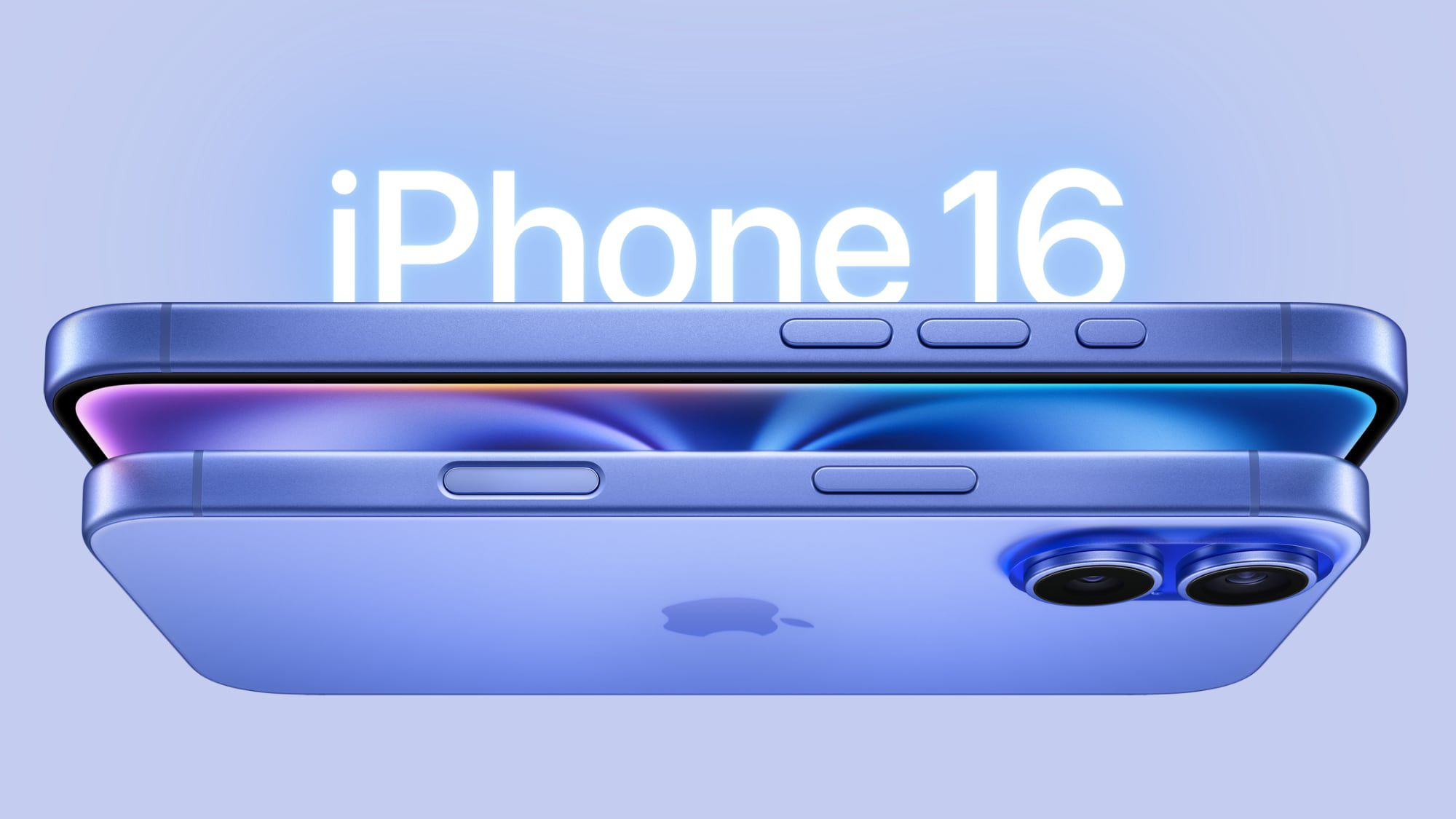
Counterpoint Research reports the iPhone 16 was the best-selling smartphone globally in 2025, with Apple and Samsung devices taking seven and three spots respectively in the top 10 and combining for 19% of global smartphone sales. Apple’s iPhone 17 series delivered 16% higher sales in its first full quarter versus its predecessor—led by the base iPhone 17 with upgrades (120Hz, 256GB)—while the lower-cost iPhone 16e ($599) and continued iPhone 16 ($699) offerings supported broader volume. Samsung’s Galaxy A16 5G was the top Android model and the Galaxy S25 Ultra saw >3x YoY growth in Japan; Counterpoint expects premium flagships to gain share in 2026 as rising memory prices pressure entry-to-mid segments.
Market structure: Apple (AAPL) and Samsung remain winners: premiumization (iPhone 17 base +120Hz/256GB) is restoring ASP power, supporting gross-margin resilience even if unit growth moderates. Memory suppliers (Micron MU, SK Hynix) are net beneficiaries as Counterpoint flags rising memory prices that disproportionately hit entry/mid tiers; mid-tier OEMs and white-box Android players are the clearest losers. Cross-asset: stronger premium demand supports AAPL equity and USD outperformance; rising memory prices lift semiconductor equities and commodity/industrial cyclicals, while higher consumer tech ASPs modestly compress discretionary credit spreads if consumer stress emerges.
Risk assessment: tail risks include regulatory actions (antitrust/repairability in EU/US), China consumption slowdown, and geopolitical shocks to supply chains (Taiwan/China) that could quickly reverse sales trends. Time horizons: immediate market moves in days-weeks to earnings/upgrade cycles; structural impact (premiumization, margin mix) plays out over quarters (2–8 quarters). Hidden dependencies: Apple’s services recurring revenue amplifies device wins; component lead times can create transient supply-driven outperformance. Key catalysts: AAPL next earnings (30–60 days), memory ASP reports (monthly), China retail data and Black Friday-like promotional windows.
Trade implications: favor concentrated, risk-managed exposure to AAPL and DRAM suppliers (MU) for 3–12 month holds; avoid or hedge mid-tier Android OEMs where memory pass-through compresses margins. Options: use defined-risk call spreads on AAPL 1–3 month around earnings and 9–12 month calls on MU to capture memory tailwind with limited downside. Sector rotation: overweight Tech Hardware & Semiconductors, underweight Consumer Electronics/mid-tier handset OEMs for next 6–12 months.
Contrarian angles: consensus underestimates cannibalization risk from Apple keeping iPhone 16 in-market and the second-order effect of larger base storage increasing component supply strain (benefitting memory suppliers short-term but risking longer-term commoditization). The market may be underpricing a scenario where premiumization plateaus if macro weakens—this would hit Apple’s upgrade cycle more than services revenue protects. Historical parallel: prior premium cycles (2017–2019) showed quick share reversion when macro turned; watch China sales and carrier subsidy reappearance as contrarian triggers.
AI-powered research, real-time alerts, and portfolio analytics for institutional investors.
Request DemoOverall Sentiment
moderately positive
Sentiment Score
0.36
Ticker Sentiment
