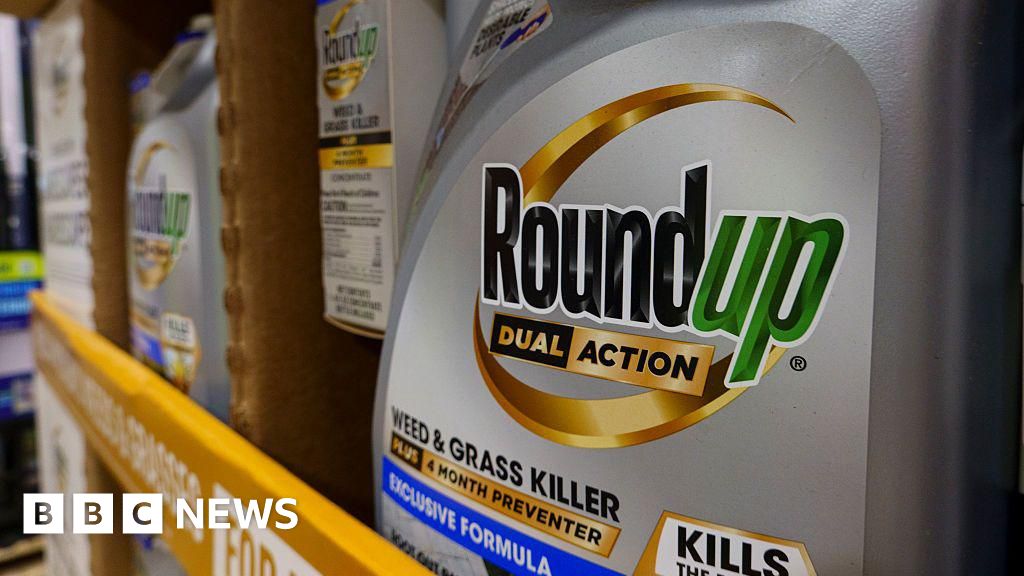
Bayer has proposed a $7.25bn settlement to resolve US claims that its Roundup weedkiller causes non-Hodgkin lymphoma, covering anyone exposed before 17 February and diagnosed within 16 years, with payments spread over 21 years (front-loaded in the first five). The deal — which needs judge approval and has backing from key plaintiffs' groups — comes after Bayer has already spent roughly $10bn resolving Roundup litigation, faces about 65,000 remaining suits, expects an additional ~$3bn for separate cases (including PFAS/’forever chemicals’ claims), and remains exposed to the outcome of a Supreme Court preemption case that could materially affect future liabilities and investor sentiment.
Market structure: A court‑approved $7.25bn deal materially reduces Roundup litigation tail risk for Bayer (BAYN / BAYZF) and should re-rate idiosyncratic equity and credit risk if judge signs within 30–90 days. Direct winners: Bayer equity holders, bondholders and reinsurers that avoid longer uncertainty; losers: plaintiffs (one‑time capped recoveries) and short sellers. Commodity and global glyphosate supply/demand are unchanged; pricing power in crop protection remains driven by crop cycles and seed/trait concentration, not this legal outcome.
Risk assessment: Tail risks include an adverse Supreme Court ruling or successful state suits that re-open liabilities—plausible low‑probability shock that could imply incremental liabilities >$10–20bn and >30% equity downside; timeline for that shock is 6–18 months. Near term (days–weeks) sensitivity centers on judicial approval and plaintiff opt‑in rates (>70% needed for credibility); medium term (6–24 months) depends on appeals, insurance recoveries and cash‑flow hit from $~10bn+ of remaining liabilities paid largely in first five years.
Trade implications: If judge approval occurs, expect equity vol to compress 30–50% and 5‑year CDS to tighten materially; actionable plays include a modest long in BAYN via 12–18m call spreads and relative‑value long BAYN vs short CTVA (Corteva) to isolate idiosyncratic derisking over 3–6 months. If approval fails or Supreme Court rules against Bayer, quickly buy 12–24m puts on BAYN or 1–2y CDS protection; size positions 0.5–2% of portfolio.
Contrarian angles: Consensus may underprice ongoing financing strain — a multi‑year 21‑year payout schedule front‑loaded in 5 years increases near‑term net debt/EBITDA and could trigger covenant/ratings moves even with settlement. Historical parallels (J&J talc, tobacco settlements) show reputational and contingent liabilities can linger despite headline deals. Monitor opt‑in rates, insurer recovery progress and net leverage crossing a 3.0x EBITDA threshold as early warning signals that the market has misread closure.
AI-powered research, real-time alerts, and portfolio analytics for institutional investors.
Request DemoOverall Sentiment
mixed
Sentiment Score
0.00
