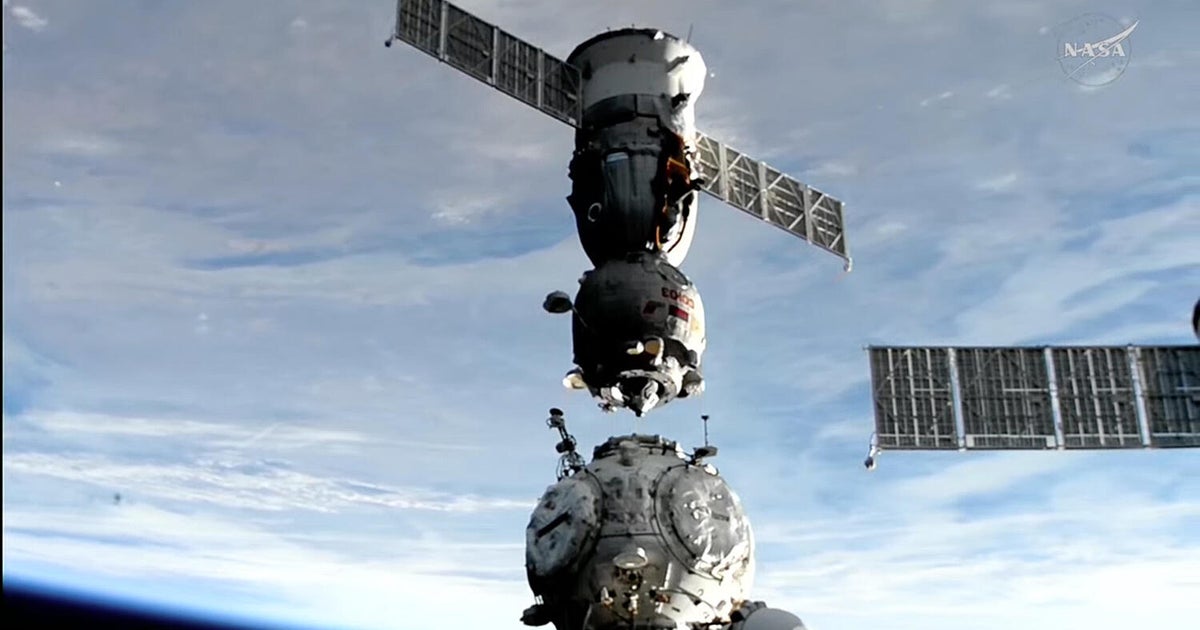
The Soyuz MS‑27/73S undocked from the International Space Station at 8:41 p.m. ET carrying commander Sergey Ryzhikov, cosmonaut Alexey Zubritsky and NASA astronaut Jonny Kim and is on track for a planned Kazakh landing after a deorbit burn scheduled for 11:09 p.m. ET and parachute touchdown around 12:04 a.m. ET, with Russian recovery teams and NASA support deployed and no anomalies reported. The three are concluding an eight‑month mission that logged about 104 million miles and 3,920 orbits—Kim focused on research in the U.S. segment while Ryzhikov and Zubritsky conducted two spacewalks—and their departure completes a routine handover that leaves Crew 11 and the Soyuz MS‑28/74S team aboard, signaling continued ISS operational continuity and international crew rotation.
A Soyuz MS-27/73S crewed by commander Sergey Ryzhikov, cosmonaut Alexey Zubritsky and NASA astronaut Jonny Kim undocked from the International Space Station at 8:41 p.m. ET and executed a planned deorbit profile with a braking burn scheduled for 11:09 p.m. ET that reduces orbital velocity from about 17,100 mph by roughly 286 mph to target a parachute-assisted touchdown on the Kazakh steppe around 12:04 a.m. ET. Recovery crews from Russia and supporting NASA personnel were deployed in frigid winter conditions to extract the crew and conduct initial medical checks; the article reports no anomalies during undocking or the planned sequence.
The trio concluded an eight-month mission that logged approximately 104 million miles over 3,920 orbits, during which Kim concentrated on U.S. segment research while Ryzhikov and Zubritsky completed two spacewalks, and their departure completes a routine handover leaving Crew 11 and Soyuz MS-28/74S personnel aboard. Jonny Kim’s high-profile background (Navy SEAL, combat veteran, Harvard Medical School graduate) is noted but the operational takeaways are continuity of ISS science and station maintenance activities.
Given the described sequence and the supplied sentiment/market-impact signals (neutral, score 0.0), this event constitutes operational continuity rather than a market-moving disruption; the cited reentry environment (reentry temperatures near 3,000°F and a jarring parachute landing) and winter recovery conditions are the primary short-term operational risks to monitor.
AI-powered research, real-time alerts, and portfolio analytics for institutional investors.
Request DemoOverall Sentiment
neutral
Sentiment Score
0.00
