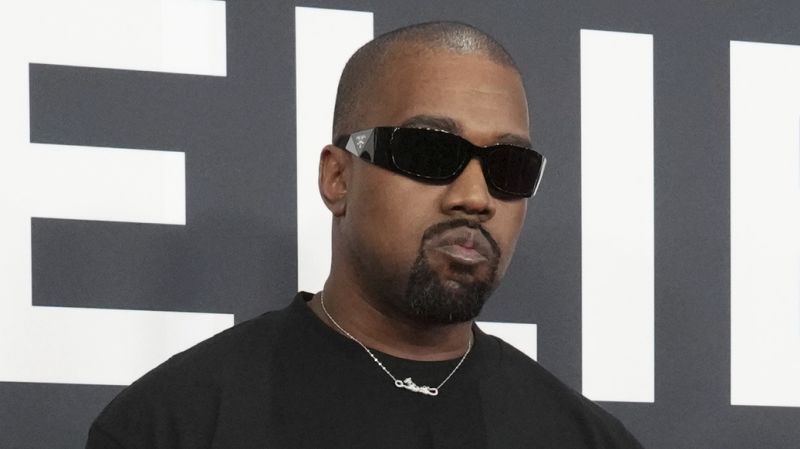
Wireless Festival (scheduled July 10-12, up to ~150,000 annual attendees) was cancelled after British officials barred headliner Kanye West from entering the UK; Festival Republic said refunds will be issued. Major sponsors Pepsi and Diageo had already withdrawn amid criticism of West's repeated antisemitic remarks, and UK Prime Minister Keir Starmer publicly supported the ban; the Campaign Against Antisemitism praised the decision.
Corporate sponsors are increasingly treating high-profile cultural activations as binary reputational exposures rather than incremental marketing channels; for global CPGs a single withdrawal decision typically costs low-single-digit millions but buys avoidance of multi-hundred-million brand impairment scenarios. That asymmetry means marketing budgets will tilt further toward low-risk, measurable activations (in-store promotions, programmatic TV/digital) and away from marquee event headline sponsorships over the next 12-24 months.
Promoters and the festival supply chain will face measurable margin compression as contract terms reprice: expect broader adoption of stronger force-majeure/behavior clauses, artist vetting indemnities, higher security deposits, and upward pressure on event insurance premia. Operational cash flow volatility will increase for mid-size promoters who must refund six-figure ticket blocks on short notice, raising counterparty credit and working-capital needs that could accelerate consolidation among service providers in the next 6-18 months.
Regulatory and political precedent is the key tail risk — governments asserting venue-entry and public-order authority creates non-market cancellation channels that force re-writes of gig contracts and insurance products; this is a multi-year structural shift that raises legal and compliance costs across live-entertainment and venue-facing hospitality. Reversal scenarios include standardized industry remediation protocols (independent adjudication panels, escrowed sponsorship funds) or insurer innovations that reinsure reputational risk, each of which would materially reduce near-term liquidity stress for promoters.
From an investor lens, the market should differentiate durable consumer staples with diversified media spend from alcohol brands with higher on-trade exposure and event-linked activation pipelines. Near-term price moves are likely driven by headline flows and ESG-led re-ratings rather than fundamentals; watch sponsorship reallocation announcements and insurer court rulings as the 30–90 day catalysts that will re-price relative winners and losers.
AI-powered research, real-time alerts, and portfolio analytics for institutional investors.
Request DemoOverall Sentiment
mildly negative
Sentiment Score
-0.35
Ticker Sentiment
