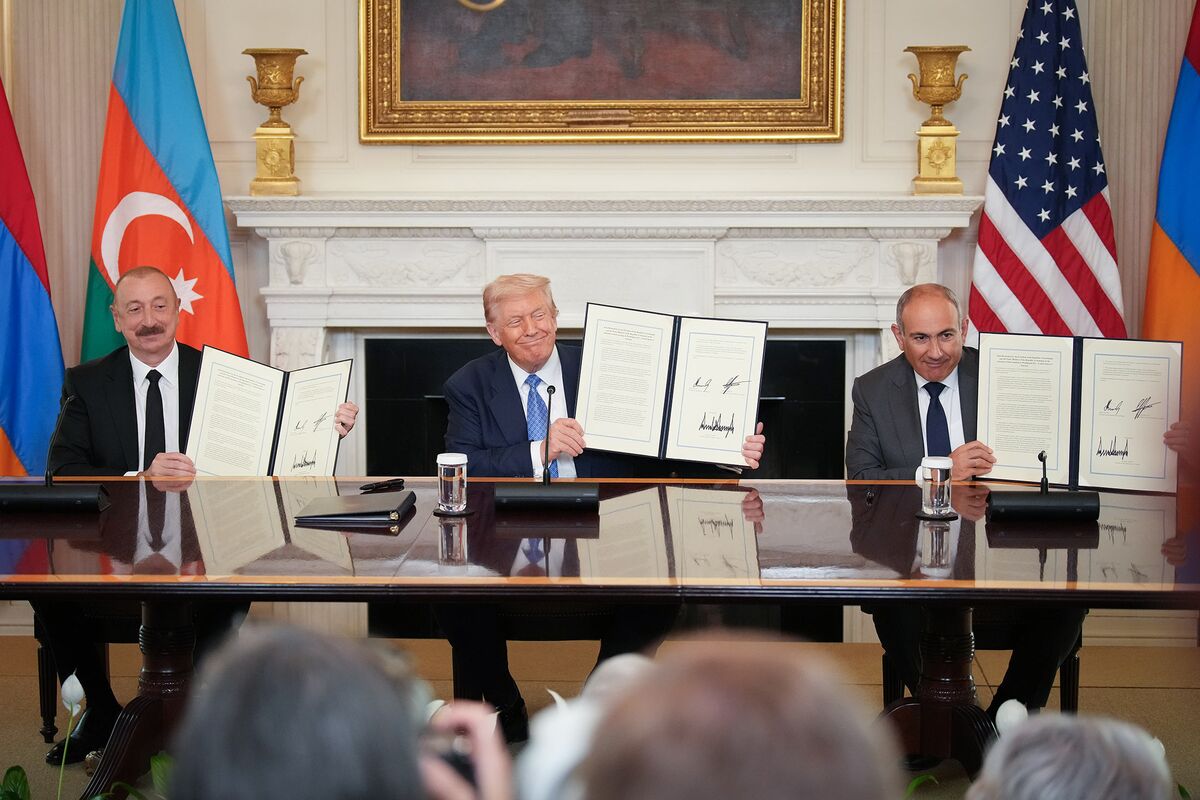
Iran has formally rejected a proposed corridor near its border, linking Azerbaijan to its Naxcivan exclave, which is a key part of a US-brokered Azerbaijan-Armenia peace deal. A top aide to Supreme Leader Ayatollah Ali Khamenei, Ali Akbar Velayati, conveyed Iran's opposition, asserting the South Caucasus is not a 'no-man's land' and criticizing the US President's role. This rejection introduces a significant geopolitical obstacle to regional stability and the peace initiative, underscoring Iran's assertion of influence in the strategically vital South Caucasus.
Iran has formally stated its opposition to the proposed transport corridor connecting Azerbaijan to its Naxcivan exclave, a foundational component of the US-brokered peace deal between Azerbaijan and Armenia. The rejection, articulated by Ali Akbar Velayati, a senior aide to the Supreme Leader, introduces a significant geopolitical impediment to the diplomatic process. By characterizing the US President's role as that of a 'real estate broker' and asserting the region is not 'no-man's land', Iran is signaling its intent to maintain influence in the South Caucasus and directly challenging the terms of the US-led initiative. This development injects considerable uncertainty into the regional stability outlook, as indicated by the moderately negative sentiment signal. While the direct market impact is assessed as low-to-moderate, the move heightens risk for any future projects or investments contingent on the successful implementation of this specific peace-deal component.
AI-powered research, real-time alerts, and portfolio analytics for institutional investors.
Request DemoOverall Sentiment
moderately negative
Sentiment Score
-0.50
