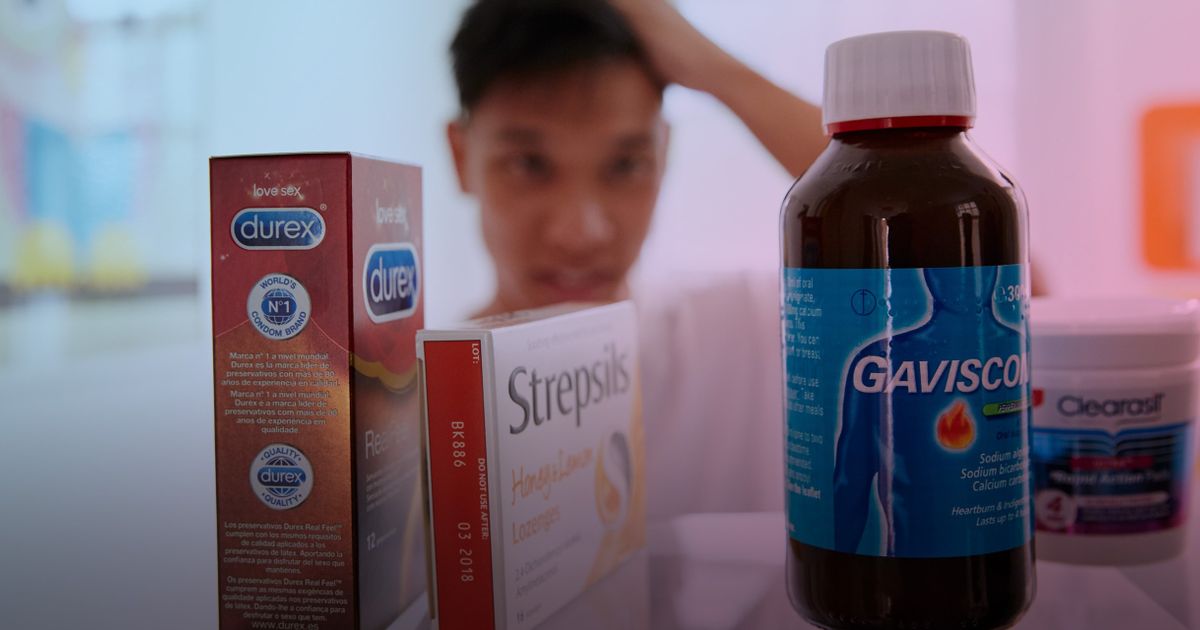
RBC cut Reckitt to 'sector perform' from 'outperform' and trimmed its price target to £62 after incorporating the disposal of the Essential Home business, a forthcoming £1.6bn special dividend and a share consolidation, also assuming a 50–60bp hit to 2026 margins from stranded costs and retaining a £2bn necrotising enterocolitis settlement assumption linked to Mead Johnson. By contrast Deutsche Bank reiterated a 'buy' with a sum‑of‑the‑parts £70 target, citing defensive H1 2026 earnings and optionality if litigation progress enables value unlocks; shares were down 0.6% at 6,156p. The story centers on near‑term margin and litigation uncertainty versus longer‑term strategic optionality and capital return mechanics, making it a material but not market‑moving development for investors.
Market structure: The immediate winners are holders of downstream defensive OTC/health brands and buyers of the Essential Home asset (acquirer can extract synergies); potential losers are Reckitt (RKT) equity holders if litigation or stranded-costs materialise. Pricing power in core categories remains defensive into H1 2026, limiting downside in volumes but leaving margins exposed to ~50–60bps of stranded costs RBC flags; credit spreads and equity implied volatility should widen on negative litigation news. Cross-asset: expect RKT credit spreads to move +50–150bp in a severe outcome, GBP modestly weaker on large UK corporate headline risk, and option IV to reprice front-month expiries around the Feb bellwether.
Risk assessment: Tail risks include a >£2bn US settlement (RBC base) or an unexpected adverse bellwether verdict in Feb that forces immediate cash outflows and covenant stress; low-probability upside is a sub-£500m settlement unlocking strategic optionality and a re-rate to Deutsche’s £70 target. Time horizons: immediate (days) — IV and flows around analyst notes; short-term (weeks/months) — Feb bellwether, special dividend timing and consolidation; long-term (quarters) — margin recovery from innovation and M&A optionality. Hidden deps: stranded-cost magnitude tied to disposal timing and integration, and share consolidation may concentrate float and amplify moves.
Trade implications: Direct play — modest tactical long RKT (2–3% portfolio) sized for event risk, hedged into Feb with puts; preferred options: buy Mar 2026 1–2 month puts 5–8% OTM as tail insurance and buy Jun 2026 60/75 call spread to capture upside on a favourable litigation outcome (caps cost). Pair trade — long RKT vs short Unilever (ULVR.L) 1:1 for capture of relative OTC resilience if RKT resolves litigation cheaply. Sector: trim defensive staples exposure where earnings are lower-quality vs RKT’s OTC optionality.
Contrarian angles: Consensus may overprice litigation severity and underprice mechanics of a £1.6bn special dividend + share consolidation — a meaningful liquidity return that could lift per-share metrics by mid-2026 if not fully taxed by settlement. Reaction is not clearly overdone: downside beyond £2bn settlement is under-discussed (credit/covenant shock). Historical parallel: litigation-laden healthcare spinoffs (e.g., prior pharma settlements) show sharp re-rates on bellwether wins; if Feb bellwether tilts favourable, expect a >10% rally within 1–4 weeks as conviction trades re-enter.
AI-powered research, real-time alerts, and portfolio analytics for institutional investors.
Request DemoOverall Sentiment
mixed
Sentiment Score
0.00
Ticker Sentiment
