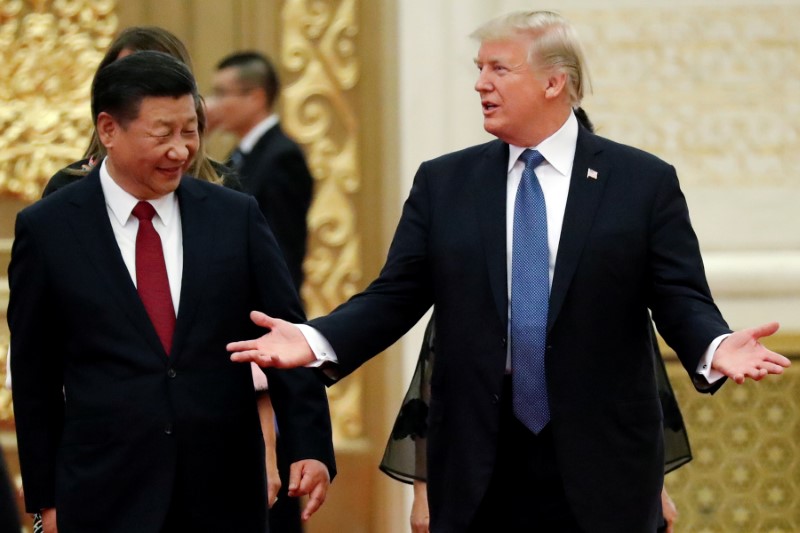
U.S.-Iran talks extended into a second day as Trump warned China would face "big problems" if it ships arms to Iran and highlighted ongoing Strait of Hormuz mine-sweeping operations. The article underscores elevated geopolitical risk around Gulf shipping routes and regional conflict spillover, with negotiations still unresolved and additional U.S.-Iran, Israel-Lebanon diplomatic tracks in motion. Market implication is broadly risk-off, with potential implications for energy, shipping, and defense-related assets.
The immediate market read is not about diplomacy; it is about pricing a fatter distribution of outcomes around shipping disruption. Even a modest increase in perceived Strait risk tends to lift implied volatility first in energy and defense-related names, while pressuring rate-sensitive cyclicals through higher headline inflation expectations. The second-order effect is that any sustained premium in crude and freight feeds into “hard” inflation prints with a lag of several weeks, which matters more for equities than the headline geopolitical noise.
The biggest winner is not just upstream energy, but any asset tied to maritime chokepoint resilience: mine-clearing, naval logistics, satellite intelligence, and alternative routing infrastructure. That said, the market usually overprices the first headline and underprices de-escalation: once there is evidence that traffic remains broadly flowing, the risk premium can compress quickly, often within days rather than months. The more durable trade is in suppliers with recurring defense spend or energy service exposure, not in one-off event-driven oil spikes.
For broader equities, this is a negative for high-multiple growth if crude keeps grinding higher, but the impact on semiconductor/AI names is more subtle: power and logistics costs matter less than duration risk from rising real yields. If tension eases, the unwind can be violent because positioning tends to be crowded into “war hedge” trades with poor carry. The contrarian read is that the market may be overestimating the probability of a sustained supply shock and underestimating diplomatic capacity to reopen room for negotiation before physical flows are meaningfully impaired.
AI-powered research, real-time alerts, and portfolio analytics for institutional investors.
Overall Sentiment
mildly negative
Sentiment Score
-0.30
Ticker Sentiment
