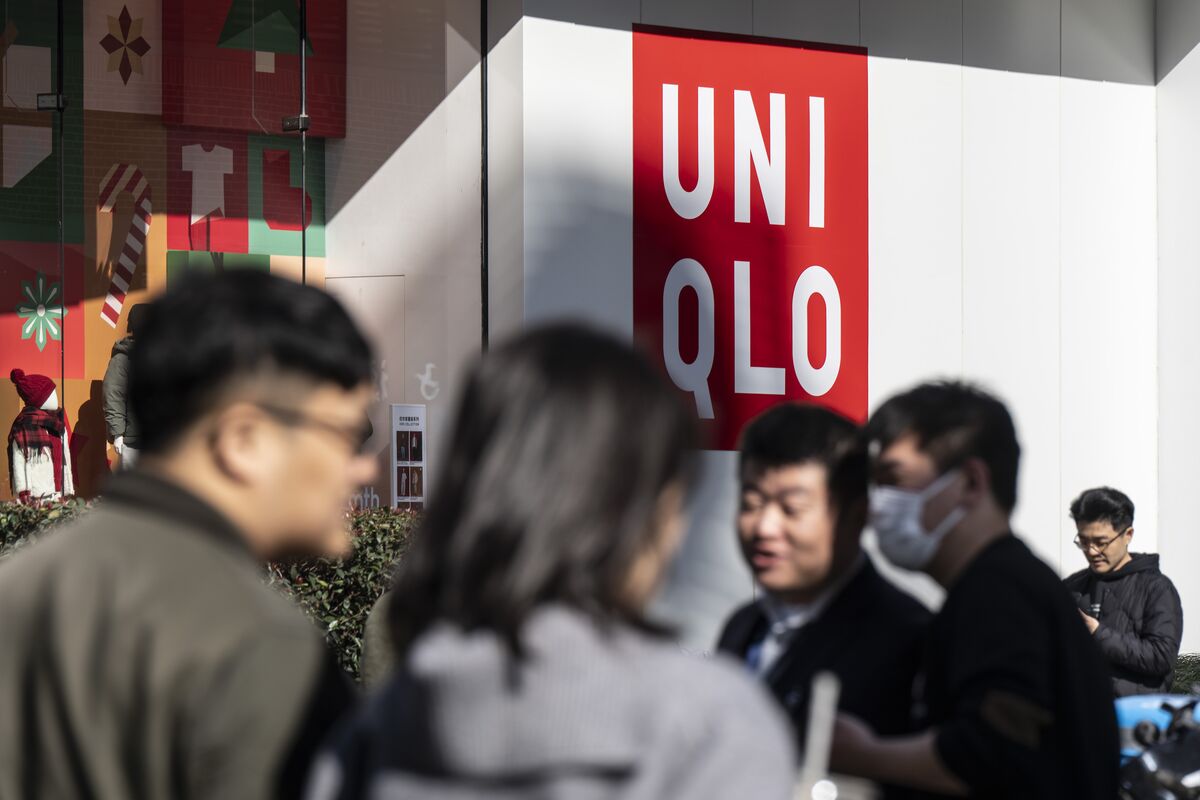
Fast Retailing Co., owner of Uniqlo, reported third-quarter operating profit of ¥146.7 billion ($1 billion) for the three months ended May, missing the ¥150 billion average analyst estimate. This earnings shortfall was primarily driven by weaker sales performance in China, underscoring the impact of regional market conditions on the Japanese apparel giant's profitability.
Fast Retailing Co. reported a third-quarter earnings miss, with operating profit of ¥146.7 billion falling short of the ¥150 billion average analyst estimate. This shortfall is directly attributed to weakened sales performance in the Chinese market, highlighting the company's significant exposure and vulnerability to fluctuations in Chinese consumer demand. The reported net income of ¥105.5 billion further quantifies the period's performance. The miss, though marginal in absolute terms, is significant as it signals potential headwinds in a critical growth engine for the Uniqlo brand, justifying the moderately negative market sentiment associated with the announcement.
AI-powered research, real-time alerts, and portfolio analytics for institutional investors.
Request DemoOverall Sentiment
moderately negative
Sentiment Score
-0.50
