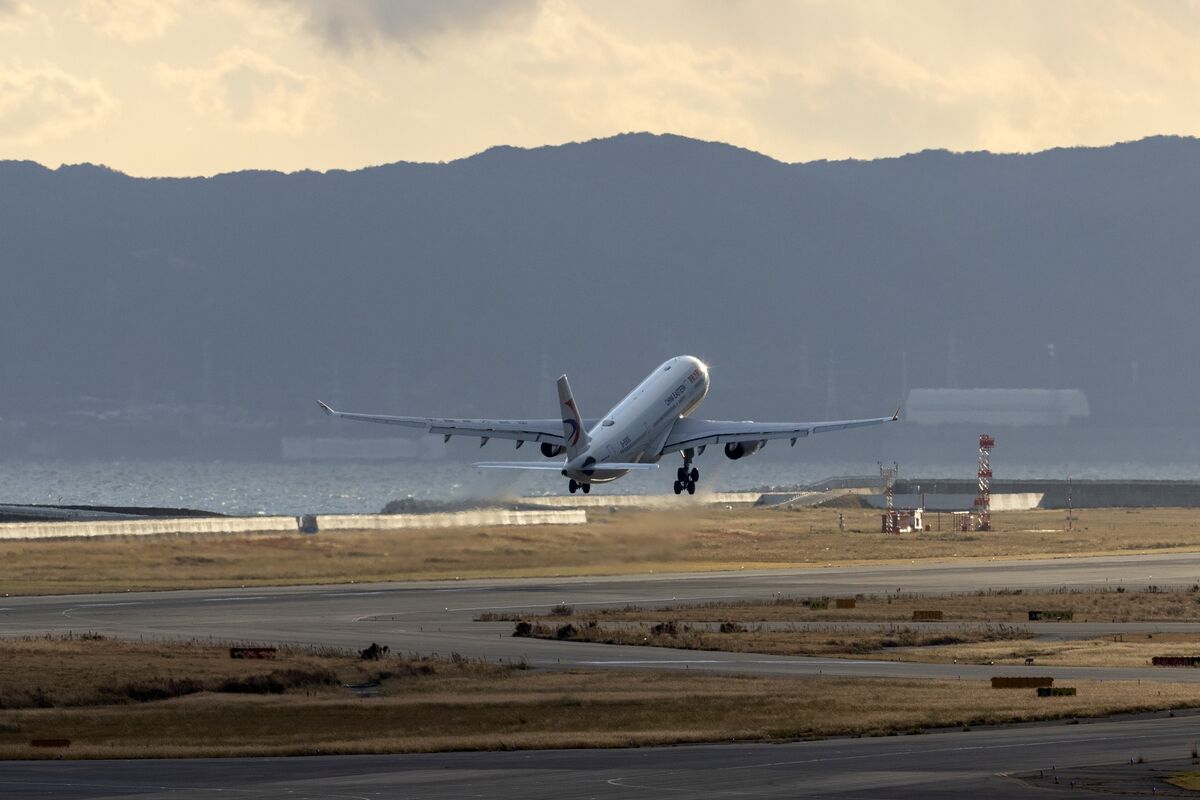
Roughly 40% of scheduled flights from China to Japan in December — now totaling over 1,900 cancellations — have been scrapped, according to China Central Television citing online platforms. Sapporo and Osaka, cities heavily reliant on tourism, saw the largest proportional cuts as the reductions reflect fallout from a deepening dispute between China and Japan. The disruption is likely to pressure airline and airport revenues, dent tourism receipts for exposed regional markets, and create near-term downside risk for travel and leisure equities tied to Japan-China passenger flows.
Market structure: The 40% cut (≈1,900+ flights) is a concentrated shock to Japan inbound capacity — immediate losers are Japan-focused carriers, airport retail and regional hotels (Sapporo/Osaka) while flexible carriers and nearby hubs (Korea, SEA) that can capture diverted flows are potential beneficiaries. Pricing power shifts to carriers that can redeploy widebody/slot capacity quickly; expect short-term fare volatility (+10-30% on remaining seat inventory) on rerouted/limited services.
Risk assessment: Near-term (days–weeks) downside is ticket refund/rebooking costs and lower ancillary revenue; short-term (1–3 months) revenue loss through Lunar New Year is material — a 40% route cut during a peak month could reduce route-level revenue 20–35%. Tail risks include diplomatic escalation or reciprocal airspace restrictions that could extend cuts to 60–80% for quarters, and hidden dependencies include travel insurance claims, visa policy changes and corporate travel freezes.
Trade implications: Tactical shorts on Japan leisure exposure and buys on global/alternative routing beneficiaries make sense: short JP airline/hospitality names; long Korean/SEA carriers, global OTAs (booking platforms) and FX positions favoring weaker JPY. Use options to limit downside (3-month put spreads on Japan airline names, short-dated USD/JPY call options) and size initial positions small (1–2% book) with tight stops.
Contrarian angles: Consensus underestimates substitution: many Chinese tourists will divert to Korea/Thailand or shift dates rather than stop travel, creating winners outside Japan. Reaction could be overdone if diplomatic talks resolve before Lunar New Year — shorts may be painful if airlines receive state support or rapid resumption occurs, so prefer option structures or paired hedges rather than naked shorts.
AI-powered research, real-time alerts, and portfolio analytics for institutional investors.
Request DemoOverall Sentiment
moderately negative
Sentiment Score
-0.40
