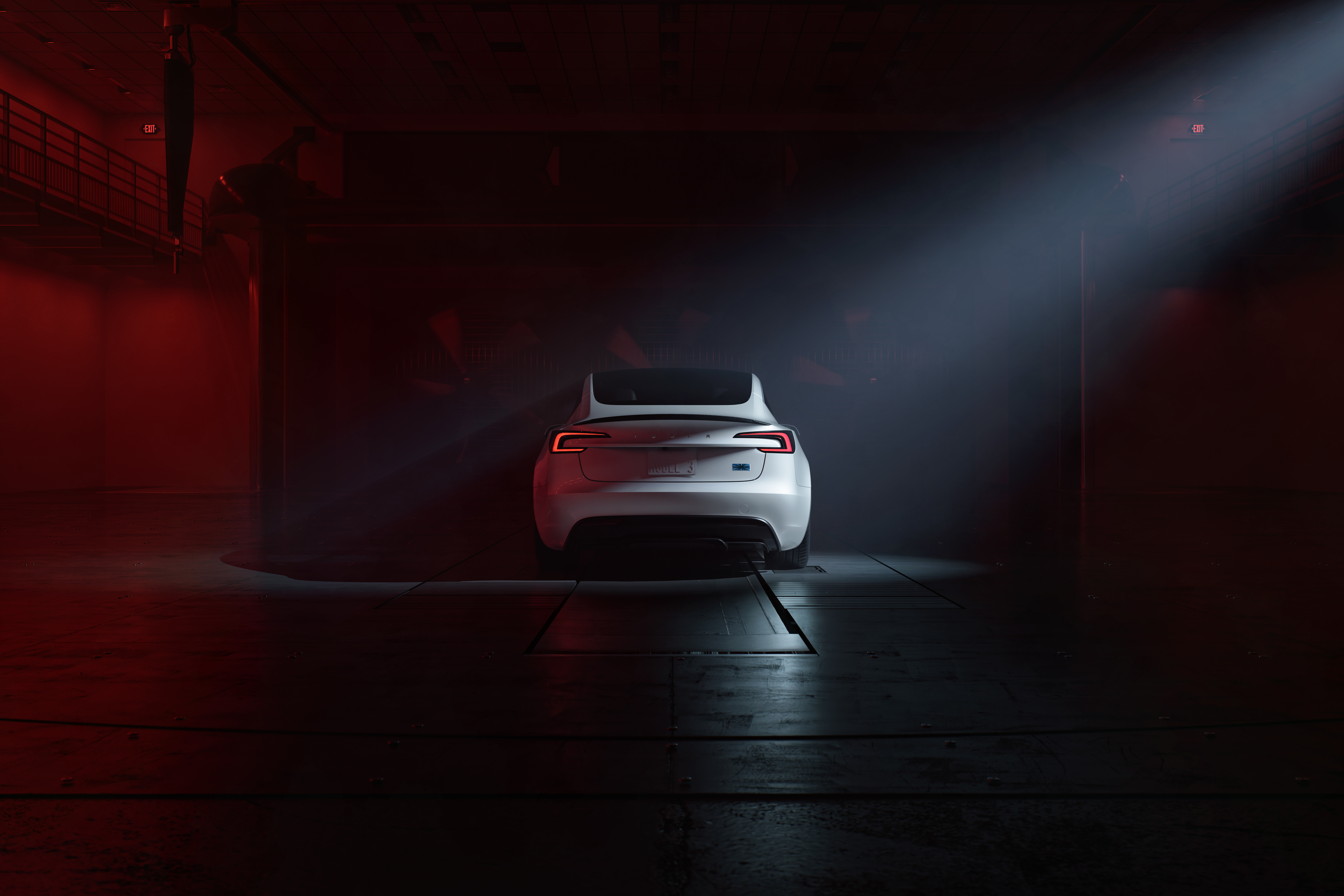
Tesla has introduced new "Standard" base models for its Model 3 and Model Y, implementing significant cost-cutting measures that reduce vehicle prices by approximately $5,000 through feature removals such as a 10% smaller battery and less powerful motor, leading to starting prices around $38,630-$39,990. This move, aimed at attracting new buyers, has drawn critical initial reactions from analysts who question the value proposition and performance, suggesting it may cannibalize sales or push customers to upgrade rather than significantly boosting demand. Investors are now evaluating whether these changes will improve profit margins and reverse Tesla's recent 6% global delivery decline, or if they signify a broader strategic shift for the company.
Tesla (TSLA) has introduced new "Standard" base models for its Model 3 and Model Y, implementing significant cost-cutting measures that reduce vehicle prices by approximately $5,000. This strategy, which includes a 10% smaller battery, less powerful motor, and simplified components, brings the Model Y Standard to $39,990 and the Model 3 Standard to $38,630 (with shipping). The move aims to attract new buyers by offering lower entry prices, despite an estimated $5,000 reduction in vehicle value.
Initial market and analyst reactions have been "moderately negative," with a sentiment score of -0.5, raising concerns about the value proposition. Edmunds noted a "languid response" in the new Model Y, comparing it to a Honda CR-V, while AutoPacific's chief analyst described the changes as "penny-pinching." This suggests a potential dilution of Tesla's luxury brand image and performance expectations among consumers and critics.
The strategic intent behind these alterations is to expand the buyer pool, but analysts question if it will primarily drive upgrades rather than new customer acquisition. This initiative comes amidst a challenging period for Tesla, which has seen global deliveries decline by approximately 6% over the first three quarters of 2025 compared to the prior year. Investors are now evaluating whether these cost reductions will genuinely boost sales and profit margins or merely cannibalize existing demand.
This move underscores Tesla's ongoing "soul-searching transition phase" as it evolves beyond a pure vehicle manufacturer towards robotaxis, AI, and robotics. While the company's long-term potential in these emerging sectors remains, the immediate impact on its core automotive business and profitability is a key concern for investors. The upcoming Q3 earnings results on October 22 will be critical for further insights.
AI-powered research, real-time alerts, and portfolio analytics for institutional investors.
Request DemoOverall Sentiment
moderately negative
Sentiment Score
-0.50
Ticker Sentiment
