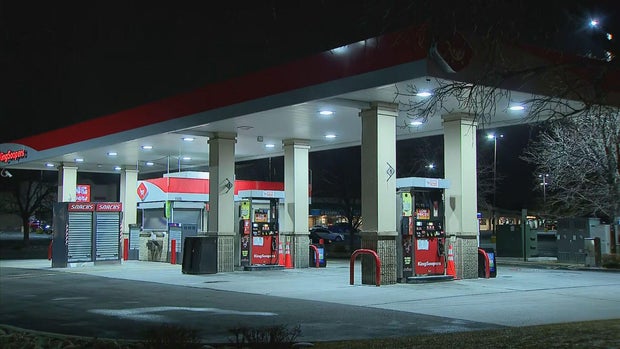
King Soopers confirmed pumps at nearly 20 of its Denver‑area gas stations were dispensing contaminated fuel delivered by a third‑party carrier, with customers reporting diesel contamination; affected lines were shut and remediation is ongoing. The company published a list of impacted locations across Aurora, Broomfield, Littleton, Boulder, Parker, Castle Rock and other nearby cities and said it will work directly with impacted customers. Operational disruption and potential customer reimbursements or claims represent localized reputational and financial risk, but the incident is unlikely to have material market or sector‑wide impact.
Market structure: This is a localized operational hit to Kroger’s King Soopers brand (KR) and third‑party fuel carriers with direct winners being independent/competitor forecourts in Denver that can capture ~100% of displaced volume short term. Company‑level impact is immaterial at scale — ~20 pumps likely <0.1% of national fuel revenue for a large grocer — but local pricing power and foot‑traffic patterns can shift by 1–3% in affected zip codes over 1–4 weeks.
Risk assessment: Immediate risk (days) is lost sales and remediation costs; short term (30–90 days) is customer claims and repair cost reimbursements; tail risks (low prob., high impact) include a class action or supplier liability ruling that could force Kroger to absorb carrier losses or pay >$5–20m, which would be ~0.5–2% of quarterly profits. Hidden dependency: contractual indemnities and insurer coverage determine who ultimately bears cost; watch filings/announcements from Kroger, the carrier, and insurers over 30–90 days as catalysts.
Trade implications: Prefer small, asymmetric plays: hedge Kroger exposure with short‑dated puts while expressing constructive exposure to auto parts/repair names (ORLY, AAP) that see a 1–4 week revenue bump; commodities (RBOB/diesel) unaffected materially — avoid energy shorts/longs. Use 1–3 month option structures (buy puts on KR 3%–7% OTM, buy ORLY/AAP 3‑month call spreads 10% OTM) to keep capital efficient and limit theta risk.
Contrarian angles: Consensus will treat this as PR noise — that underestimates litigation/adverse adjudication risk if a cluster of high‑damage claims emerges; conversely remediation could be completed in <2 weeks and overreaction would create a buying opportunity in KR. Historical parallels (localized contamination events) show elevated repair demand for 2–12 weeks but limited equity impact beyond the region unless regulatory action expands liability.
AI-powered research, real-time alerts, and portfolio analytics for institutional investors.
Request DemoOverall Sentiment
mildly negative
Sentiment Score
-0.25
