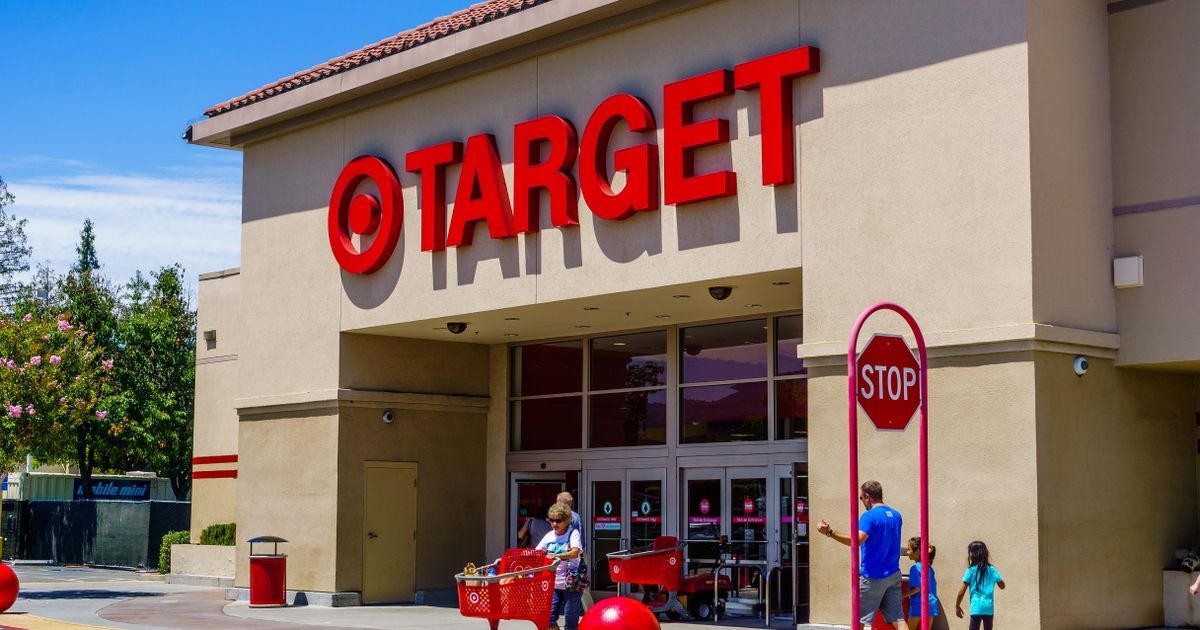
Target appointed Cara Sylvester as chief merchandising officer and Lisa Roath as chief operating officer, announced several executive departures (including the upcoming retirement of apparel CMO Jill Sando and the departure of Rick Gomez), and is externally searching for a chief guest experience and marketing officer. Jefferies called the changes a “constructive leadership reset” under CEO Michael Fiddelke that should improve execution and strategic momentum; Target reaffirmed Q4 sales are expected to decline in the low single-digit percentage range and maintained fiscal-year adjusted EPS guidance of $7 to $8, with shares trading at $113 versus Jefferies’ $115 price target.
Market structure: The C-suite refresh at TGT should directly benefit Target (TGT) and its private-label/brand partners by improving assortment and reducing markdowns; specialty apparel peers and low-price commoditized producers (HBI) are modestly exposed to share loss. If merchandising authority and supply-chain/guest-experience execution improve, expect gross-margin recovery of ~50–150 bps and low- to mid-single-digit share gains in apparel over 12 months, tightening Target’s pricing power vs discounters. Cross-asset: anticipate a 5–15 bp tightening in TGT credit spreads and a 3–8% drop in near-term implied equity vol if execution signals arrive within 3 months; negligible commodity/FX impact.
Risk assessment: Tail risks include failed integration of new leaders, delayed external CMO hire (90–180 days), or a macro consumer shock that reverses benefits—each could erase the anticipated 50–150 bps margin improvement. Time horizons: immediate (days) = sentiment bump; short-term (0–3 months) = binary on external hire and Q1 sales vs guidance (watch for sales decline >3% as a negative trigger); long-term (3–12 months) = realization of merchandising-led EPS upside of roughly 5–10% (~$0.35–0.80), if executed. Hidden dependencies: vendor cooperation, inventory turns, and holiday seasonal cadence; catalysts = Q1 print, CMO appointment, and Spring assortment sell-throughs.
Trade implications: Direct play = establish a tactical 2–3% long TGT (size of equity portfolio) within 2 weeks, target $130 (≈+15%), stop-loss $100; add on confirmation after a better-than-guidance Q1 print. Options = buy Jun-2026 120/140 call spread (pay small debit, 1:3 risk-reward) sized to 0.5–1% portfolio risk to leverage upside while capping downside. Pair trade = long TGT (2%) vs short HBI (1%) expecting relative outperformance over 6–12 months as Target leans into style.
Contrarian angles: Consensus assumes a smooth uplift; that is underdone—organizational changes often produce 3–6 month execution drag and one-time restructuring costs that can compress near-term margins by 50–100 bps. Historical parallels (retail C-suite refreshes) show 6–12 month realization windows; if external marketing hire stalls, stock may revert to pre-announcement levels (<$105). Manage with staged sizing and option hedges rather than full conviction buys.
AI-powered research, real-time alerts, and portfolio analytics for institutional investors.
Request DemoOverall Sentiment
mildly positive
Sentiment Score
0.25
Ticker Sentiment
