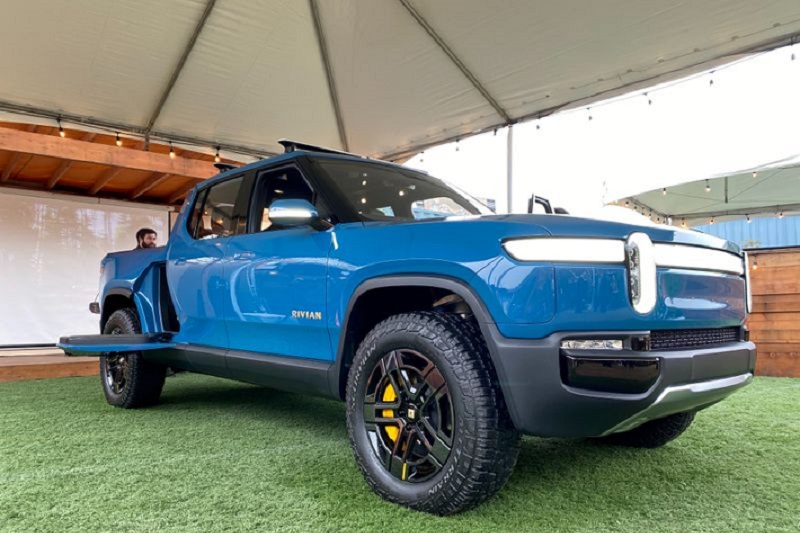
Rivian produced 10,236 and delivered 10,365 vehicles in Q1 (deliveries ~4% below consensus), posted a low gross profit margin of 2.67%, and reaffirmed 2026 delivery guidance of 62,000–67,000 vehicles. The company secured a $1.0B investment from Volkswagen ($750M equity + $250M equity or convertible) and announced an Uber partnership to deploy up to 50,000 autonomous R2 robotaxis (Uber initially buying 10,000), driving mixed analyst reactions (Baird keeps Outperform $23; DA Davidson upgraded to Neutral; Morgan Stanley remains Underweight with $12 PT).
The combination of a strategic OEM capital infusion and a large anchor customer for autonomous fleets materially changes the optionality profile: the firm is shifting from a pure retail EV OEM to a hybrid hardware + fleet-services operator. That evolution improves long‑term TAM and recurring revenue potential but simultaneously lengthens the path to sustainable margins because fleet operations compress near‑term gross margin unless utilization and software monetization scale quickly.
Second‑order winners include sensor, compute and autonomous-stack suppliers who will see concentrated demand if production for commercial robotaxi programs accelerates; conversely, commodity battery and chassis suppliers face margin pressure as the OEM pushes to extract cost reductions via VW-scale procurement. The strategic investor relationship also raises the probability of component sharing or contract manufacturing tie‑ins that could accelerate unit cost declines — and impair independent pricing power for downstream suppliers.
Key risks cluster around execution and policy: an imperfect R2 rollout, safety incidents, or slower-than-expected regulatory approvals can collapse the valuation premium embedded for autonomous optionality within a few quarters. Market sentiment is likely to reprice rapidly around the next concrete operational milestones (software validation, fleet utilization metrics, and supplier throughput), so catalyst timing matters as much as direction.
Given the stretched margin profile, the clearest pathway to upside is proving repeatable cost declines or high‑margin software/marketplace revenue from robotaxi operations. Absent those, valuation reversion is a meaningful tail risk — making a time‑staggered, event‑driven exposure (protecting near term while keeping multi‑year upside) the prudent approach.
AI-powered research, real-time alerts, and portfolio analytics for institutional investors.
Request DemoOverall Sentiment
mildly positive
Sentiment Score
0.30
Ticker Sentiment
