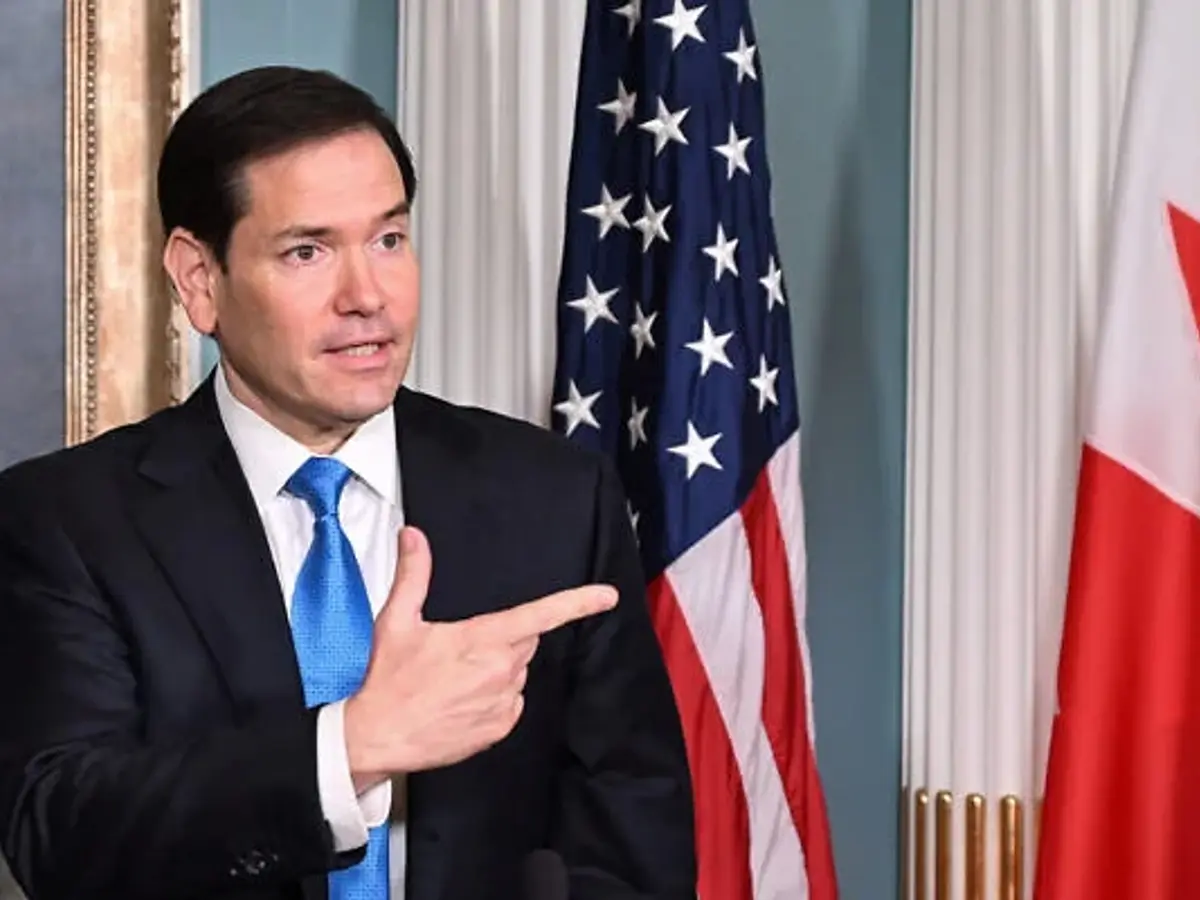
The WHO says the Ebola outbreak in the Democratic Republic of Congo has killed an estimated 131 people, with Rubio saying the agency was "a little late" in identifying the spread. The U.S. has committed roughly $13 million and is aiming to establish about 50 treatment clinics, but access is complicated by rural terrain and conflict conditions. The article also underscores strained U.S.-WHO relations after Trump's withdrawal from the agency.
This is a modestly negative read for the broad risk complex, but the tradeable impact is likely to show up first in country risk, aid/logistics vendors, and select healthcare supply chains rather than in global markets. The larger signal is political: Washington is treating global health as a lower-priority foreign policy channel, which raises execution risk for any outbreak response and increases the probability of repeated headline shocks over the next 1-3 months. In a fragile, conflict-affected setting, every week of delay tends to increase the odds that the market moves from a contained humanitarian story to a regional mobility/commodity disruption narrative.
The second-order winner is not the WHO but private and quasi-private logistics, security, and cold-chain operators that can monetize emergency deployment, especially firms with Africa field infrastructure and inventory flexibility. Health-adjacent names with exposure to vaccines, diagnostics, and outbreak surveillance should see a modest bid on duration of response efforts, but the real asymmetry is in suppliers of rapid diagnostics, PPE, and mobile treatment infrastructure that can scale without requiring perfect local security. Over a 3-6 month horizon, any evidence that the outbreak is harder to contain could also create a short-lived tailwind for select large-cap vaccine platforms as optionality trades back into the tape.
Contrarian angle: the market may be overpricing the strategic significance of the U.S.-WHO rift for public equities. The budget number is too small to matter for broad EM or U.S. macro assets, and unless the outbreak broadens materially, the equity impact stays idiosyncratic. The more important risk is not direct healthcare demand, but a deterioration in investor perception of governance capacity in frontier Africa, which can widen sovereign spreads and delay capital formation for months if the situation remains unresolved.
AI-powered research, real-time alerts, and portfolio analytics for institutional investors.
Request DemoOverall Sentiment
moderately negative
Sentiment Score
-0.35
