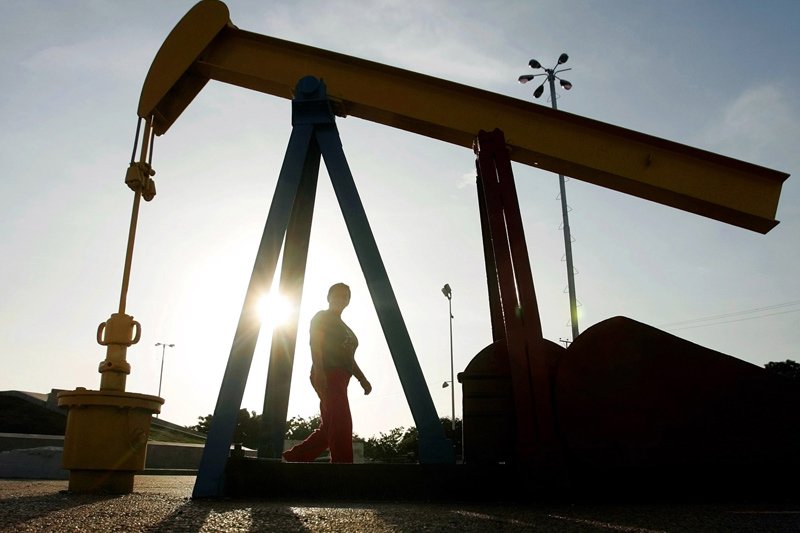
BMO raised Halliburton's price target to $42 from $39 (maintaining Market Perform) and Evercore upgraded Halliburton to Outperform with a $42 PT (from $36); Helmerich & Payne was also upgraded to Outperform with a $43 PT (from $37). Halliburton trades at $38.58 (near its reported 52-week high) after a 56% six‑month gain; BMO nudged 2027 EPS to $2.74 from $2.69 and sees upside from an improved North American spending outlook (potentially higher year‑over‑year versus a prior mid‑single‑digit down base case). Escalating Middle East conflict and Strait of Hormuz disruptions have pushed crude prices up, creating sector tailwinds for U.S. oilfield services and increasing the likelihood of further positive revisions for companies exposed to U.S. onshore activity.
Energy-services exposed to U.S. onshore activity stand to capture outsized operating leverage if North American rig counts and service intensity reaccelerate; automation adoption accelerates realized margin expansion by compressing non-productive time and reducing per‑well labor hours, creating a 12–24 month pathway to higher free cash flow even without a sustained multi‑year oil shock. Supply-chain frictions (longer lead times for bottom‑hole assemblies, tubulars and electronics) create pricing stickiness on the upside: when utilization climbs, dayrates and rental pricing can move faster than incremental equipment build-out, producing 200–500bp EBITDA upside for service operators over a single cycle turn.
Near term (days–weeks) the primary driver is geopolitically driven oil volatility that boosts utilization and dayrate conversations; medium term (3–12 months) the key drivers are operator capex cadence, rig fleet rehiring/labor availability and contract re-pricing; long term (12–36 months) automation and digital integration determine margin durability versus cyclicality. Tail risks that would reverse the setup include a rapid de-escalation or a coordinated SPR release that forces WTI down 15–20% within 30–90 days, or a macro slowdown that prompts operators to cut year‑ahead budgets — either can unwind the service pricing premium quickly due to the cyclical nature of capex timing.
Second‑order effects: banks and equipment lessors face credit concentration risk if a multi‑quarter capex pullback occurs, while niche suppliers of automation electronics and sensors will see order visibility improve materially (benefitting a handful of publicly traded suppliers and private contractors), tightening supplier bargaining power and margin for mid‑cycle entrants.
AI-powered research, real-time alerts, and portfolio analytics for institutional investors.
Request DemoOverall Sentiment
strongly positive
Sentiment Score
0.55
Ticker Sentiment
