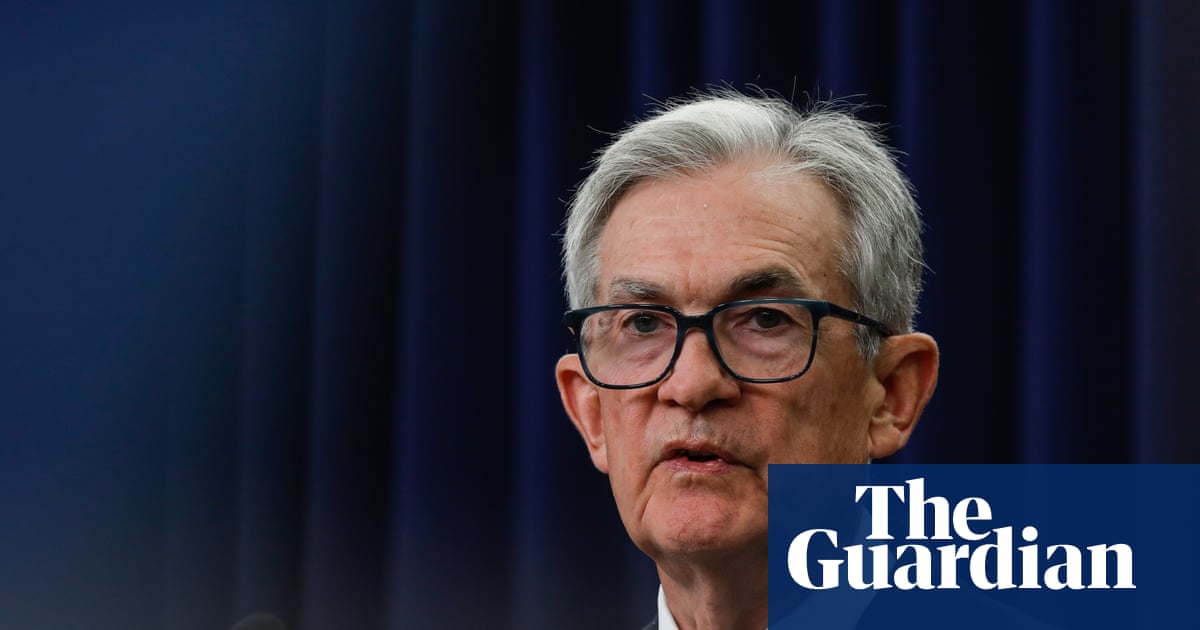
Federal Reserve Chair Jerome Powell strongly defended the central bank's independence against political pressure, dismissing accusations of political motivation in monetary policy decisions as "cheap shots" amidst ongoing criticism from the current administration. Powell reiterated a challenging economic outlook with upside inflation risks and downside employment risks, following the Fed's recent rate cut aimed at stabilizing the labor market. This stance, alongside internal dissent from Governor Stephen Miran advocating for deeper cuts and downplaying tariff impacts, highlights persistent political pressure on the Fed and potential divisions regarding future monetary policy direction.
The Federal Reserve's independence is facing a significant challenge from the executive branch, creating a climate of heightened policy uncertainty. Fed Chair Jerome Powell has forcefully defended the central bank's apolitical, data-driven approach, dismissing external criticisms as "cheap shots." However, this defense comes amid clear internal division, evidenced by Governor Stephen Miran's public dissent advocating for a deeper rate cut than the one recently implemented. The policy dilemma is acute, as Powell acknowledges a "challenging situation" with concurrent upside risks to inflation, exacerbated by tariffs, and downside risks to a "wobbling labor market." This conflict between managing inflation and supporting employment, coupled with the starkly different views on the board, complicates the outlook for future monetary policy and suggests that the Fed's reaction function may become less predictable under sustained political pressure.
AI-powered research, real-time alerts, and portfolio analytics for institutional investors.
Overall Sentiment
strongly negative
Sentiment Score
-0.70
