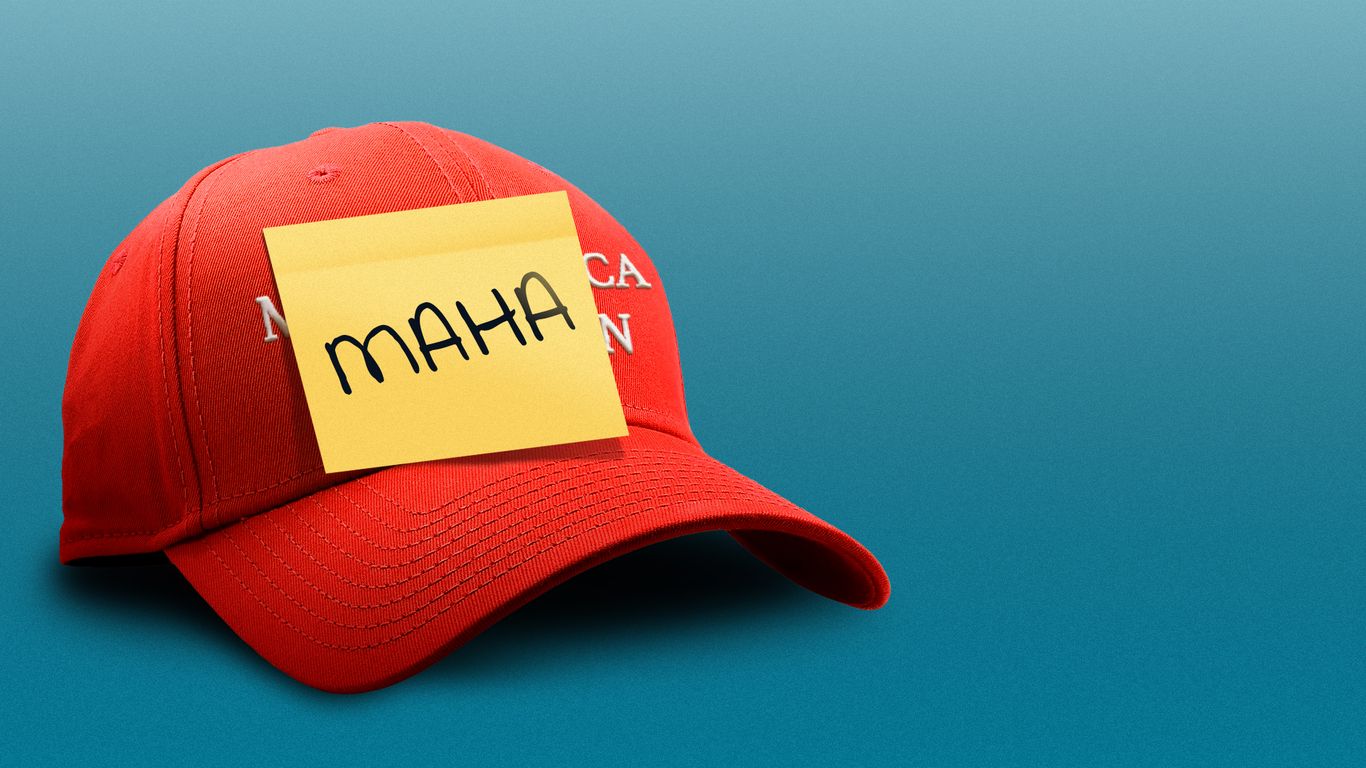
The House voted 280-142 to strip language from the farm bill that critics said would have shielded pesticide manufacturers from failure-to-warn lawsuits, a modest win for MAHA-aligned advocates. The White House also withdrew Casey Means' surgeon general nomination and replaced her with Nicole Saphier, reflecting ongoing political friction around vaccines and public health messaging. The Senate still must act on the farm bill, and Saphier's nomination requires Senate health committee hearings.
The key market signal is not the personnel drama; it is that MAHA can still impose asymmetric regulatory friction on agrochemicals even without controlling the executive branch. That raises the probability that litigation risk gets re-rated across the crop-protection stack: not just the obvious exposed names, but also seed/traits businesses and farm distributors that rely on bundled chemistries and predictable label protection. If state-level failure-to-warn exposure remains alive, the economic moat shifts from product efficacy to legal resilience, which is a slower, more expensive game for incumbents. The second-order effect is on premium pricing and product mix. If legacy herbicides face more legal uncertainty, the industry likely accelerates into newer formulations, biologicals, and trait packages that reduce reliance on glyphosate-adjacent economics. That is constructive for innovators with cleaner label profiles and diversified pipelines, but it compresses margins for firms whose earnings depend on volume leverage in mature chemistry; the transition period could last multiple quarters because customers tend to keep using the lowest-cost input until risk becomes enforceable through settlements or label changes. The surgeon-general reversal is a reminder that the movement’s influence is strongest where the policy payload is defensible as consumer safety and weakest where it collides with mainstream public-health orthodoxy. For markets, that means the tail risk is not a broad anti-science purge; it is selective regulatory activism that can be weaponized in agriculture, food ingredients, and labeling. The consensus may be underestimating how quickly litigation headlines can spill into procurement behavior, especially for large growers and municipal buyers that prefer to de-risk headline-sensitive vendors. Catalyst timing matters: Senate farm-bill language over the next few weeks is the near-term event, while the Supreme Court case on pesticide liability is the medium-term binary. If the court narrows state claims, the trade fades; if not, expect a multi-quarter overhang and a higher cost of capital for the exposed names. The move is probably underpriced because the direct legislative vote is only the first screen — the real economic damage comes from the signaling effect on plaintiffs, insurers, and state AGs.
AI-powered research, real-time alerts, and portfolio analytics for institutional investors.
Request DemoOverall Sentiment
neutral
Sentiment Score
0.05
