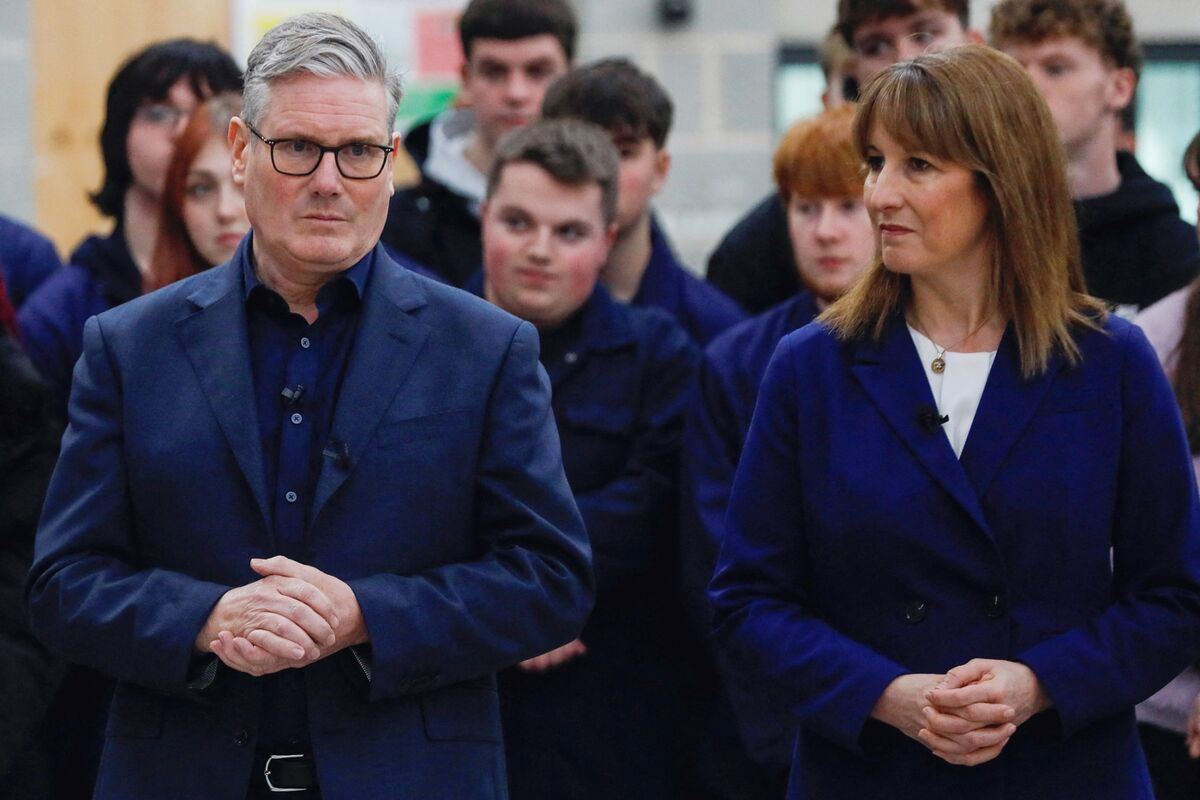
UK Chancellor Rachel Reeves plans to freeze income-tax thresholds, rather than lowering them, as a strategy to address a £20 billion fiscal deficit identified by budget watchdog forecasts. This decision will effectively increase tax revenue through fiscal drag, impacting taxpayers as inflation pushes more individuals into higher tax brackets without explicit rate hikes.
UK Chancellor Rachel Reeves has decided to freeze income-tax thresholds rather than lower them, a move aimed at addressing a substantial £20 billion fiscal deficit identified by the budget watchdog. This policy choice avoids direct tax rate increases but effectively broadens the tax base through fiscal drag.
By maintaining current thresholds during a period of inflation, more individuals will see their real incomes push them into higher tax brackets, thereby increasing the government's tax revenue. This strategy represents a stealth tax increase, generating funds for public finances without explicit legislative changes to tax rates.
The decision carries a moderately negative sentiment score of -0.5, reflecting the anticipated impact on household disposable income and consumer purchasing power. With a market impact score of 0.55, this fiscal policy is expected to have a noticeable, albeit not severe, economic consequence, signaling continued fiscal consolidation efforts.
AI-powered research, real-time alerts, and portfolio analytics for institutional investors.
Request DemoOverall Sentiment
moderately negative
Sentiment Score
-0.50
