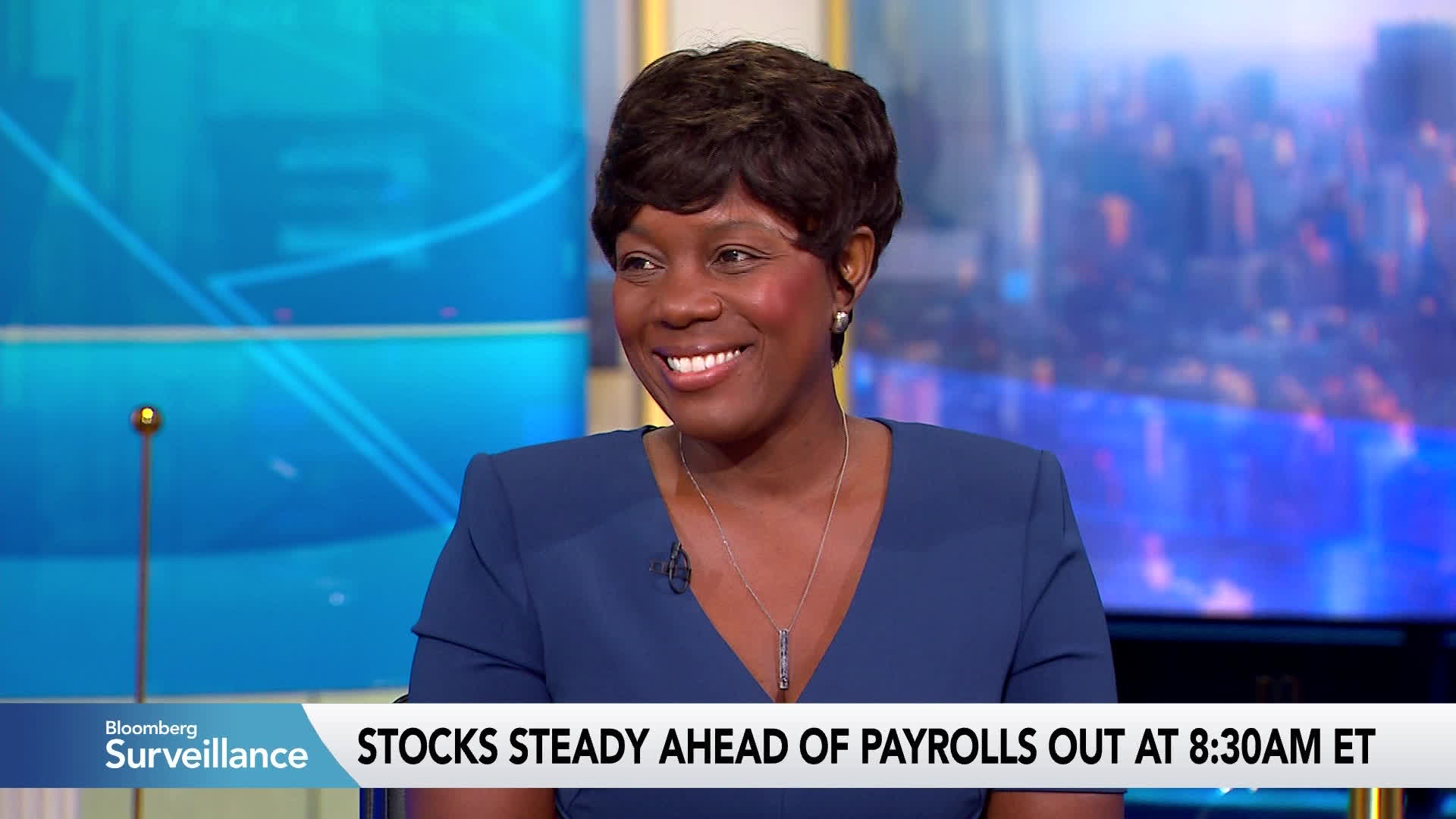
The US economy added 147,000 jobs in June, accompanied by a fall in the unemployment rate. Amidst this data, economist Slok asserts there is no need for the Federal Reserve to cut rates, while BlackRock's Rosenberg expresses concern over a reported dip in private payrolls.
The latest US labor market data presents a conflicting picture for investors, obscuring the path for Federal Reserve monetary policy. While the headline addition of 147,000 jobs in June and a corresponding fall in the unemployment rate suggest continued economic resilience, this is counterbalanced by specific concerns from influential market participants. Economist Slok interprets the data as sufficient grounds for the Fed to hold off on interest rate cuts, a view supported by the ostensibly solid top-line figures. However, a contrasting cautionary note from BlackRock's Rosenberg highlights a dip in private payrolls, signaling potential underlying weakness that the headline number may not fully capture. This divergence between the headline report and its private-sector components creates significant uncertainty, reflected in the mixed sentiment and high market impact score, making a clear interpretation of economic momentum challenging.
AI-powered research, real-time alerts, and portfolio analytics for institutional investors.
Request DemoOverall Sentiment
mixed
Sentiment Score
0.00
Ticker Sentiment
