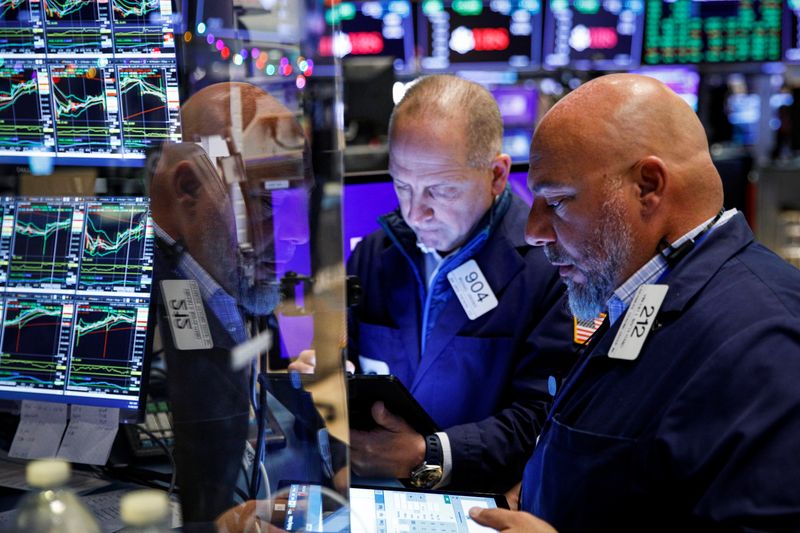
U.S. equities posted modest gains Wednesday as markets processed mixed economic data, with June producer price inflation subdued (0.0% MoM, 2.3% YoY) contrasting with a hotter consumer price index (0.3% MoM, 2.7% YoY). Persistent uncertainty surrounding new U.S. tariffs, including threats on pharmaceutical imports and new levies on Indonesian goods, continued to impact sentiment. Meanwhile, major banks largely reported better-than-expected Q2 earnings but expressed increased caution over the economic outlook due to trade tensions, while crude oil prices declined despite OPEC's stable demand forecast.
The market is navigating conflicting economic signals and escalating trade policy risks. A notable divergence has emerged between inflation indicators, with benign June producer prices (0.0% MoM, 2.3% YoY) contrasting sharply with hotter-than-expected consumer price inflation (2.7% YoY). This dynamic supports analyst expectations that the Federal Reserve's upcoming Beige Book will reflect stagflationary pressures, characterized by growth headwinds and price increases driven by trade friction. Uncertainty is being amplified by new tariff announcements, including a 19% levy on Indonesian goods and a threatened 200% tariff on pharmaceutical imports. In the corporate sphere, the Q2 earnings season for major banks reveals a cautious outlook despite largely positive results. While Bank of America and Goldman Sachs leveraged market volatility to boost trading revenues and saw their stocks rise, commentary from JPMorgan's CEO on "significant risks" from tariffs and a negative stock reaction for Morgan Stanley despite strong profits indicate that forward guidance is weighing more heavily on investors than backward-looking performance. In contrast, Johnson & Johnson demonstrated resilience by raising its full-year sales forecast, even while acknowledging the direct threat of import tariffs. Meanwhile, the energy market is showing signs of weakness, with crude prices falling as the market discounts geopolitical supply risks, even as OPEC maintains a robust long-term demand forecast.
AI-powered research, real-time alerts, and portfolio analytics for institutional investors.
Overall Sentiment
mildly negative
Sentiment Score
-0.25
Ticker Sentiment
