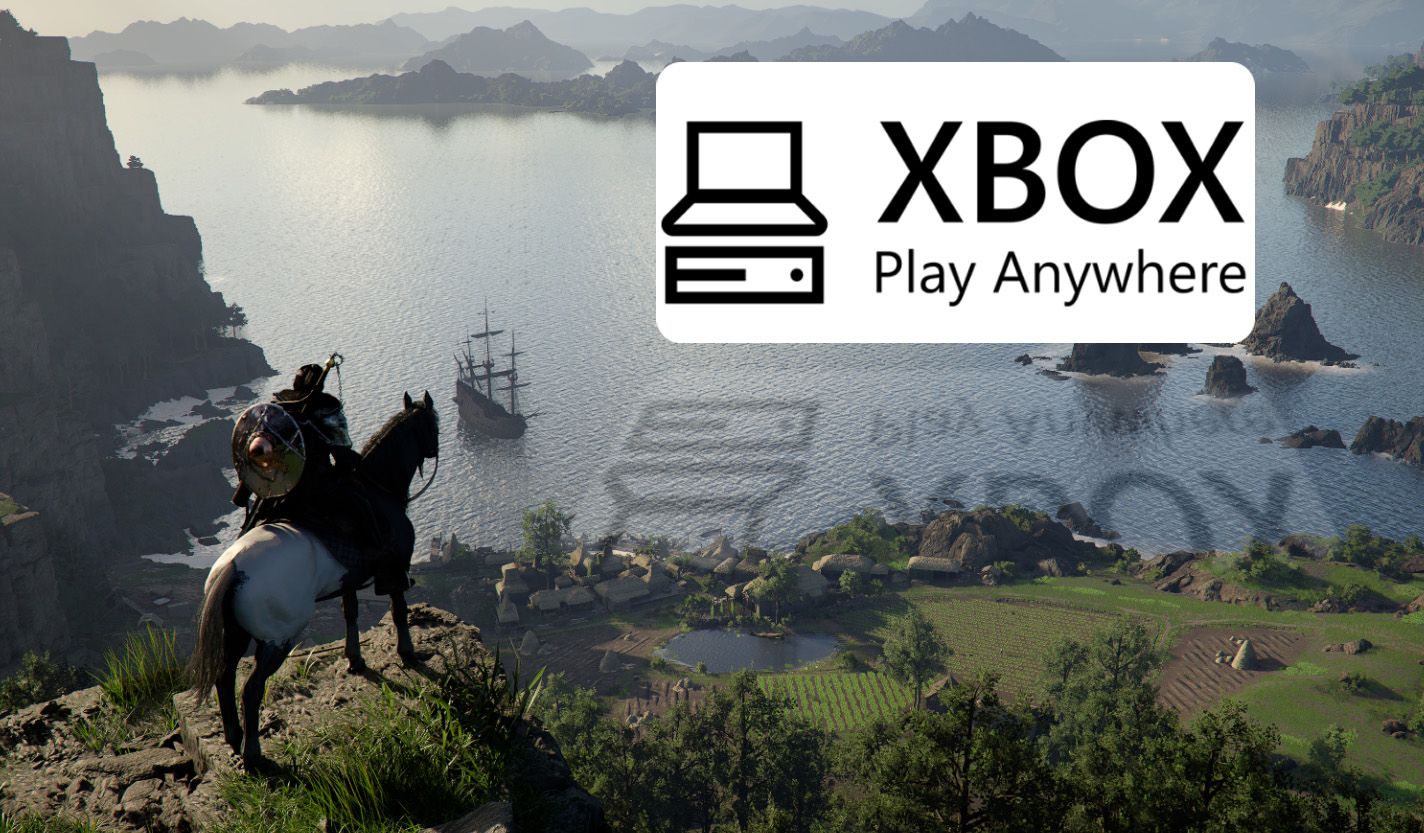
Crimson Desert’s Deluxe Edition has been added to Xbox Play Anywhere — enabling access via Xbox Cloud, PC and Xbox Series X|S — with the game due to launch on March 19, 2026, marking a clear win for Microsoft’s cross-buy strategy. However, the piece highlights meaningful inconsistency in third-party support (e.g., Resident Evil Requiem reportedly lacking Play Anywhere support despite Capcom supporting other titles, and Sega delisting older Yakuza versions without PC replacements), underscoring a content gap that undermines Microsoft’s Xbox Anywhere marketing push and may favor more consistent platforms like Steam in consumer adoption. The item signals reputational and ecosystem risks to Microsoft’s Xbox PC strategy rather than immediate financial metrics, potentially affecting long-term user growth and platform monetization if unresolved.
Market structure: Microsoft (MSFT) retains the largest strategic upside from any successful cross-device Xbox Play Anywhere adoption, but inconsistent third‑party opt‑ins weaken network effects and give incumbent PC distribution (Steam) a relative advantage. Expect modest pressure on MSFT’s consumer segment growth and pricing power for Game Pass over the next 3–12 months if adoption of Play Anywhere remains spotty; this will translate into higher near‑term equity volatility (IV +10–25% on consumer news) but minimal sovereign bond impact.
Risk assessment: Tail risks include regulatory scrutiny of bundling (antitrust) and a developer exodus to Steam or console exclusivity—low probability but high impact to MSFT’s gaming revenue (>10% downside to gaming segment over 12 months). Near term (days–weeks) risk centers on reception of Crimson Desert (launch Mar 19, 2026) and any delistings; medium term (3–12 months) depends on dev incentives and next Xbox platform roadmap; long term (1–3 years) hinges on whether MSFT converts console parity into consistent publisher buy‑in.
Trade implications: Tactical overweight MSFT on controlled dips but hedge downside with short‑dated puts; add small thematic gaming ETF exposure (ESPO or GAMR) to capture consolidation in content, and overweight multi‑platform publishers (EA) vs PC‑exclusive names. Use defined‑risk option structures around the Mar 19 launch and next Xbox developer events to monetize event volatility while limiting drawdown.
Contrarian angle: Consensus overweights the negative PR of inconsistent Play Anywhere and underestimates MSFT’s leverage via cloud, developer incentives, and enterprise cash flow to subsidize gaming for 12–24 months. Historical parallels (Xbox cycle recoveries) suggest short‑term disappointment can create 5–15% buying opportunities if MSFT announces concrete publisher incentive measures within two quarters; risk is MSFT choosing slow migration, which would validate the negative view.
AI-powered research, real-time alerts, and portfolio analytics for institutional investors.
Request DemoOverall Sentiment
moderately negative
Sentiment Score
-0.30
Ticker Sentiment
