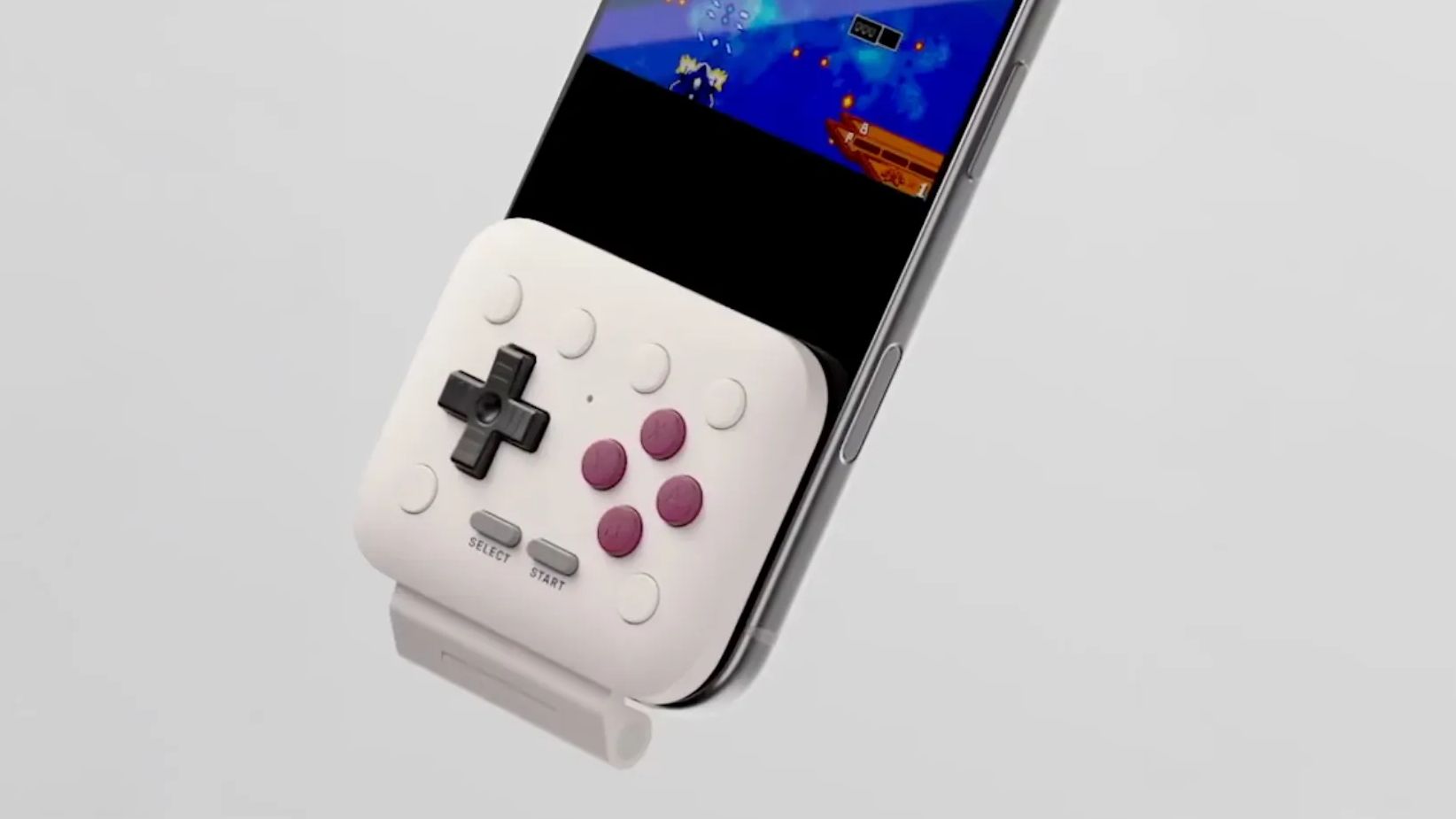
8BitDo unveiled the FlipPad, a retro-style mobile gamepad that plugs into a phone's USB-C port, magnetically attaches to the display, and omits thumbsticks in favor of a d-pad and traditional face buttons. The controller, compatible with iOS and Android, is slated to launch in Summer 2026 and will be exhibited at CES 2026; pricing is not disclosed but the company’s prior controllers suggest an affordable mid-range positioning. For investors, the announcement is a product-focused brand update with limited near-term revenue or market-impact data, but it signals continued activity in the mobile gaming accessories niche. Monitor pricing, pre-order demand, and distribution plans for any potential commercial significance.
Market structure: 8BitDo’s FlipPad reinforces niche expansion in mobile gaming peripherals — winners are small/medium accessory makers and retailers who capture incremental attach-rate to smartphones, losers are marginal Bluetooth-only controller incumbents and low-margin generic OEMs. Expect modest pricing pressure in the mid-range controller segment (price bands $40–$80) as retro/no-joystick designs compete on price and compatibility with iOS/Android. Ecosystem impact is asymmetric: Apple (AAPL) gains a small positive UX tailwind for iPhone gaming adoption; public peripherals peers (TBCH in dataset) could see volatile sentiment around CES and Summer 2026 launch windows.
Risk assessment: Tail risks include Apple reversing “official support” (product delisting/MFi restrictions) or a supply-chain failure for magnetic/USB-C components, each capable of wiping 10–30% off an accessory maker’s short-term revenue. Immediate (days) risk centers on CES sentiment volatility; short-term (0–3 months) on pre-order/pricing disclosure; medium-term (3–9 months) on summer sales and holiday placement; long-term (12–24 months) on sustained mobile gaming adoption vs. console cloud gaming. Hidden dependency: retail shelf placement and software integration (emulator/legal risks) — lack of store distribution or app-blocking policies would materially reduce TAM.
Trade implications: Near-term trades should be event-driven into CES (Jan 6–9) and the Summer 2026 launch window. Favor small, concentrated exposure to publicly-traded peripheral peers (TBCH) via limited-size equity positions or cheap call spreads to capture a 15–30% re-rating on positive demos/pre-orders; avoid large directional bets on AAPL where impact is marginal. Use option structures to limit downside: 1–3 month call spreads into CES and 3–6 month verticals into summer; set hard stop-losses (10–12%) and take-profit bands (20–30%).
Contrarian angles: Consensus treats this as a consumer novelty; downside is underpriced if Apple tightens certification — position sizes should assume a 50% chance of muted adoption. Conversely, if FlipPad pricing < $50 and secures major retail/Apple channels, small-cap peripherals could see outsized rev reacceleration (30%+ near-term). Historical parallels: accessory-driven micro-cycles (Backbone, Razer-like launches) produced 20–40% short bursts then mean-reverted; expect similar pulse-trade opportunities, not long-duration structural winners.
AI-powered research, real-time alerts, and portfolio analytics for institutional investors.
Request DemoOverall Sentiment
neutral
Sentiment Score
0.15
Ticker Sentiment
