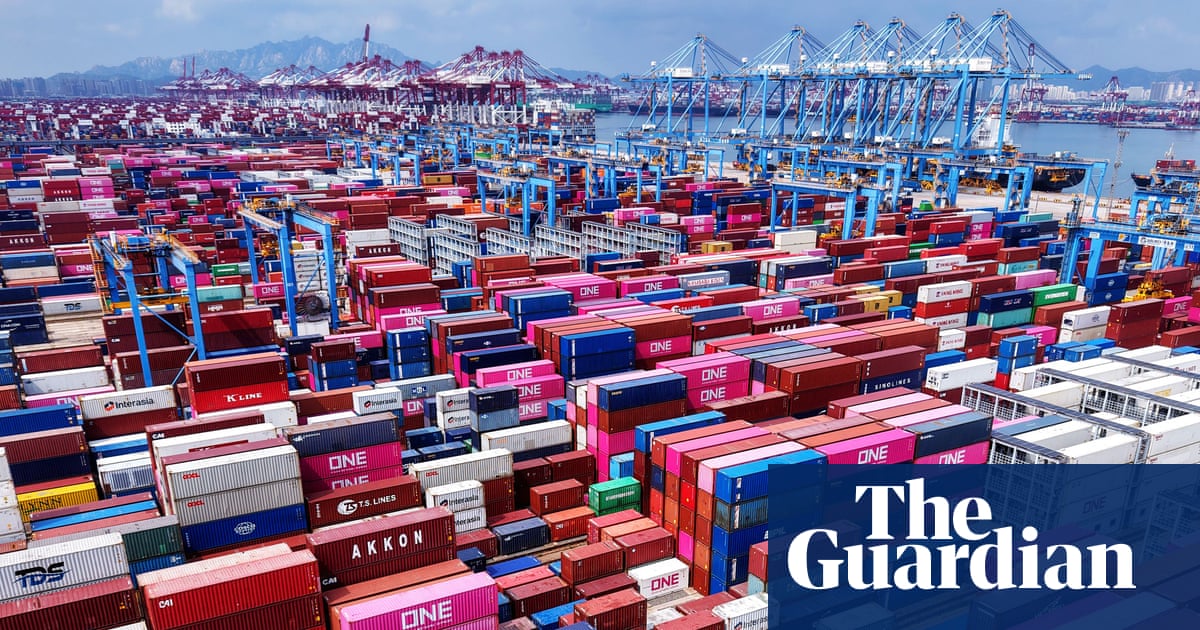
President Trump has extended the deadline for imposing higher tariffs on China by another 90 days until November 9, temporarily averting an immediate escalation of trade tensions as a previous agreement was set to expire. This pause, which follows recent bilateral talks and expressions of hope for a resolution, provides further time for negotiations, though failure to secure a deal could trigger significant tariff increases, with the US threatening up to 245%. Economists warn that existing tariffs are already increasing US consumer costs, with Goldman Sachs projecting up to 67% absorption by consumers, while recent agreements requiring chipmakers like Nvidia and AMD to pay a percentage of revenue for China export licenses introduce a new, potentially concerning, precedent for US trade policy.
The 90-day extension of the tariff deadline to November 9 provides a temporary reprieve from an immediate escalation in the US-China trade conflict, though the underlying risk remains substantial with potential US tariffs of up to 245% still on the table. While officials express optimism, the economic friction is already tangible; Goldman Sachs calculates that US consumers have absorbed 22% of existing tariff costs, a share projected to rise to 67% if recent tariffs follow past patterns, highlighting a significant inflationary risk. A more concerning development is the new precedent set by the US government requiring chipmakers Nvidia and AMD to pay 15% of their revenue from advanced chip sales to China in exchange for export licenses. This policy, described by a former trade negotiator as a "monetization of US trade policy," introduces a direct and material cost for US tech companies, fundamentally altering the calculus for accessing the Chinese market and signaling a potentially systemic shift in how trade controls are implemented.
AI-powered research, real-time alerts, and portfolio analytics for institutional investors.
Overall Sentiment
mixed
Sentiment Score
0.15
Ticker Sentiment
