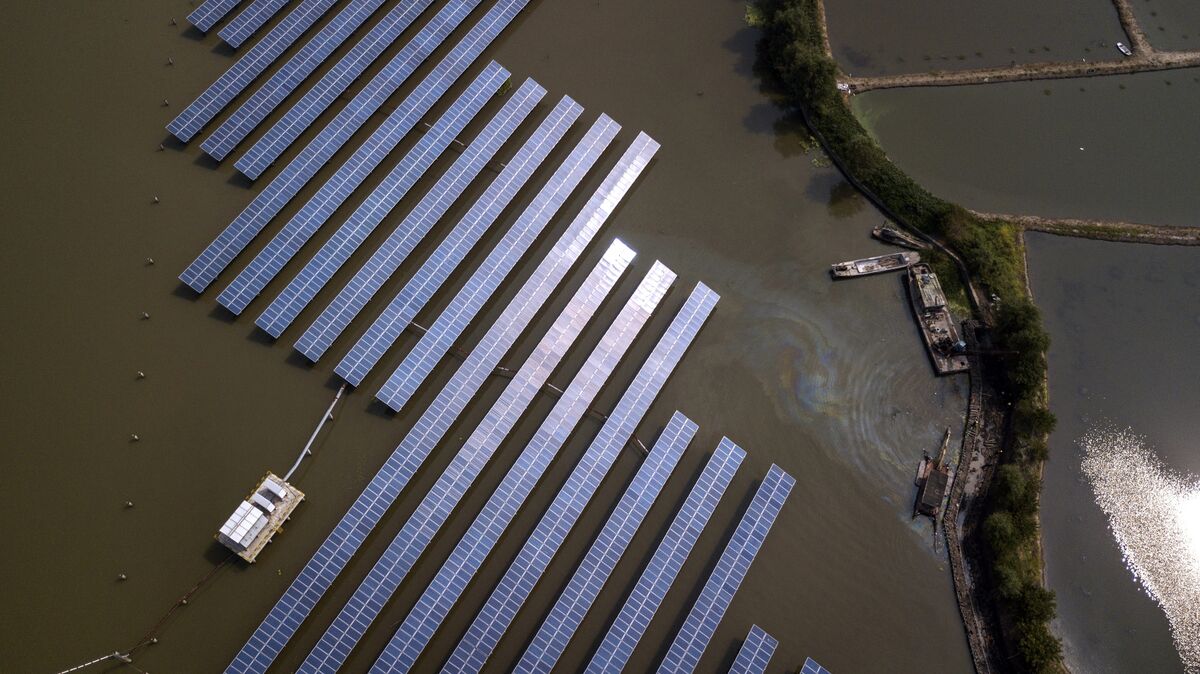
China is leveraging a new market-based electricity pricing system to strategically guide clean energy investment and deployment across its regions. In Guangdong, the system is incentivizing offshore wind development with generous rates to meet high electricity demand, while in Shandong, it is being used to rectify an existing oversupply of solar power. This approach highlights China's refined strategy for optimizing renewable energy infrastructure based on regional needs and resource availability.
China is deploying a new market-based electricity pricing system to more effectively manage its renewable energy transition, signaling a shift from broad national mandates to a nuanced, regionally-focused strategy. This tool is being used to direct investment toward specific technologies based on local needs and existing infrastructure. For instance, in the power-hungry Guangdong province, officials are offering 'generous rates' to stimulate offshore wind development, a sector well-suited to its coastal geography but in need of investment. Conversely, in Shandong, the same market mechanisms are being applied to 'correct course' and alleviate a 'glut of solar power' that has developed over years. This dual application demonstrates a maturing policy framework designed to optimize capital allocation, prevent regional oversupply, and align clean energy growth with actual electricity demand, suggesting a more sustainable and economically rational path for the country's energy sector.
AI-powered research, real-time alerts, and portfolio analytics for institutional investors.
Request DemoOverall Sentiment
moderately positive
Sentiment Score
0.55
