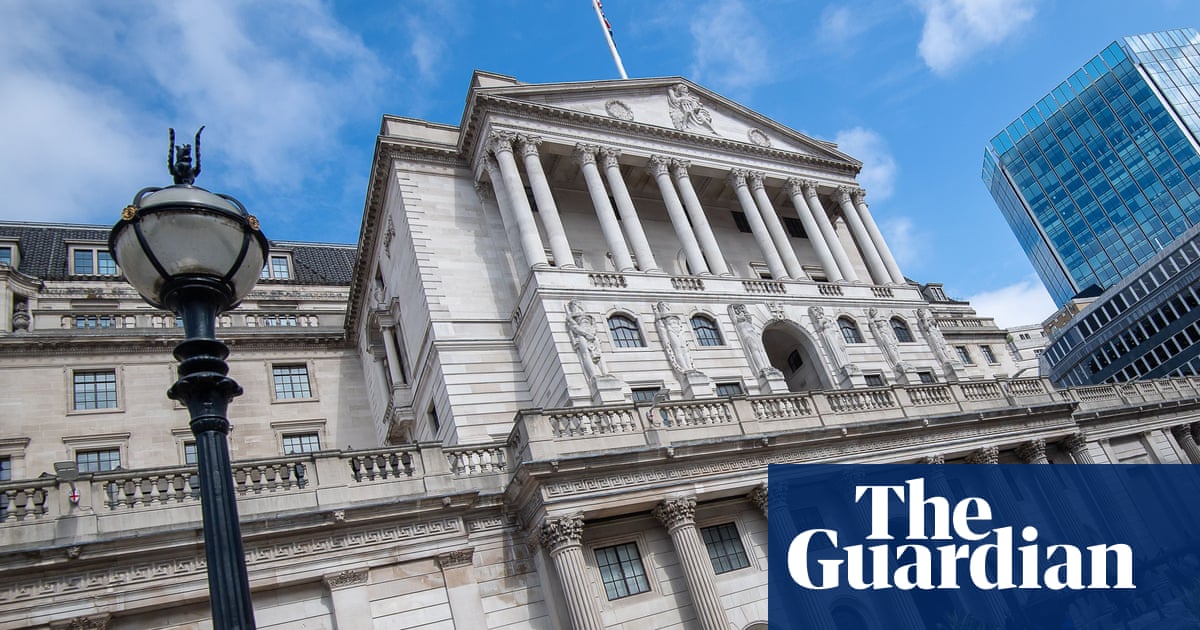
The Bank of England is widely expected to cut its benchmark interest rate by 0.25 percentage points to 4% on Thursday, the fifth reduction since last August, amid a contracting economy, rising unemployment (4.7%), and the impact of new global trade tariffs. While markets price in an over 80% chance of this move to stimulate growth, it underscores the UK's economic fragility and potential for stagflation, as June's 3.6% CPI inflation remains above the 2% target, with lingering food price pressures potentially leading to a split MPC vote.
The Bank of England is confronting a significant policy dilemma, with financial markets pricing in an over 80% probability of a 25-basis-point interest rate cut to 4.0%. This widely anticipated move is a direct response to a deteriorating economic landscape, characterized by two consecutive months of contraction—a 0.3% decline in April and a 0.1% fall in May. The labor market is also showing clear signs of weakening, with the unemployment rate rising to 4.7%, its highest level since June 2021, and job vacancies falling below pre-pandemic levels. However, the decision is complicated by persistent inflationary pressures, as the June CPI of 3.6% remains well above the MPC's 2% target. A recent jump in food inflation is of particular concern as it directly impacts household inflation expectations. This combination of slowing growth and high inflation has elevated the risk of stagflation, a scenario underscored by the IMF's forecast for just 0.1% growth in the second half of the year. The situation is further compounded by external headwinds from new US import tariffs, which threaten global trade. A split vote on the MPC is expected, with hawkish members likely opposing a cut, signaling that the path for future monetary easing is uncertain and highly data-dependent.
AI-powered research, real-time alerts, and portfolio analytics for institutional investors.
Overall Sentiment
strongly negative
Sentiment Score
-0.70
