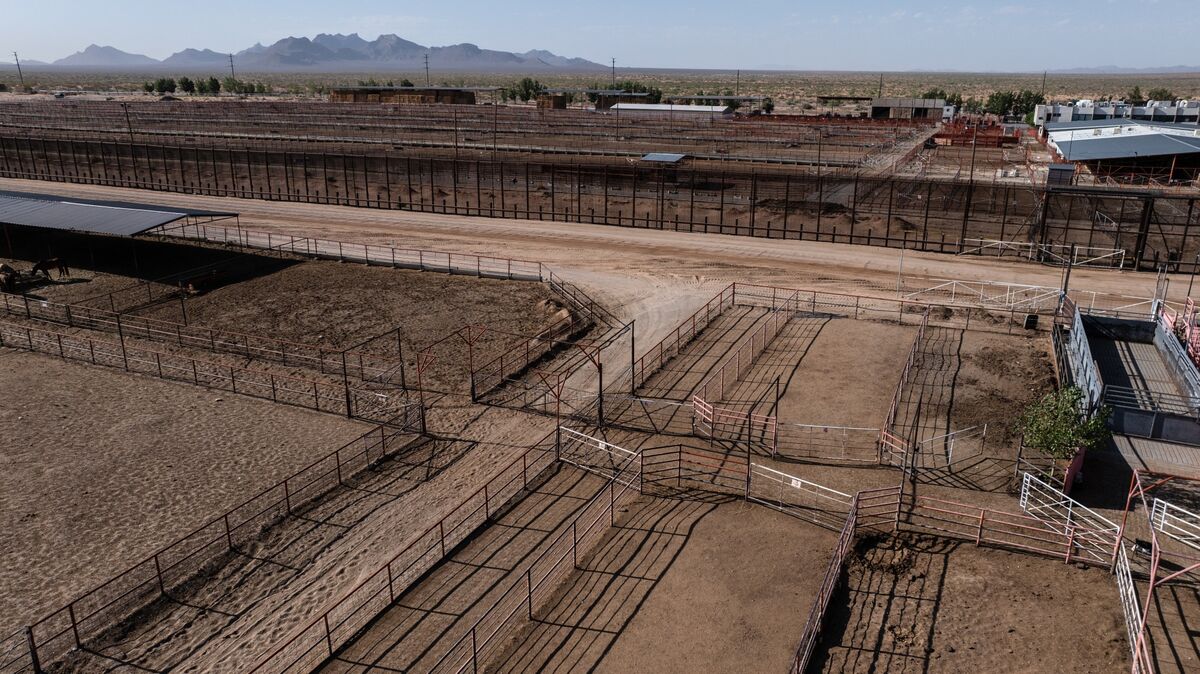
The U.S. Department of Agriculture will incrementally resume Mexican livestock imports, commencing July 7 with the Douglas, Arizona port for cattle, horses, and bison, following a May suspension due to a parasitic screwworm outbreak. Additional ports in New Mexico and Texas are slated to reopen through mid-September, as the USDA evaluates risks after each phase, signaling a gradual restoration of cross-border livestock trade.
The U.S. Department of Agriculture's decision to resume Mexican livestock imports in a phased manner, beginning July 7, signals a gradual normalization of a key cross-border supply chain. The initial suspension in May, triggered by a biosecurity threat from the New World screwworm, created a bottleneck for U.S. feedlots and processors reliant on live cattle, horses, and bison from Mexico. The reopening strategy, starting with a single port in Arizona and extending to others in New Mexico and Texas through mid-September, is deliberately cautious. Each phase is contingent on risk evaluations, indicating that the restoration of trade flows is conditional and subject to potential delays or reversals if biosecurity issues resurface. While the overall market impact is low, this development directly addresses a significant operational risk within the North American livestock and meatpacking industries by beginning to ease supply constraints.
AI-powered research, real-time alerts, and portfolio analytics for institutional investors.
Request DemoOverall Sentiment
moderately positive
Sentiment Score
0.50
