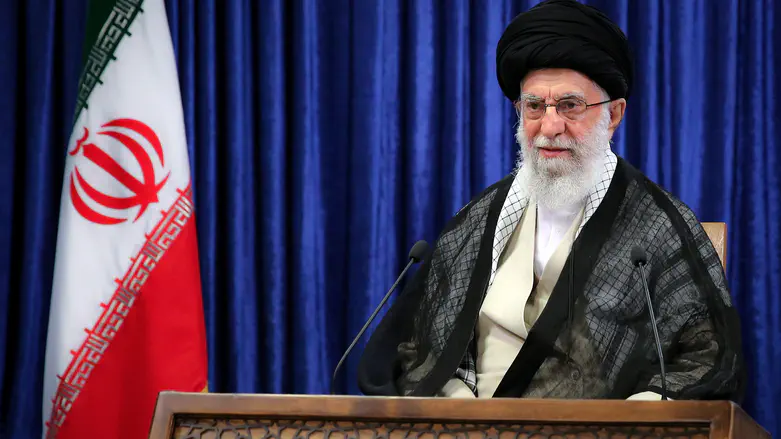
Western intelligence indicates Iran’s Supreme Leader Ayatollah Ali Khamenei has a secret ‘plan B’ to flee Tehran with close aides and family if security forces desert amid nationwide, sanctions‑hit protests; his network Setad is reported to control vast holdings (a 2013 Reuters estimate cited ~$95 billion) and the regime has been accumulating assets and cash abroad. The assessment portrays Khamenei as increasingly fragile after recent regional conflict, with potential implications for regime stability, sanctions enforcement, and regional risk premia—factors that could affect emerging‑market risk sentiment and commodity/geo‑political exposures if unrest escalates.
Market structure: Short-term winners are defense primes and safe‑havens; losers are regional EM assets, Iranian proxies, and energy‑sensitive travel/leisure names. A sustained disruption scenario would tighten crude balances (Brent/WTI +$10–$30/bbl within 2–6 weeks on a 10%+ export hit) boosting energy profits and input costs; sovereign credit spreads of nearby EM issuers could widen 150–400bp. Cross‑asset: expect flight‑to‑quality (USTs, gold GLD up 3–12% near term), USD strength versus EM FX, higher implied volatility in equity and oil options.
Risk assessment: Tail risks include regime collapse or broader regional conflict (low probability ~5–15% but high impact), triggering sustained oil shock and 10–25% equity drawdowns in Europe/EM. Time horizons: immediate (days) = volatility spikes; short (weeks–months) = oil and safe‑haven flows; long (quarters–years) = sanctions realignment, asset seizures or redistribution of Iranian oil markets. Hidden dependencies: Russian support or Moscow hosting exiles could harden sanctions regimes or conversely create new energy/arms corridors.
Trade implications: Favor small tactical longs in defense (LMT, NOC, RTX) and convex exposure to oil and volatility while trimming EM beta. Use limited-capital, defined‑risk option structures (3–6 month call spreads on XLE/BNO; VIX call buys) and gold as portfolio tail hedge. Capital allocation should be small (1–3% per theme) with clear triggers to trim on normalization (oil down $10 from peak, VIX <18).
Contrarian angles: Consensus may overpay for permanent dislocation; history (Arab Spring, 2011) shows initial oil shocks often fade in 3–6 months absent blockade. If the regime weakens and splits, sanctions could eventually soften or illicit exports reconstitute, pressuring energy longs — hedge with time‑limited options and staggered entries over 2–8 weeks to capture spikes while limiting carry risk.
AI-powered research, real-time alerts, and portfolio analytics for institutional investors.
Request DemoOverall Sentiment
moderately negative
Sentiment Score
-0.50
