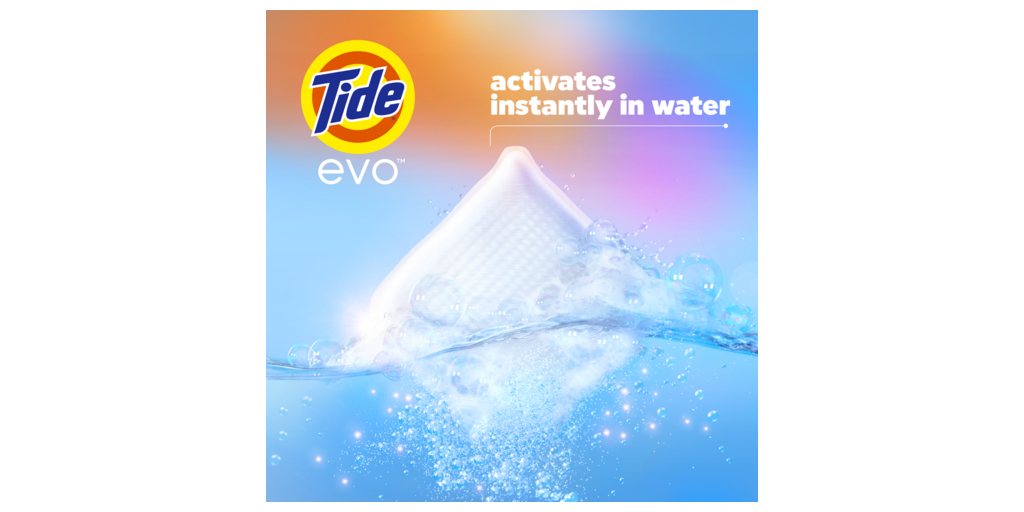
Procter & Gamble’s Tide brand launched Tide evo, a nationally rolled-out, 100% concentrated, waterless fiber-based laundry "tile" claiming six cleaning layers, instant cold-water activation, tactile/NaviLens accessibility features and curbside-recyclable FSC-certified paper packaging; the company cites a U.S. laundry care market of $24.87 billion in 2024 with a projected 6.2% CAGR from 2025–2030. The product is positioned to meet consumer demand for convenience and sustainable formats and may modestly reduce packaging and transportation weight (and associated emissions), but absent adoption or sales metrics it is unlikely to move P&G’s near-term revenue or margin trajectory materially.
Market structure: Tide evo strengthens P&G’s (PG) brand moat by introducing a differentiated format that can command premium pricing, reduce per-wash transport cost (estimated 10–30% lower kg/mile vs liquids) and shrink shelf/warehouse space. Direct winners: PG, paperboard packaging makers (e.g., WestRock, WRK; International Paper, IP) and logistics efficiency (lower freight per wash). Losers: plastic bottle resin producers (partial downside to LYB/LyondellBasell over years) and commoditized private-label detergents if Tide evo captures premium share.
Risk assessment: Key tail risks include product efficacy failure, allergen/consumer litigation, or regulatory action on novel fiber chemistries — each could create a >5–15% hit to PG laundry sales in a worst case over 12 months. Near term (0–3 months) risk is distribution execution and early reviews; medium term (3–12 months) is pricing/cannibalization vs PODs; long term (1–3 years) is competitor copycat and raw-material cost shifts. Hidden dependency: success hinges on sustained cold-water adoption and retailer shelf space; a priced premium >10–15% vs PODs risks slow adoption.
Trade implications: Tactical overweight PG vs peer staples: expect modest EPS lift (10–50 bps) over 12–18 months if rollout gains 1–3 pts U.S. market share in laundry. Use defined-risk options to express view (see trades). Monitor weekly POS/share metrics from IRI/Nielsen for first 8–12 weeks as primary catalyst; quarterly results will reprice shares. Shipping/packaging beneficiaries should be sized smaller (1–2% positions) versus core PG exposure.
Contrarian: The market will under-appreciate manufacturing scale risk and potential cannibalization of higher-margin PODs; if retailers resist switching shelf space or price parity is demanded, revenue upside will be muted. Historical parallel: P&G’s POD launch initially boosted top-line but took 2–3 years to materially change mix — expect similar multi-year cadence. Short-term sentiment may be overdone; real earnings read-through will lag 2 quarters.
AI-powered research, real-time alerts, and portfolio analytics for institutional investors.
Request DemoOverall Sentiment
mildly positive
Sentiment Score
0.30
Ticker Sentiment
