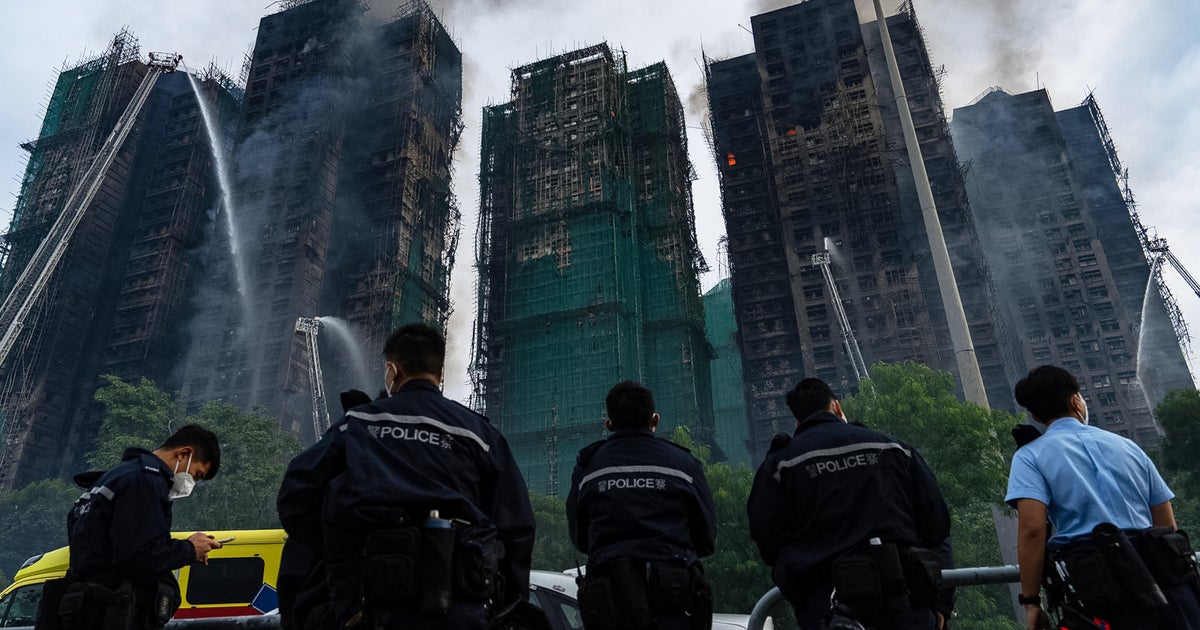
A major blaze tore through the Wang Fuk Court high‑rise complex in Tai Po, Hong Kong, killing at least 94 people, injuring about 70 (including 11 firefighters), leaving hundreds unaccounted for (authorities reported contact lost with 279 people), and prompting evacuation of roughly 900 residents. The fire spread across seven of eight towers in a complex of nearly 2,000 apartments housing about 4,800 people, was aided by exterior bamboo scaffolding and likely flammable foam materials found on external walls, and occurred amid a major renovation. Police arrested three senior figures (directors and an engineering consultant, ages 52–68) from a construction firm on suspicion of manslaughter amid allegations of gross negligence and use of non‑fire‑resistant materials, a development that could trigger regulatory scrutiny, litigation and reputational risk for contractors and insurers in Hong Kong’s property and construction sectors.
Market structure: The immediate winners are suppliers of non-combustible cladding, fire-safety systems and large multinational building-systems vendors (potentially able to capture retrofit contracts); losers are local contractors, renovation firms and owners/operators of aging residential stock in Tai Po and similar suburbs. Expect short-term downward pressure on prices/rent for the affected micro-market and a re-rating of small-cap contractors; regulatory-driven retrofit demand could reallocate 1–3% of regional construction budgets toward compliance over 12–24 months.
Risk assessment: Tail risks include broad regulatory recalls/bans on certain exterior materials, class-action litigation and large insurer reserve hits — each could shave several percentage points off affected issuers’ market caps and force multi-quarter earnings misses. Near-term (days–weeks) risk is liquidity and sentiment; medium-term (3–12 months) is litigation and premium repricing; long-term (1–3 years) is higher capex for compliance and slower leasing in older stock.
Trade implications: Hedge Hong Kong equity and property exposures immediately; prefer defensive longs in global fire-safety/building-systems (names with global scale and balance sheets) and underweight local small contractors and exposed developers. Volatility will spike regionally; protect with short-dated puts or put spreads rather than outright shorts to limit tail losses.
Contrarian angles: Consensus will likely sell all Hong Kong real estate names indiscriminately — that overreacts to a localized structural-failure story. The market may underprice large multi-national systems vendors (JCI, HON) that can scale retrofit demand and insurers with strong capital (AIG, not AIA) that can raise pricing, creating asymmetric trades over 6–18 months.
AI-powered research, real-time alerts, and portfolio analytics for institutional investors.
Request DemoOverall Sentiment
moderately negative
Sentiment Score
-0.60
