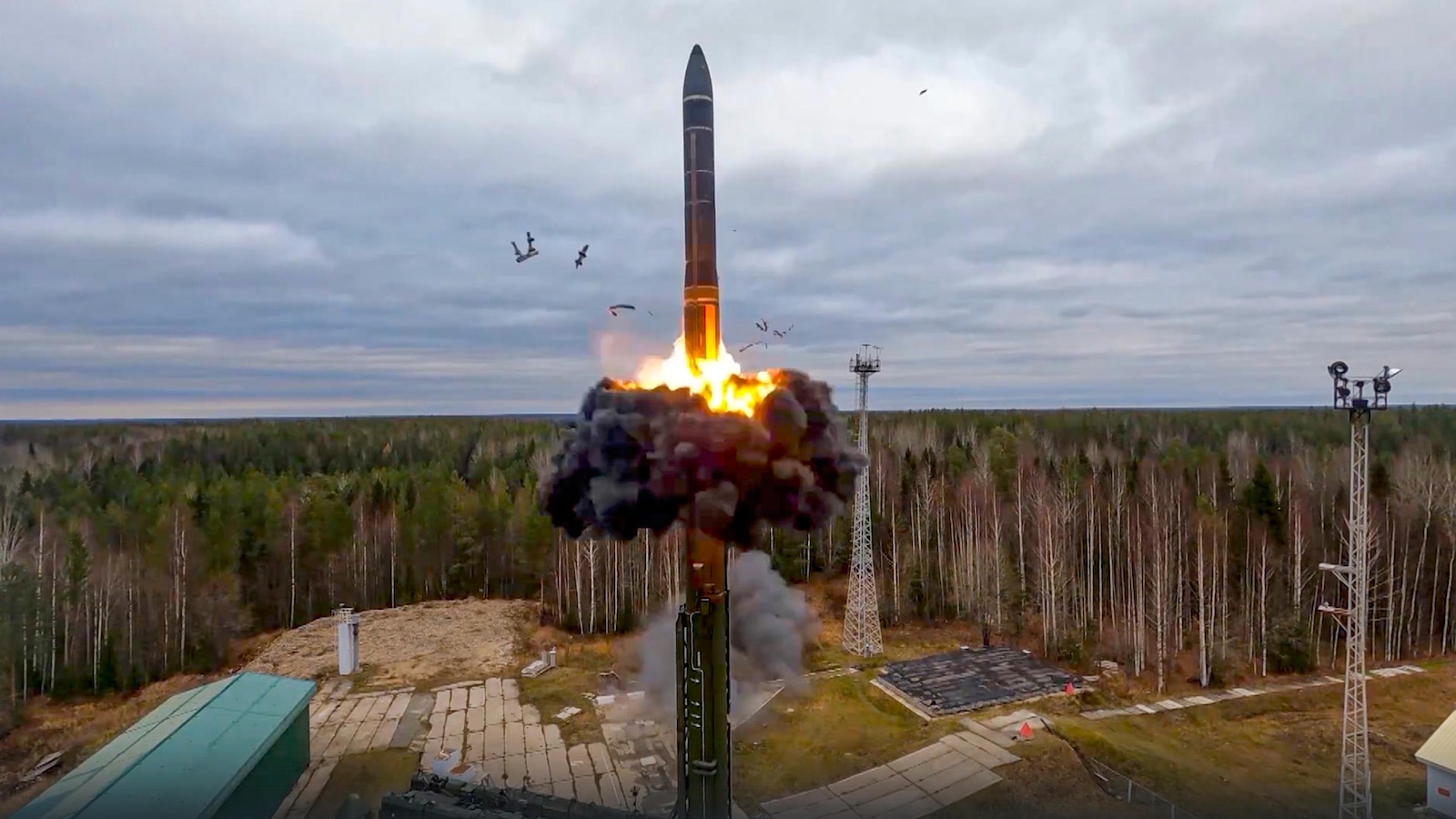
President Trump’s Truth Social post threatening renewed U.S. nuclear testing and President Putin’s pledge of reciprocal measures have raised fresh risks to the Comprehensive Nuclear-Test-Ban Treaty (CTBT) norm and nonproliferation frameworks. The CTBT has 187 signatories and 178 ratifications but is not in force pending ratification by 44 specific states; Russia revoked its ratification in 2023, the U.S. has signed but not ratified, and the CTBTO operates a 307-station monitoring network (2025 budget ~$139m) that detects sub-kiloton events though verification gaps remain for extremely low-yield hydronuclear tests. The threat of resumed testing heightens geopolitical uncertainty, could benefit defense-related suppliers and safe-haven assets, and raises the prospect of other nuclear-capable states conducting or accelerating tests absent clear diplomatic resolution.
Market structure: A verified or credibly threatened resumption of nuclear testing shifts budget and risk premia toward defense, nuclear services and monitoring tech. Direct beneficiaries are large prime contractors with backlog/missile modernization exposure (LMT, RTX, NOC) and uranium miners/holders (CCJ, URA, YCA.L) as governments reprioritize CAPEX over consumer discretionary; travel/leisure and EM cyclical exporters are immediate losers. Pricing power will favor defense primes with long lead times while civilian sectors face demand compression if risk-off persists.
Risk assessment: Immediate (days) risk-off moves: USD, JPY, gold, and 10y Treasuries (TLT) bid; equities and oil may gap; expect 10y yield down 10–30bps in first 72 hours if rhetoric escalates. Short-term (weeks–months) the main tail risks are a mistaken tactical test or escalation triggering sanctions and supply-chain shocks to aerospace suppliers; long-term (years) the structural outcome is higher NATO/US defense budgets (+5–15% real over 3–5 years) and sustained uranium demand. Hidden dependency: verification gaps (hydronuclear tests) create asymmetric intelligence risk that can suddenly reprice markets.
Trade implications: Trade defense primes long (2–4% position each in LMT, RTX, NOC) and 1–2% exposure to CCJ or URA for 6–24 months; hedge directional equity tail with 3–6 month put protection on SPY or buy VIX call spreads. Prefer pair trades: long LMT vs short JETS (U.S. airline ETF) to capture CAPEX rotation; use 9–12 month call spreads on LMT (buy 10% OTM, sell 30% OTM) to limit cost. Rebalance if clarity arrives (see triggers).
Contrarian angles: Consensus focuses on headline escalation; it underestimates procurement lag and political blowback that can dampen near-term defense earnings despite higher budgets. If the White House confirms only subcritical tests, markets will likely oversell defense and safe havens—create short-term mean-reversion opportunities (close hedges within 7–14 days). Historical parallels (post-2014 security repricing) show defense primes appreciate over 12–24 months but can underperform in the first month; size positions accordingly.
AI-powered research, real-time alerts, and portfolio analytics for institutional investors.
Request DemoOverall Sentiment
moderately negative
Sentiment Score
-0.50
