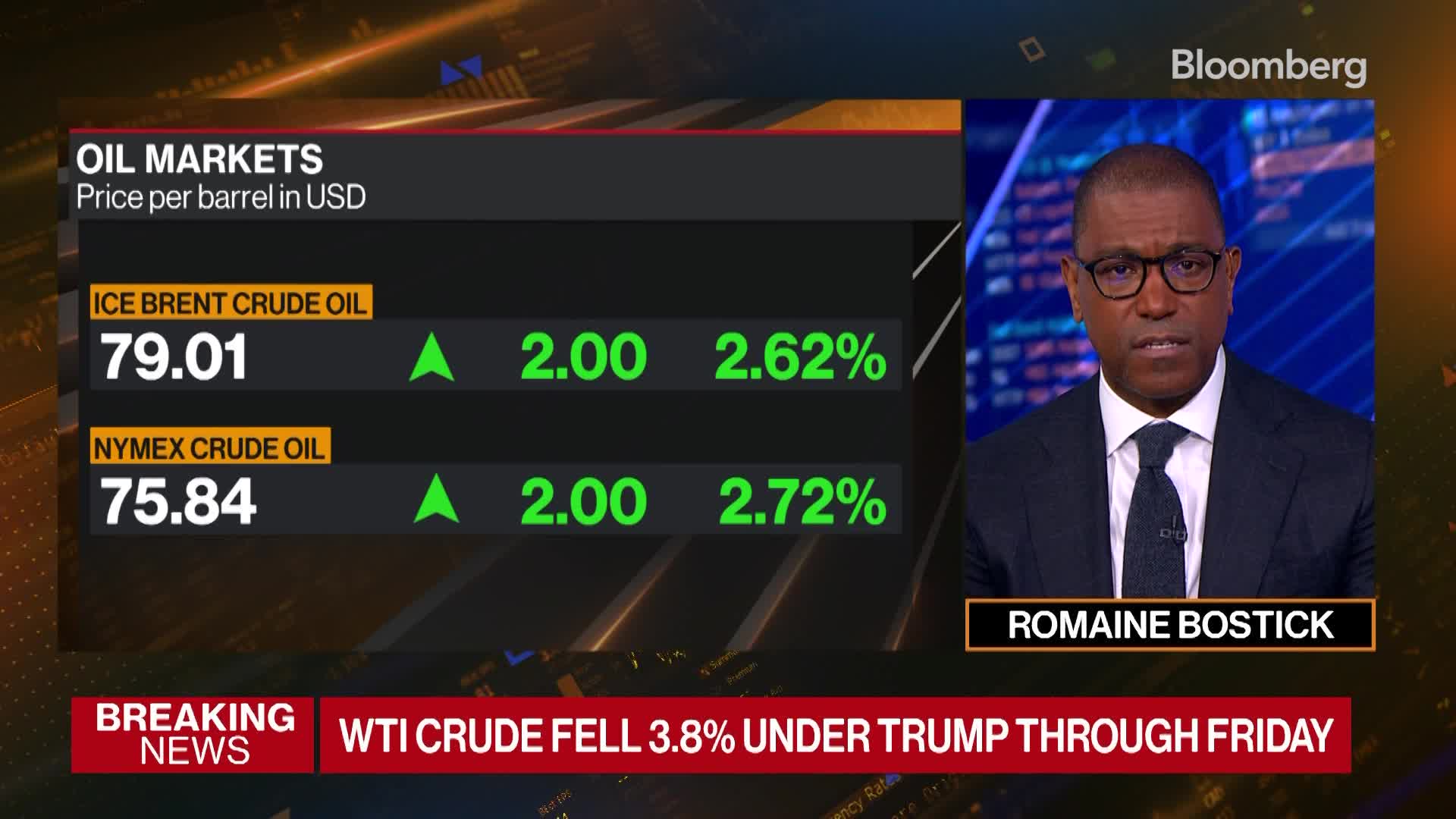
US-Iran tensions are escalating, with President Trump threatening further action if negotiations fail, while officials like Bolton and Issa assert a continued US mission and the right to attack. Amidst this geopolitical standoff, Iran is noted to possess options to leverage its oil resources, signaling potential market implications.
Geopolitical tensions between the United States and Iran are escalating to a critical level, characterized by hawkish rhetoric and direct threats. Commentary from US officials, including President Trump, indicates a readiness for further action if negotiations do not proceed, while figures like Bolton and Issa reinforce the administration's aggressive posture. This standoff carries significant market implications, underscored by a strongly negative sentiment score (-0.6) and a high market impact assessment (0.75). The primary risk channel is the energy market, as the analysis explicitly notes Iran possesses options to 'play the oil card,' signaling a credible threat to global oil supplies. The situation's uncertain and hawkish tone suggests a high probability of increased volatility, with any military escalation likely to serve as a major catalyst for a risk-off event across asset classes.
AI-powered research, real-time alerts, and portfolio analytics for institutional investors.
Request DemoOverall Sentiment
strongly negative
Sentiment Score
-0.60
