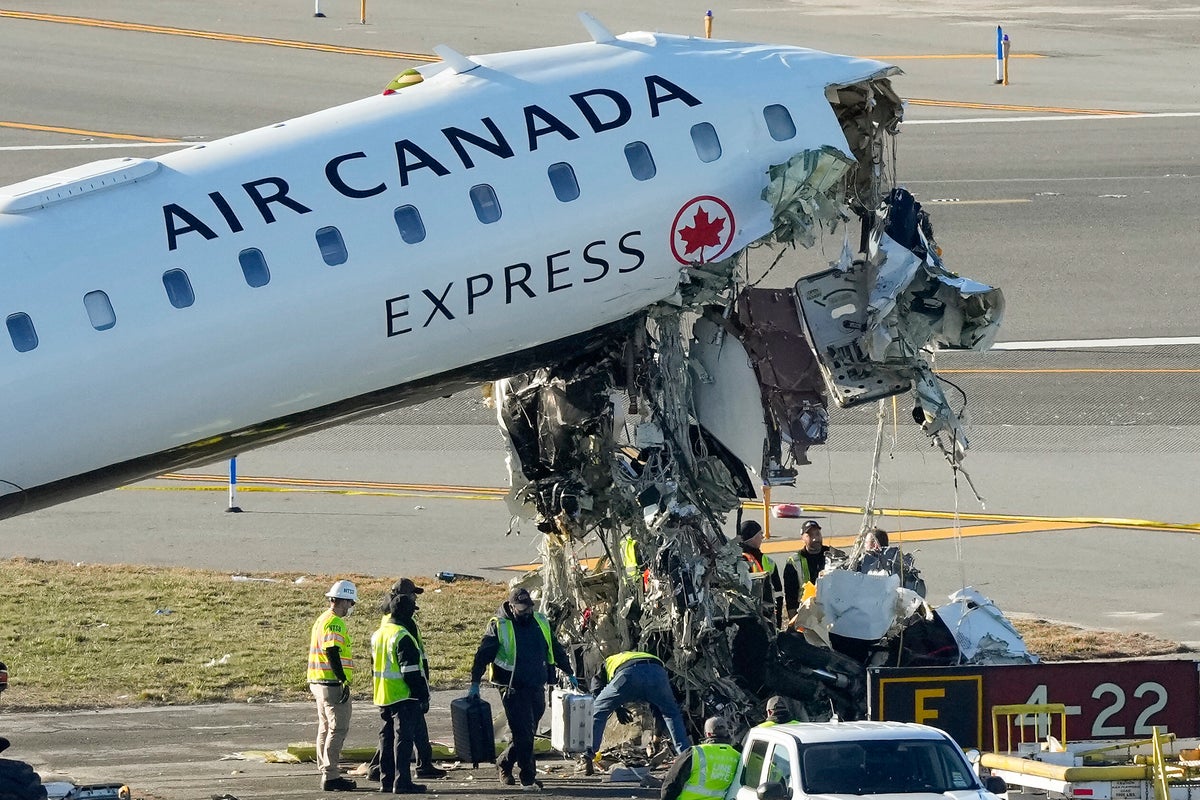
Two people were killed and 43 injured when Jazz Aviation–operated Air Canada Express Flight 8646 (Bombardier CRJ-900) struck a Port Authority fire truck while landing at LaGuardia at ~11:37 p.m. NTSB cockpit audio and tower recordings show simultaneous clearances: the tower cleared Truck 1 to cross Runway 4 while also clearing Flight 8646 to land, a lost radio transmission and lack of a truck transponder contributed, and frantic 'stop' calls came seconds before impact. Expect regulatory scrutiny, safety/procedure reviews and potential legal/operational fallout for the operator and airport authorities; broader market effects likely limited to short-term pressure on the carrier/operator and airport-related services.
Market reaction will front-load stress onto the operator’s equity and short-term liquidity profile via higher insurance costs, accelerated legal accruals and contract renegotiation pressure with regional partners. Expect underwriting repricing at the next policy renewal cycle (within 3–12 months) that could increase combined operating costs by mid-single-digit percentage points for regionally-heavy carriers; that increment compounds with potential cash settlements and defence expenses in the first 12–24 months.
Regulatory and operational knock‑on effects are the larger structural lever: airports and regulators typically respond with mandated tech fixes (vehicle transponders, frequency management upgrades, runway incursion mitigation) that shift capital spend from airlines to airports/authorities and elevate airport operating charges or slot constraints. These changes materially affect marginal regional flying economics — smaller RJs see utilization and residual values pressured if turnaround times and ground access tighten over a 6–18 month window.
Catalysts to watch that will reprice positions are binary and time-staggered: NTSB interim findings (weeks–months) that apportion blame to ATC/airport vs operator; class‑action filings and insurer reserve updates (months); and regulatory mandates or capital improvement programs at key hub airports (6–24 months). The consensus knee‑jerk is to punish the carrier immediately; a durable move requires either clear operator culpability or sustained EPS hits from insurance/legal outcomes.
AI-powered research, real-time alerts, and portfolio analytics for institutional investors.
Request DemoOverall Sentiment
extremely negative
Sentiment Score
-0.90
Ticker Sentiment
