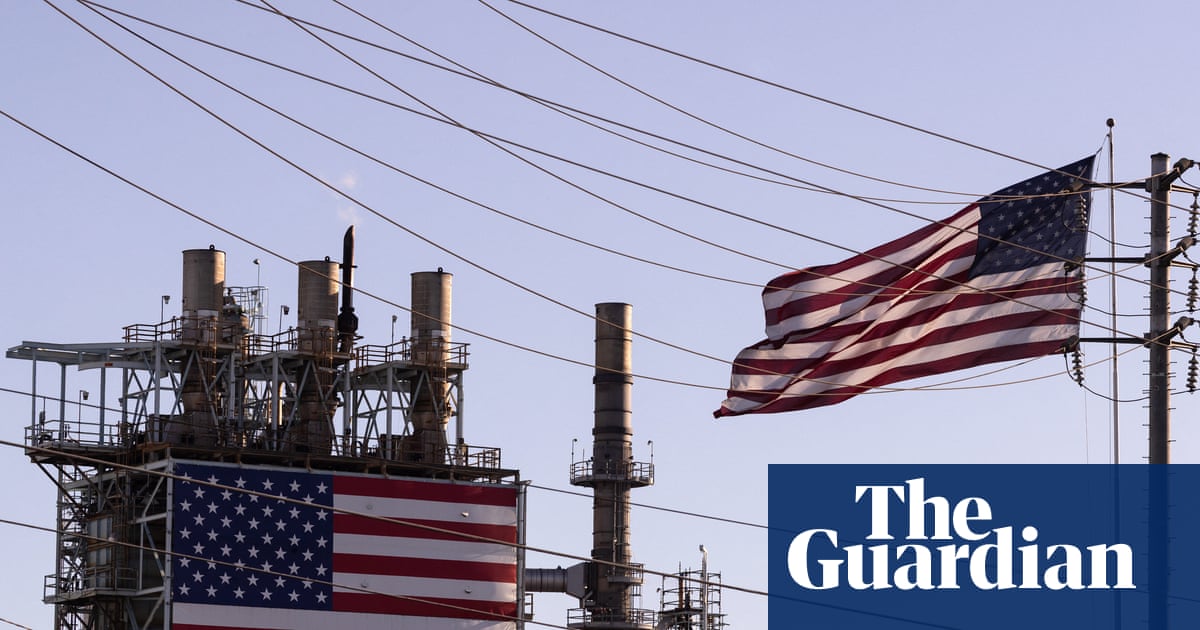
The Iran war has triggered a major energy shock, lifting oil-company profits and US gasoline prices to $4.52 per gallon, the highest since July 2022. ConocoPhillips reported Q1 2026 profit of $2.3B, up 84% from before the war, while Valero posted $1.2B and Liberty Energy $10M; BP and Shell also cited stronger-than-expected results. The article argues the windfall could bolster industry lobbying and slow the energy transition as Trump-era policies and higher fuel prices strengthen big oil’s political position.
The immediate winner set is broader than the obvious upstream names. A sustained price shock tends to lift cash generation first for producers, then with a lag for refiners and oilfield services as budgets are re-opened; the second-order effect is that the firms with the cleanest balance sheets and the least hedging are best positioned to convert a temporary price spike into permanent capital returns. That matters because the market will likely re-rate not just absolute earnings, but the durability of buybacks and dividend capacity over the next 2-3 quarters. The more interesting transmission is political, not operational: higher realized margins increase the industry's ability to fund lobbying exactly when policy is most malleable. That raises the odds that current favorable regulation becomes sticky even if crude retraces, which is why the trade is less about a one-week commodity move and more about a 6-18 month shift in bargaining power between incumbents and electrification/renewables. The renewable transition is not derailed mechanically, but its policy edge can be slowed if capital and attention are pulled back toward fossil fuel supply expansion. The main risk to chasing this is reversal through diplomacy or supply normalization. Any credible de-escalation in the conflict, faster-than-expected rerouting, or politically motivated intervention to suppress retail fuel prices could compress the windfall in a matter of weeks, while the equity market may have already priced in several quarters of earnings upside. Conversely, if gasoline remains elevated for another month, consumer anger becomes a macro variable and increases the probability of a 2028 policy swing, which is a subtle medium-term bearish factor for the sector despite near-term earnings strength.
AI-powered research, real-time alerts, and portfolio analytics for institutional investors.
Request DemoOverall Sentiment
neutral
Sentiment Score
0.05
Ticker Sentiment
