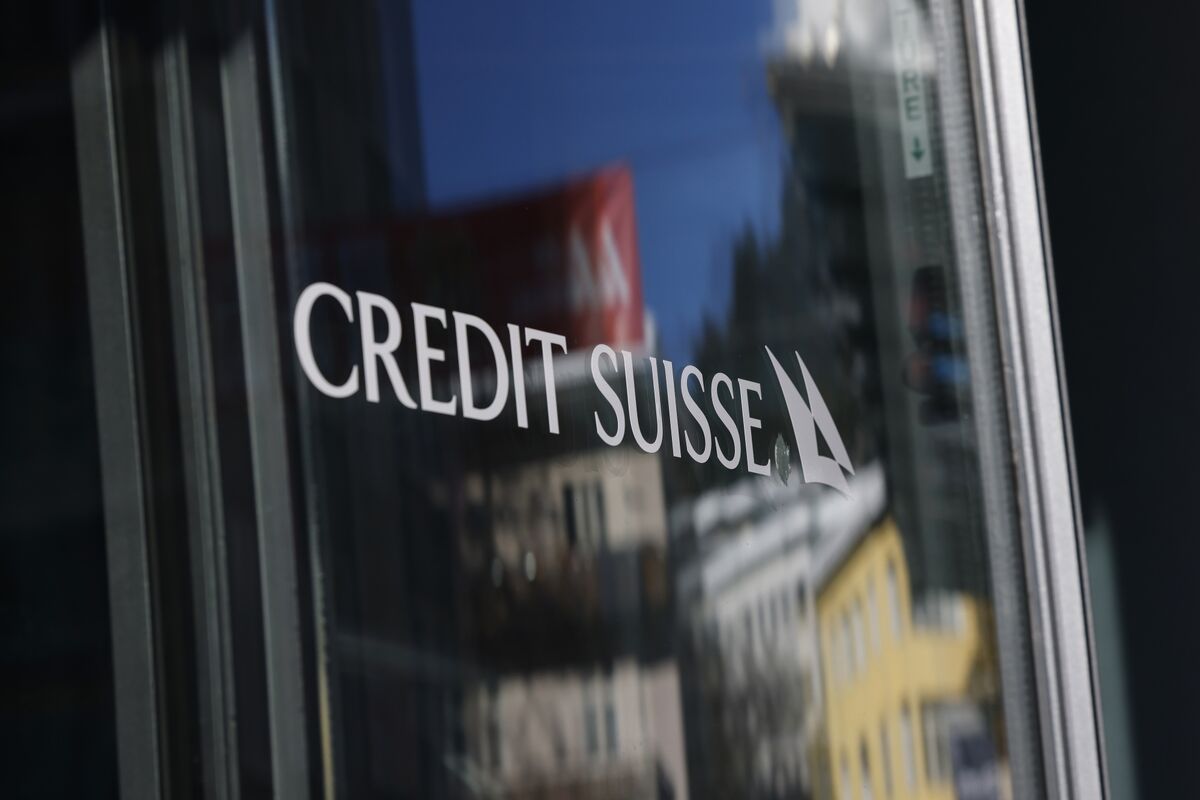
Swiss prosecutors have charged Credit Suisse and its parent UBS with failing to take required organizational measures in 2016 to prevent alleged money laundering tied to suspicious service fees on loans to Mozambique related to the 'tuna-bond' scandal. The allegations concern loans arranged to build a fishing fleet and expose continued legal and regulatory risk for the bank group, with potential fines, remediation costs and reputational damage that could influence investor sentiment and bank valuation despite no financial amounts disclosed in the report.
Market structure: This legal hit directly penalizes UBS (ticker: UBS) via reputational damage, potential fines and higher compliance costs; beneficiaries are non-Swiss global banks and custody/wealth platforms that can capture client flows. Expect upward pressure on funding spreads for Swiss bank paper and widening of UBS senior and subordinated bond yields by 50-200bp if rumors of material penalties persist for 1–3 months. Secondary effects: reduced appetite for EM sovereign financing from European banks and tighter pricing for cross-border syndicated loans to Africa in the next 6–12 months.
Risk assessment: Tail risks include a large fine >$1bn, criminal prosecution exposure, or cascading regulatory capital add-ons that could force asset disposals; contagion risk to Swiss financials is medium but non-zero. Immediate window (days): equity/ CDS knee-jerk widening; short-term (weeks–months): regulatory actions, fines, and rating agency reviews; long-term (quarters–years): permanently higher compliance run-rate (100–200bps of profit margin headwind for affected business lines). Hidden dependencies include legacy Credit Suisse assets still on UBS balance sheet and client flight from wealth units that could reduce fee income by low-double-digit percentages.
Trade implications: Tactical short-UBS exposures (equity or CDS) for 1–3 month horizon are warranted: target 1–3% portfolio short or buy puts (~3m, ~15% OTM) sized to risk 0.5–1% NAV, expecting 20–40% downside under regulatory shock. Pair trade: short UBS vs long JPM (JPM) or HSBC (HSBA/LON) to express regulatory idiosyncrasy; size 1–2% net with reweight if UBS CDS widens >100bp. Reduce overweight in Swiss financial ETFs by 30–50% and rotate into large-cap US banks with CET1 >12%.
Contrarian angles: Consensus may overprice existential risk—Swiss authorities have intervened before and systemic rescue/settlement could cap losses <€1bn, producing sharp rebound; if UBS equity falls >20% quickly, accumulate up to 2–3% as a distressed-recovery play over 6–12 months. Historical parallels: Deutsche Bank legal shocks in 2016–18 where fines were sizeable but franchise value recovered; risk: litigation outcomes can remain binary and protracted, so prefer option structures and pair trades to avoid unilateral exposure.
AI-powered research, real-time alerts, and portfolio analytics for institutional investors.
Request DemoOverall Sentiment
moderately negative
Sentiment Score
-0.55
Ticker Sentiment
