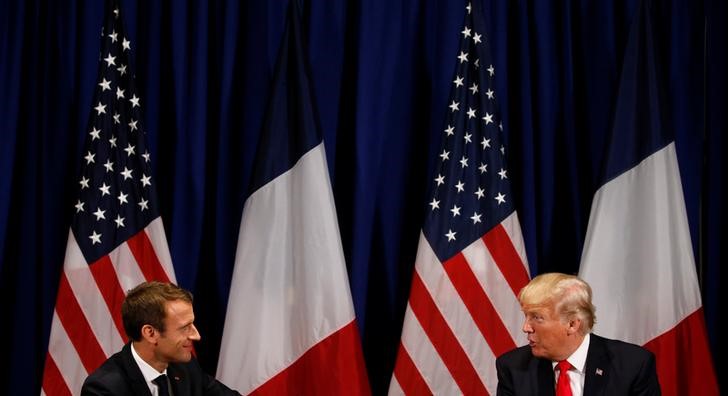
Key event: the Maltese-flagged CMA CGM Kribi became the first Western-linked ship to transit the Strait of Hormuz since late February, a tentative restart of commercial traffic through a passage that carries roughly 20% of global oil flows. The vessel, idle in the Gulf since early March, broadcast French ownership and appears bound for Pointe-Noire after coordination with Iranian maritime authorities. Tensions remain elevated — the report also references a U.S. F-15 shot down over Iran and continued Iranian attacks on commercial vessels — keeping oil and gas prices sharply higher and sustaining shipping and supply-chain risk. Political friction between the U.S. and France and NATO reluctance to intervene increase the likelihood of episodic disruptions despite this one transit.
The recent constrained resumption of transits is a signal, not a clearing event: market participants will price a reduced-but-persistent risk premium into freight, insurance and energy for months. Expect freight spot spreads to remain volatile with a baseline elevation ~10–30% vs pre-crisis levels until we see a multi-week sequence of unescorted, insured transits that restore carrier schedules and reduce rerouting.
A key second-order effect is acceleration of on‑shore and regional inventory and compute investments as C-suite risk teams de-risk supply chains; firms that host AI/compute in local or regional data centers shorten physical supply lines and increase capex predictability. Vendors that sell turnkey on-prem AI servers and systems integration stand to benefit with a measurable pull‑forward in orders over a 6–12 month horizon versus purely cloud-centric peers.
Energy and commodity cashflows will remain the clearest hedge and barometer: spot oil and tanker demand will jump on flare ups and retreat only slowly on diplomatic progress. That asymmetric volatility favors option structures for hedges and selective exposure to businesses with floating or commodity-linked revenues rather than fixed-cost logistics names.
Catalysts to watch: (1) 2–4 week cadence of transits without incident (normalization signal), (2) visible drop in war risk insurance premiums over 30–45 days, and (3) any NATO-led escort announcements which would quickly compress freight and insurance spreads. A rapid diplomatic de‑escalation would reverse the winners within 60–90 days; an escalation would amplify the above trends materially.
AI-powered research, real-time alerts, and portfolio analytics for institutional investors.
Request DemoOverall Sentiment
mildly negative
Sentiment Score
-0.40
Ticker Sentiment
