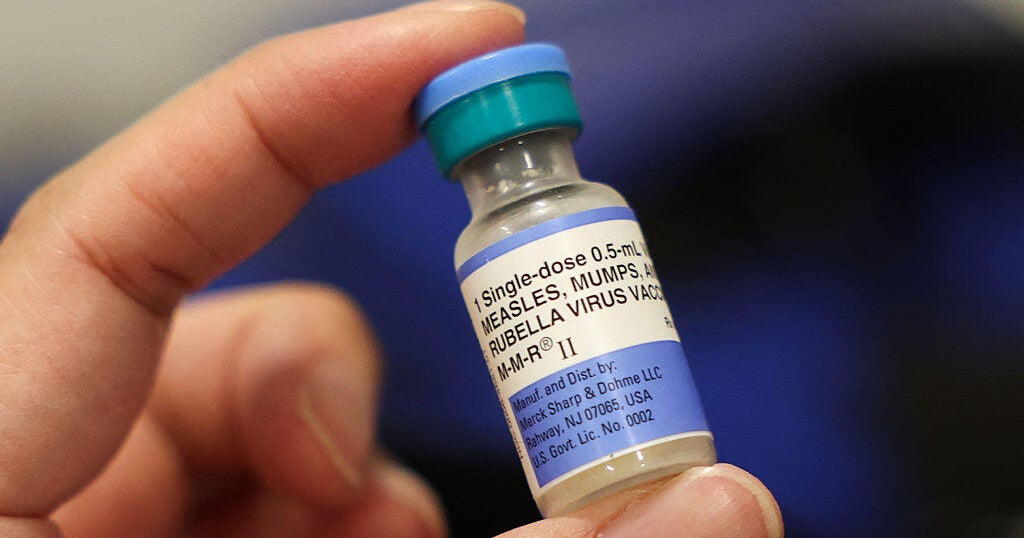
Measles outbreaks have intensified, with South Carolina confirming 27 new cases since Friday (111 cases in two months and more than 250 people quarantined, largely linked to Way of Truth Church) and a growing outbreak along the Arizona–Utah border (Mohave County 172 cases, Southwest Utah 82; statewide totals: Utah 115, Arizona 176), contributing to nearly 2,000 U.S. cases year-to-date and 47 CDC-confirmed outbreaks versus 16 in 2024; a separate January outbreak across Texas, New Mexico and Oklahoma sickened nearly 900 and three deaths have been reported. Health officials attribute the spread mainly to declining vaccination rates, and the Advisory Committee on Immunization Practices has recommended separating MMRV into MMR and varicella shots for children under 4 after an ACIP overhaul, heightening concerns that sustained transmission could jeopardize the U.S. measles-elimination status if it continues for a year.
South Carolina confirmed 27 new measles cases between Friday and Tuesday, bringing a two-month total to 111 with more than 250 people — including students from nine schools — in quarantine; most new cases are linked to exposures at Way of Truth Church. Along the Utah–Arizona border the outbreak has expanded since August with Mohave County reporting 172 cases and Southwest Utah 82; state totals cited are Utah 115 and Arizona 176, contributing to nearly 2,000 U.S. cases year-to-date and 47 CDC-confirmed outbreaks compared with 16 in 2024. Experts attribute spread primarily to unvaccinated populations and falling vaccination rates, and public-health officials warn continuous spread for a year would jeopardize the U.S. measles-elimination status. The ACIP’s recent recommendation to separate MMRV into MMR and varicella for children under 4, made after an ACIP overhaul, and public discussion about rare febrile seizures highlight both a potential short-term change in vaccine administration and a political/regulatory dimension that may affect uptake and trust.
Near-term implications include higher localized demand for vaccination services, contact tracing and quarantine logistics, and potential increases in public-health resource allocation where outbreaks persist. Policy shifts at ACIP and sustained public concern could create asymmetric demand for two-shot regimens, diagnostics and outbreak-response services even as national market impact remains uneven and concentrated in affected regions. Investors should treat the situation as a health-event-driven sector catalyst that raises idiosyncratic opportunities in vaccine delivery and diagnostics while increasing regulatory and reputational risk around pediatric immunization programs.
AI-powered research, real-time alerts, and portfolio analytics for institutional investors.
Request DemoOverall Sentiment
moderately negative
Sentiment Score
-0.50
