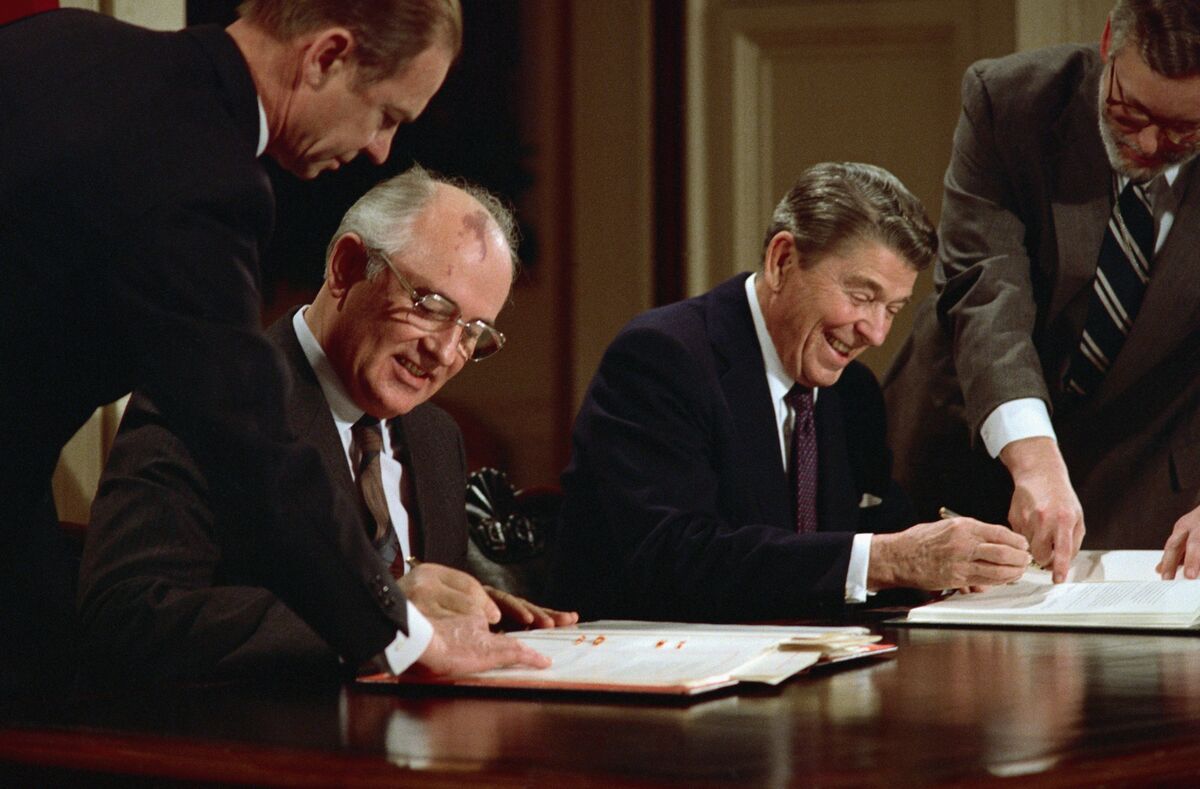
A recent column reflects on the 80th anniversary of the Hiroshima atomic bombing, re-examining the long-standing debate on whether nuclear weapons solely prevented a large-scale conflict between the US and the Soviet Union during the Cold War. The commentary posits a nuanced view, suggesting human decisions played a critical role in averting World War III, challenging the simplistic notion of atomic deterrence as the sole peacekeeper.
The provided text is a geopolitical commentary reflecting on the 80th anniversary of the Hiroshima bombing and its implications for the Cold War. The central thesis posits that the absence of a large-scale conflict between the US and the Soviet Union cannot be attributed solely to the existence of atomic weapons, but rather to human decision-making. This nuanced perspective challenges the simplistic theory of nuclear deterrence as the sole peace-keeping mechanism. The article is historical and philosophical in nature, lacking any direct financial data, corporate mentions, or forward-looking market catalysts. The associated signals confirm this assessment, with a neutral sentiment score of 0.0 and a market impact of zero, indicating no immediate relevance to asset pricing. While the themes are categorized under 'Geopolitics & War' and 'Infrastructure & Defense', the piece serves as a backgrounder on long-term risk frameworks rather than an actionable intelligence brief.
AI-powered research, real-time alerts, and portfolio analytics for institutional investors.
Request DemoOverall Sentiment
neutral
Sentiment Score
0.00
