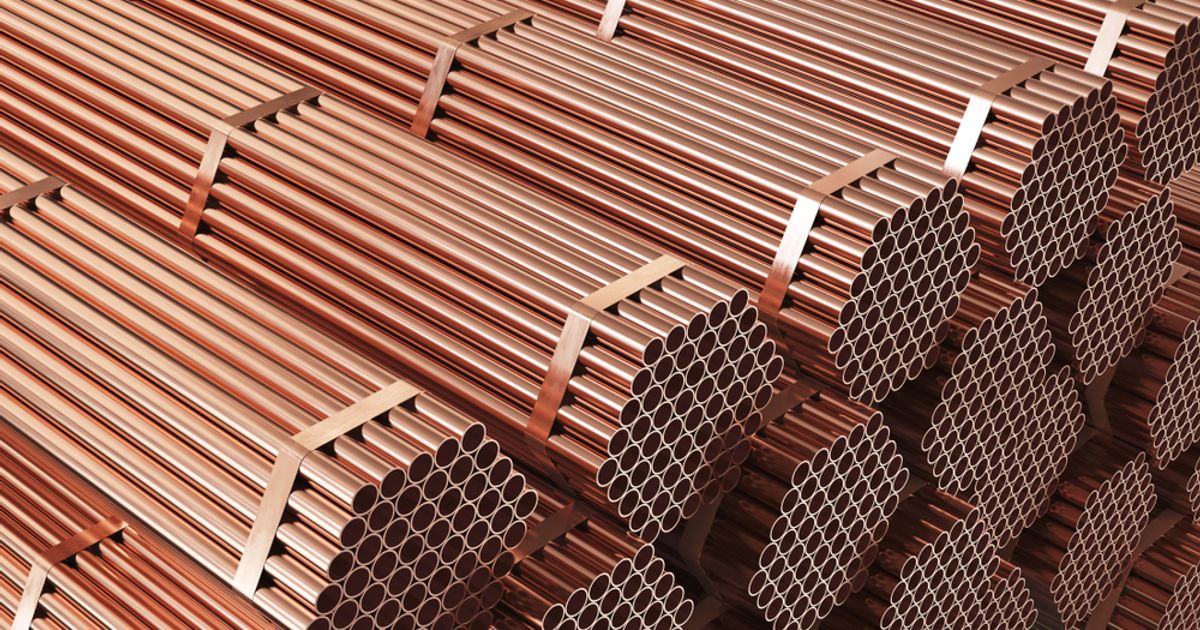
AI hyperscale data centers are dramatically accelerating copper demand and have helped push LME copper to record highs ($11,705/mt, up 32% YTD), with banks forecasting $12,500–$13,000/mt in 2026. A single hyperscale facility can require up to 50,000 tons of copper versus 5,000–15,000 for conventional centers, data centers already consume ~1.5% of global electricity and IEA/Wood Mackenzie project demand to surge (WoodMac +24% to ~43m tons/year by 2035), while the IEA warns of a potential 30% supply deficit as the industry needs ~8m tons of new capacity and >$210bn of investment versus roughly $76bn deployed over the past six years. Given long mine lead times (U.S. average ~19 years, projects like Resolution spanning decades) and copper’s small share of build costs (<0.5%), demand is largely price‑inelastic, implying persistent structural tightness, upside price risk and clear investment implications for miners, suppliers and infrastructure-related plays.
AI-driven hyperscale data centers are materially increasing copper demand: a single hyperscale facility can require up to 50,000 tonnes of copper versus 5,000–15,000 tonnes for conventional centers, and London Metal Exchange copper recently hit a record $11,705 per metric ton, up 32% year-to-date. Major banks are bullish, with JPMorgan forecasting $12,500/mt by Q2 2026 (about $12,075 average for 2026) and UBS projecting $13,000/mt by end-2026, underscoring consensus for continued near-term upside.
Supply-side constraints are structural rather than cyclical. The IEA warns of a potential 30% supply deficit by 2035 while Wood Mackenzie sees demand rising ~24% to ~43 million tonnes/year by 2035, requiring roughly 8 million tonnes of new capacity and over $210 billion of investment versus ~$76 billion deployed over the past six years; US mine lead times average ~19 years and examples like Arizona’s Resolution project illustrate multi-decade development timelines.
Economic characteristics intensify price pressure and lower demand elasticity: WoodMac estimates copper accounts for <0.5% of data-center project costs, meaning buildouts are largely indifferent to higher metal prices. The combination of rapid, inelastic demand growth, long supply lead times and consensus bullish forecasts implies persistent structural tightness, elevated upside risk to prices, and differentiated opportunities across existing producers, near-term projects and infrastructure suppliers, while policy, permitting and capital constraints remain key downside risks.
AI-powered research, real-time alerts, and portfolio analytics for institutional investors.
Request DemoOverall Sentiment
strongly positive
Sentiment Score
0.75
Ticker Sentiment
