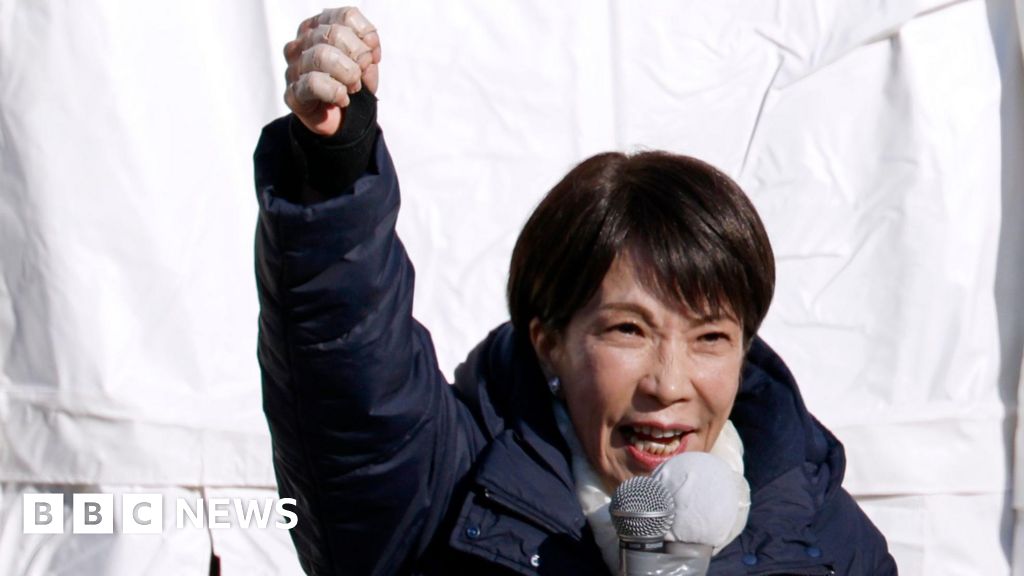
Prime Minister Sanae Takaichi has called a surprise snap general election to convert her strong personal approval ratings (polls cited in the mid-50s to high-60s, occasionally into the 70s) into a parliamentary majority—233 seats are needed for control—largely to secure budget committee leadership and pass the fiscal 2026 budget with limited opposition scrutiny. Markets should monitor heightened geopolitical risk after her hawkish Taiwan comments that worsened ties with China, persistent cost-of-living pressures (including a mid‑2025 rice-price spike), a weak yen and stagnant wages; a clear mandate could enable more assertive defence and fiscal moves that may raise economic and FX volatility.
Market structure: A decisive LDP win driven by Takaichi’s personal popularity favors defense, security services, construction/infra and large exporters (currency benefit) while hurting China-exposed sectors (tourism, retail tied to Chinese tourists) and anything reliant on bilateral trade normalization. Expect incremental fiscal loosening (near-term stimulus/tax tweaks) that raises JGB supply expectations and keeps upside pressure on yields; a 1–3% near-term weakening of JPY vs USD is a realistic base case if markets price a more hawkish, pro-US Tokyo. Equity leadership should rotate from domestic-consumption names to defense, industrials and exporters if the mandate is clear.
Risk assessment: Tail risks include a Sino-Japan escalation (trade curbs, tourism collapse) that could knock 5–15% off Japan GDP-sensitive sectors and push USD/JPY toward 155–160 in a flight-to-safety/FX disruption; conversely a surprise conciliatory diplomatic turn would re-rate China-exposed cyclicals. Time horizons: immediate (days) for election-result volatility; 1–3 months for JPY and equity sector rotation; 6–18 months for fiscal/defense budget implementation and structural labour/immigration effects. Hidden dependency: Komeito/coalition math and Tokyo-US signals—if US backing softens or Komeito influence returns, fiscal and defense outcomes change materially.
Trade implications: Tactical: favor unhedged Japan equity exposure (EWJ or Nikkei futures) for a 1–3 month pop post-majority; buy USD/JPY directional exposure via FXY or 3-month call spreads to capture 2–5% JPY weakness. Defensive: shorten JGB duration or short 10Y JGB futures if fiscal easing is confirmed and BOJ policy tightens; size positions to 1–3% risk budget with stop-losses at 3–5% adverse moves. Pair trades: long Japanese defence contractors (e.g., 7011.T) vs short Japan tourism/travel operators (e.g., 9201.T/9603.T) over 3–12 months.
Contrarian angles: Consensus may overstate permanence of the personal mandate—historical snap-call risks (Ishiba 2024) show popularity can evaporate as economic reality bites; a large LDP majority could reduce scrutiny and raise corruption/regulatory tail risk, triggering re-rating. Mispricing likely in JGB duration (investors complacent); also watch for a snap rebound in yen if export headwinds or risk-off emerges—cut longs if USD/JPY breaches 155 or Nikkei rallies >12% from pre-election levels without earnings revision. Monitor China travel advisories and Trump-Xi summit outcomes as primary catalysts that can reverse trades within 30–90 days.
AI-powered research, real-time alerts, and portfolio analytics for institutional investors.
Request DemoOverall Sentiment
mildly negative
Sentiment Score
-0.25
