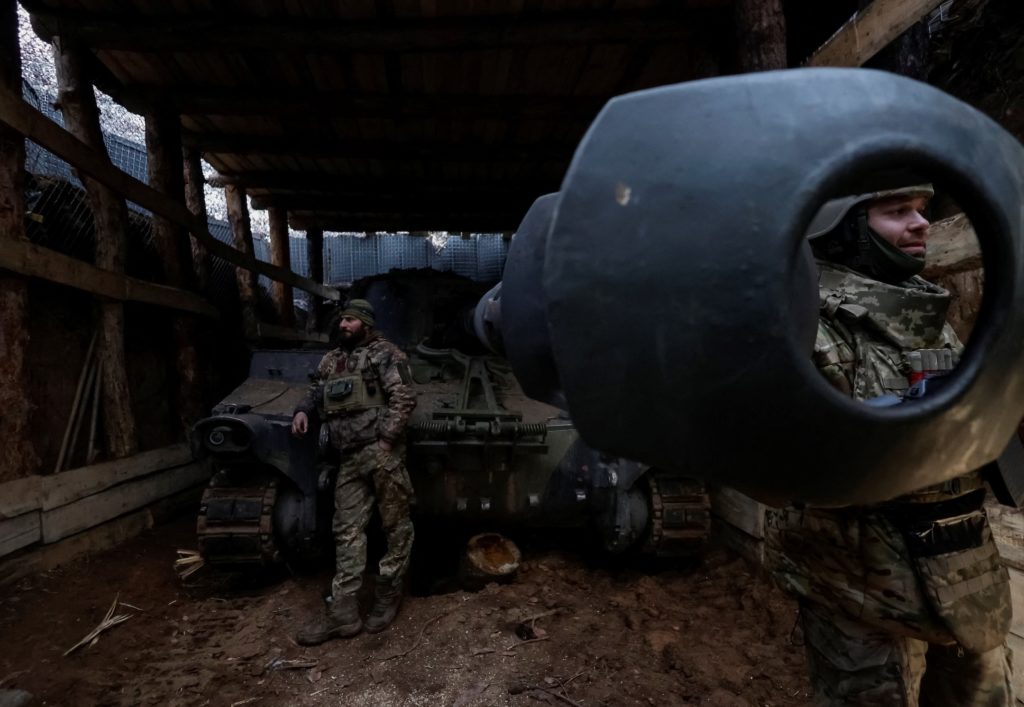
Overnight Russian strikes hit Odessa port facilities, killing eight and wounding 27, while Moscow reports seizing additional villages in Donetsk and Sumy amid stalled ceasefire prospects and diplomatic talks in Miami. The Israeli military struck a Gaza City school sheltering displaced people, killing seven, and U.S. Central Command released footage of strikes on more than 70 targets in Syria in retaliation for an ambush that killed two U.S. troops and an American interpreter, with Jordan participating in the operation. These developments increase regional geopolitical risk that could pressure shipping and commodity flows from the Black Sea and raise short-term risk premia across energy and defense-sensitive assets.
Market structure: Escalation in Ukraine and regional strikes create clear near-term winners — defense primes (Lockheed LMT, Northrop NOC, Raytheon RTX, ETF ITA) and commodity exporters — and losers — airlines (AAL, UAL), port operators, and European/EM cyclical assets. Expect immediate moves: oil +3–8% and grain volatility on Black Sea disruptions, USD up ~0.5–1%, 10y UST yields down 10–30bp in a flight-to-quality; credit spreads for EM and high-yield corporates can widen 50–150bp if sanctions expand.
Risk assessment: Tail risks include broader NATO entanglement or maritime blockades that would push oil >+15% and trigger stagflation; secondary sanctions on banks/insurers could freeze counterparties for weeks. Time horizons: days—headline-driven commodity & FX spikes; weeks–months—defense contract re-pricing and supply-chain reshoring; quarters—permanent budget reallocation. Hidden dependencies: insurance/reinsurance, shipping rerouting, and grain export logistics (grain corridor closure → food inflation).
Trade implications: Tactical long defense exposure and commodity hedges now, paired with tactical protection on travel/ports. Use ETF-based execution (ITA, XLE, GLD) and options to control downside: buy puts on US airlines and call spreads on defense names to balance cost. Monitor VIX, Brent ($75/$85 thresholds), and ceasefire signals as primary triggers for re-rating over 2–12 months.
Contrarian angles: Consensus benefits primes; markets may overpay for headline winners while ignoring small-cap defense suppliers and cyber/security firms (PANW, CRWD) with higher growth and less cyclicality. If ceasefire materializes within 30–60 days, oil and gold could retrace 10–20% — so prefer option-defined upside (call spreads) over outright longs and be ready to rotate into beaten-down consumer discretionary and Europe on de-escalation.
AI-powered research, real-time alerts, and portfolio analytics for institutional investors.
Request DemoOverall Sentiment
strongly negative
Sentiment Score
-0.60
