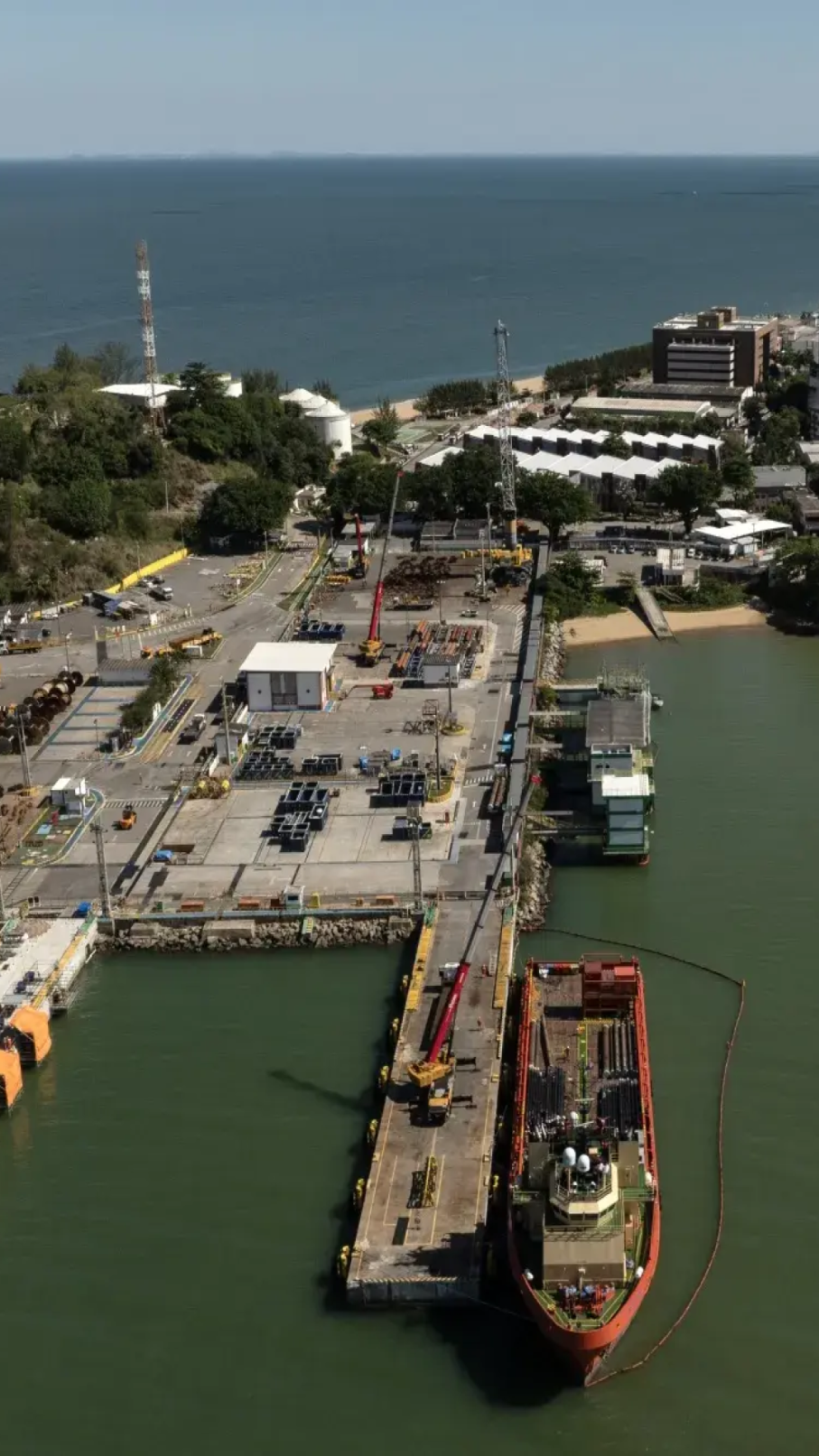
Brazil, positioning itself as a climate leader and host of the upcoming COP30 conference near the Amazon, is concurrently advancing a contentious offshore oil exploration project in the same region. This duality highlights the profound economic and political challenges the nation, and the world, face in decarbonizing and transitioning away from fossil fuels.
Brazil is pursuing a dual-track strategy that presents a significant contradiction between its climate ambitions and its economic policies. By choosing a city near the Amazon to host the COP30 climate conference, the nation is publicly burnishing its credentials as an environmental leader. Simultaneously, its national oil company is advancing a contested offshore exploration campaign in the same region, underscoring a continued reliance on fossil fuel extraction. This policy dichotomy, reflected in the neutral sentiment signal, highlights the profound challenge faced not only by Brazil but also by other resource-dependent nations: reconciling stated decarbonization goals with the economic and political imperatives of energy production. The situation creates inherent tension and potential ESG risks, as the government's actions appear to conflict with its high-profile environmental commitments, a dynamic critical for investors assessing the country's long-term stability and policy direction.
AI-powered research, real-time alerts, and portfolio analytics for institutional investors.
Request DemoOverall Sentiment
mixed
Sentiment Score
0.00
