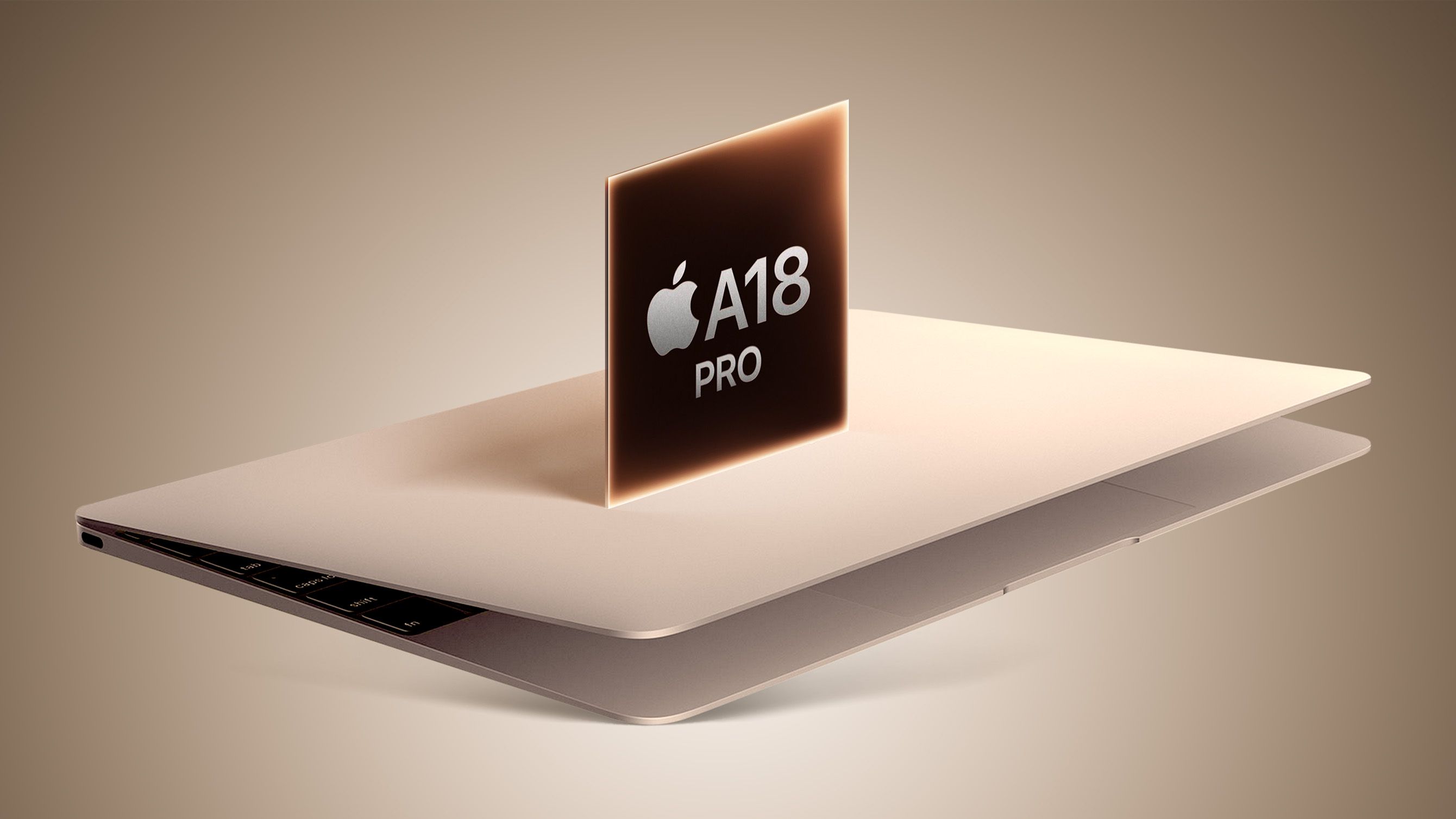
TrendForce reports Apple plans a 12.9‑inch, entry- to mid‑range MacBook for March–April 2026 with competitive pricing likely between $599 and $899 (most likely $699 or $799). The laptop is expected to use an A18 Pro variant (6‑core CPU, 6‑core GPU, 16‑core Neural Engine), likely start with 8GB of RAM and omit Thunderbolt support (regular USB-C only), positioning it as a lower-cost alternative potentially replacing older M1-based MacBook Air SKUs. Supply‑chain sources including Ming‑Chi Kuo and DigiTimes have echoed screen-size and chip reports; while the product could affect Apple’s product mix and pricing dynamics in consumer PCs, the announcement is incremental and unlikely to be materially market‑moving on its own.
Market structure: A sub-$900 12.9" MacBook priced at $599–$899 targets the large low-end laptop TAM and will directly benefit Apple (AAPL) via unit growth and accessory/service attach while pressuring entry-level Windows OEMs (HPQ, DELL) and Chromebook makers. Expect downward ASP pressure for Apple’s Mac line but higher share gains in education/consumer segments; component winners include TSMC (TSM) and display suppliers for 12.9" panels, while Thunderbolt accessory vendors could lose volume. Cross-asset: modest positive for AAPL equity and TSM; corporate bonds unchanged; USD/FX moves limited but elevated iPhone/Mac volumes slightly raise demand for copper/aluminum and display substrates over 6–18 months.
Risk assessment: Tail risks include severe cannibalization of higher-margin MacBook Air (reducing gross margin), supply-chain disruption in Taiwan/China, or poor consumer reception because of 8GB RAM/limited ports; probability ~10–15% but impact high (EPS downgrade >5–8% in a year). Near-term (0–3 months) sentiment swings around announcements; medium-term (3–12 months) realized mix shift into lower ASPs; long-term (12–36 months) depends on unit economics and ecosystem lock-in. Hidden dependencies: carrier/reseller discounting (WMT, AMZN) and developer/performance perceptions could materially limit adoption.
Trade implications: Favor a measured overweight in AAPL (2–4% net long) and a tactical long on TSM (1–2%) to capture fab revenue; short selective exposure to low-margin OEMs (HPQ, DELL) totaling 1–2% net short as a hedge. Use options to cap drawdown: buy May/June 2026 call spreads on AAPL 10–15% OTM (cost <2% portfolio allocation) ahead of Mac event; consider 3–6 month protective collars if long OEM shorts. Rotate modestly into Tech Hardware and underweight legacy PC suppliers over next 6–12 months while trimming retailers only if discounting intensifies.
Contrarian angles: Consensus focuses on unit growth but underestimates gross-margin dilution and potential brand dilution from a very low-priced Mac — this could compress Mac segment margins by 200–400bps if mix shifts >10% of units to the new model. Historical parallel: Apple’s iPhone SE and iPad mini expansions lifted unit share but reduced blended ASPs; if Apple repeats aggressive discounting via WMT/AMZN, AAPL upside may be capped. Unintended consequence: fragmented product lines could increase return rates and service costs, a negative for gross margins over 12–24 months.
AI-powered research, real-time alerts, and portfolio analytics for institutional investors.
Request DemoOverall Sentiment
neutral
Sentiment Score
0.12
Ticker Sentiment
