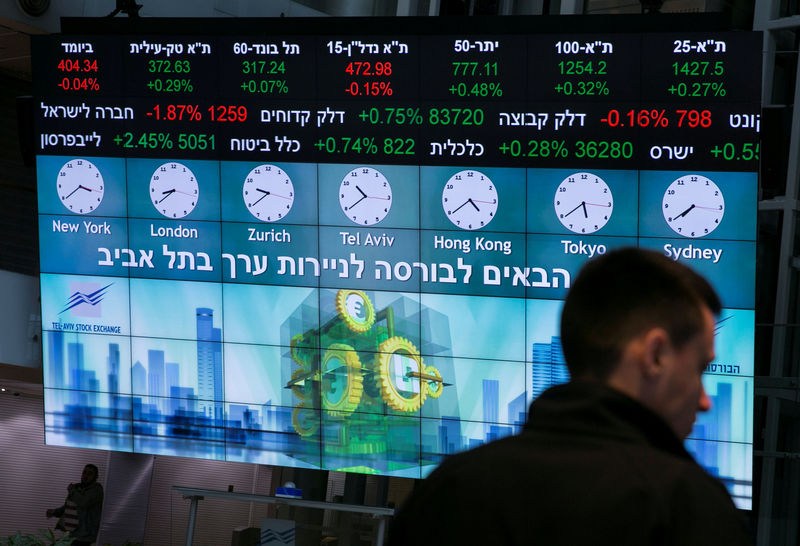
Israel's TA 35 fell 0.44% as oil and gas, technology, and biomed stocks led declines, with losers outnumbering gainers 186 to 302. NICE plunged 18.80%, while Melisron rose 5.14% to an all-time high and Dimri gained 4.61%. Crude oil dropped 7.01% to $95.10 and Brent fell 7.23% to $101.93, alongside a 1.03% decline in USD/ILS to 2.90.
The market is treating this as a classic de-escalation shock, but the bigger implication is a repricing of geopolitical risk premia across everything tied to freight, inflation, and the dollar. A meaningful reduction in energy volatility compresses hedging demand and improves forward multiples for duration assets; that is a headwind for upstream cash flows but a tailwind for rate-sensitive real assets and secular growth, especially where financing costs are still the binding constraint. For Israel specifically, the move is less about the index level and more about factor rotation: energy and defense-linked names lose the most immediate fear premium, while domestically leveraged property names can outperform on lower import inflation and a softer USD/ILS. The sharp downside in NICE looks idiosyncratic, but in a risk-off tape with rates/FX support, software with slower top-line acceleration tends to derate faster than the market expects; that creates follow-through risk for the broader Israeli tech basket if investors use this as a signal to de-risk growth exposure. The contrarian angle is that a Hormuz reopening narrative is not binary bullish: if the market starts pricing a durable supply normalization, oil could overshoot lower before physical fundamentals fully adjust, forcing a fast unwind in energy longs. The second-order effect is that lower crude reduces near-term inflation expectations, which can loosen financial conditions enough to keep the equity bid alive even as commodity leadership fades. The key timing window is days to weeks for the macro factor rotation, versus months for the fundamental re-rating in real estate and software. I would not chase the first move in oil; the better setup is to fade energy strength on any bounce and rotate into beneficiaries of lower input costs and lower rates. The clearest risk is that headlines reverse quickly and reintroduce a geopolitical premium, so positions should be structured with limited upside but defined downside.
AI-powered research, real-time alerts, and portfolio analytics for institutional investors.
Overall Sentiment
mildly negative
Sentiment Score
-0.15
Ticker Sentiment
