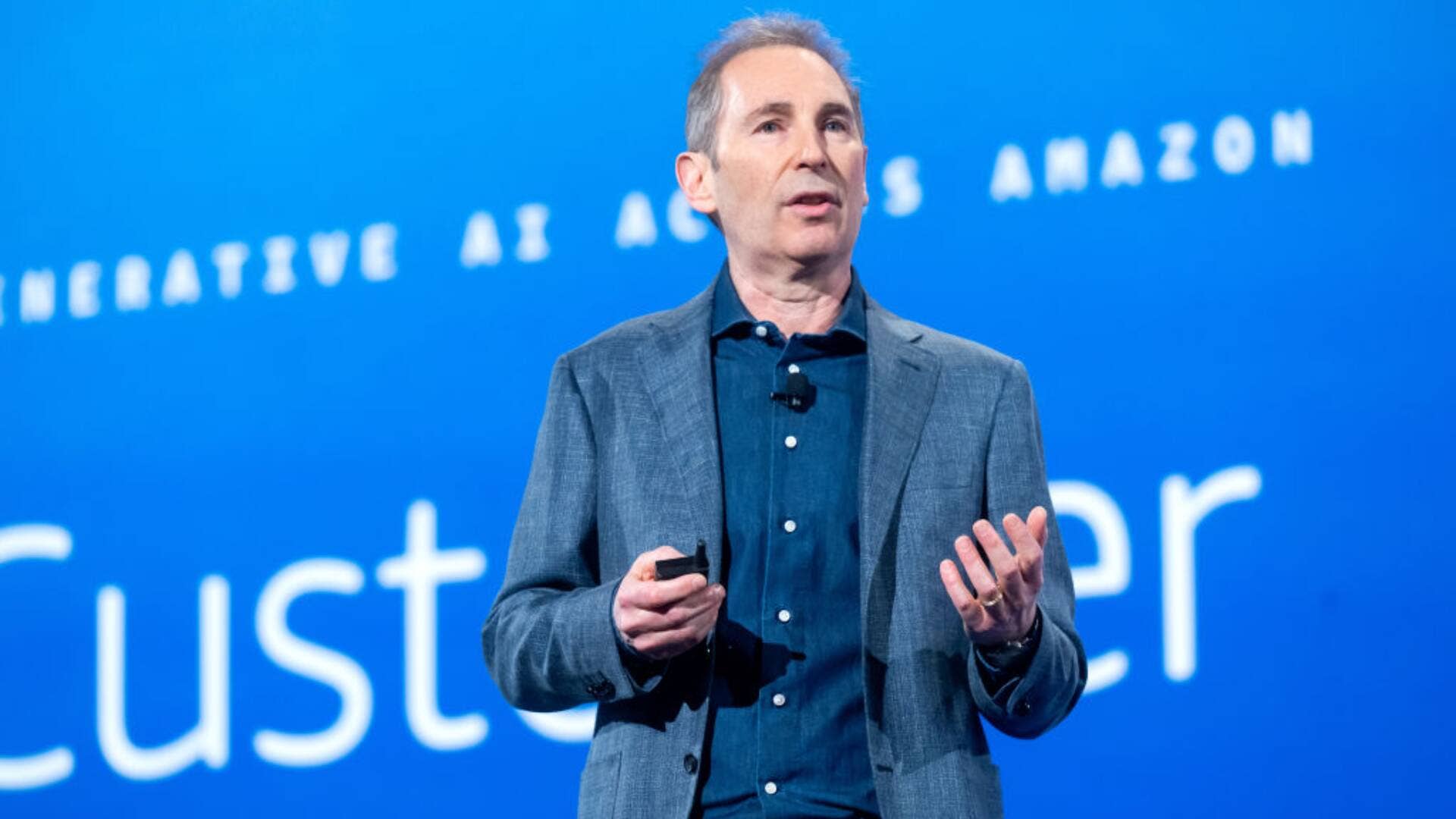
Amazon's strategic update to its robots.txt file, restricting third-party AI crawlers from scraping its marketplace data, signals a significant 'data lock-in' move intensifying the AI turf war among Big Tech. This action aims to protect Amazon's valuable retail-media moat, forcing rivals to incur higher development costs for shopping-grade AI and accelerating the industry's shift towards closed ecosystems. The move underscores the escalating competitive dynamics in the AI arms race, characterized by increasing platform control, capex, and talent battles.
Amazon (AMZN) is escalating the AI turf war by strategically restricting access to its marketplace data, a move characterized as 'data lock-in'. By updating its robots.txt file to block AI crawlers from competitors like Google and Meta, Amazon aims to protect its valuable proprietary data on products, pricing, and reviews, thereby defending its core retail-media moat. This action occurs within a fiercely competitive landscape where hyperscalers are projected to invest $300-$350 billion in AI/data-center capex in 2025, potentially rising to $400 billion in 2026. This spending race creates significant barriers to entry and benefits key suppliers like Nvidia (NVDA), which reported robust Q2 FY26 sales of $46.7 billion, a 56% year-over-year increase. Amazon's data blockade directly increases development costs for rivals attempting to build shopping-grade AI and hinders platforms like Google's AI Overviews, which have already reportedly caused a 1-25% drop in referral traffic for some publishers. The move signifies a broader industry shift toward closed ecosystems, where control over proprietary data is becoming a critical competitive advantage.
AI-powered research, real-time alerts, and portfolio analytics for institutional investors.
Overall Sentiment
mixed
Sentiment Score
0.00
Ticker Sentiment
