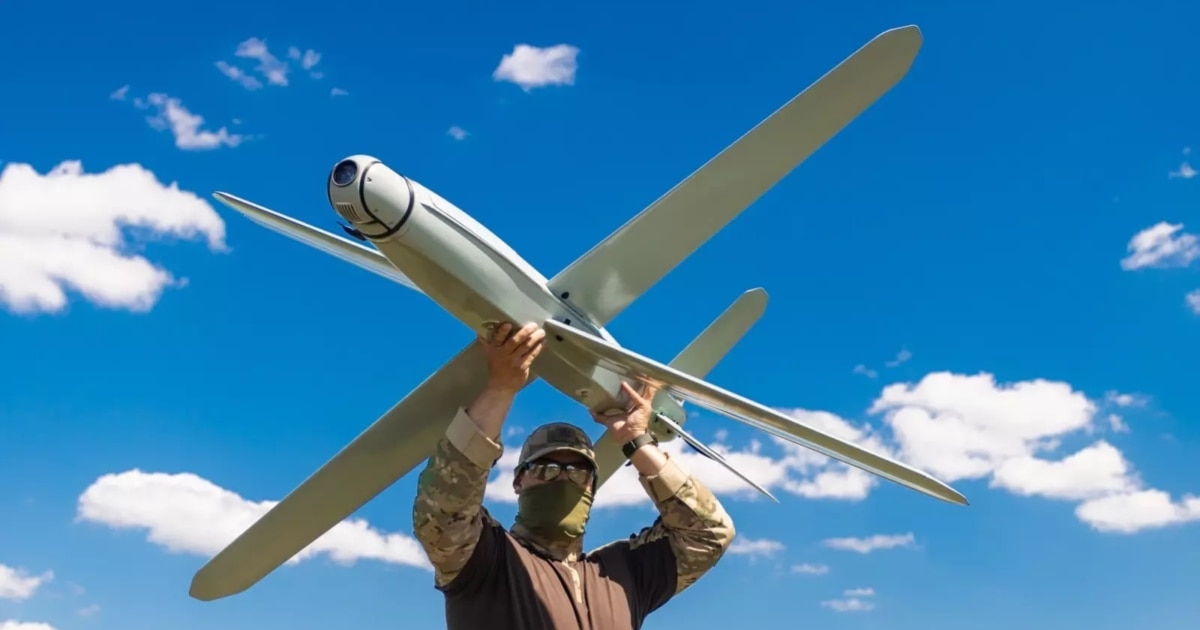
Mass-scale cheap drone attacks are stressing U.S. air defenses and supply lines; using $4.5M Patriot interceptors to shoot down ~$500K Shahed drones is described as economically unsustainable. Ukraine is pitching battlefield-validated, layered air-defense solutions (interceptor drones, acoustic sensors, EW and integration/training) and warns U.S. Patriot stockpiles have been drawn down, potentially limiting near-term deliveries to Ukraine. Implication for portfolios: increased demand and opportunity for counter-drone, electronic-warfare and layered-defense suppliers, offset by procurement uncertainty and potential shifts in U.S. defense stockpile allocations.
The battlefield lesson that cheap, massed drones break the unit-economics of legacy interceptors is accelerating a structural bifurcation: sustained demand for high-end interceptors and AESA radars (slow, high-dollar replenishment) coexists with explosive demand for low-cost kinetic interceptors, C‑UAS suites, passive sensors and distributed C2 that can be fielded quickly. Expect procurement timelines to split: large missile buys drive multi-year contracts and political negotiation, while counter‑UAS buys are procurement-by-need with 3–12 month fulfillment cycles, favoring nimble suppliers and contract manufacturers.
A second-order supply effect is critical: microelectronics (RF front-ends, MEMS IMUs, imaging sensors) become choke points. Western export controls that pressure adversary sourcing will also push allied procurement toward a narrower set of trusted vendors, increasing pricing power for a handful of component suppliers and lengthening lead times for small-integrator outfits that previously used open-market parts.
Catalyst timing is layered: near-term (0–6 months) volatility driven by US stockpile statements and MENA conflict spikes; medium (6–24 months) when production ramps materially raise revenue for fast movers; long-term (2–5 years) a regime shift toward integrated, software-defined layered air defense where recurring software and training revenues matter more than single-shot missile unit sales. The crowd underestimates the margin mix change — software, training, and C2 subscriptions will become a larger, more stable revenue stream than one-off missile replenishments.
AI-powered research, real-time alerts, and portfolio analytics for institutional investors.
Request DemoOverall Sentiment
mildly negative
Sentiment Score
-0.20
