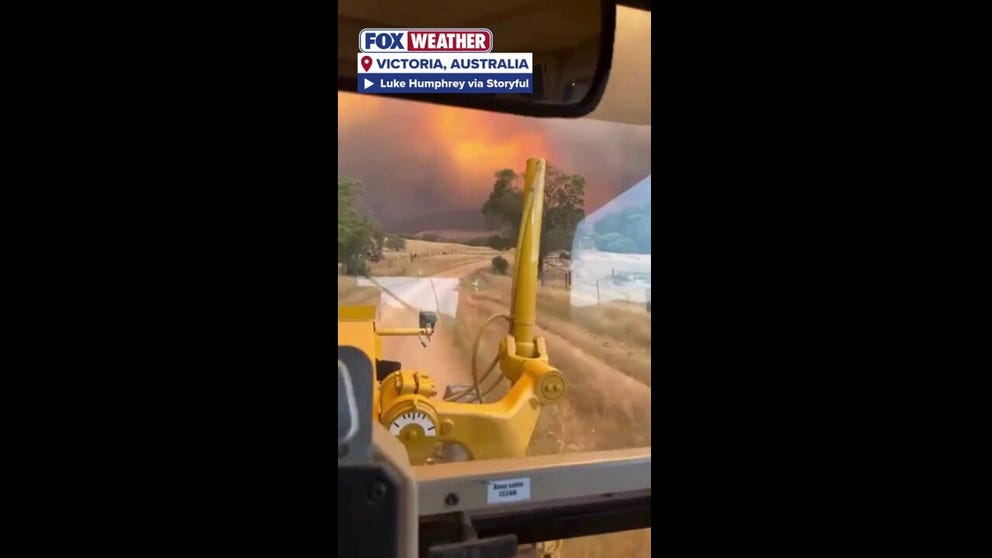
Widespread bushfires in Victoria, Australia—including a large blaze near Mount Lawson and Longwood—have burned roughly 247,000 acres (100,000 hectares), prompted catastrophic fire warnings across Wimmera, Northern Country and North Central districts, issued mandatory evacuations for several towns and resulted in at least one confirmed death. Hot, dry and windy conditions have driven rapid spread, a total fire ban for parts of Victoria and immediate shelter/evacuation orders, creating short-term risks to local infrastructure, agriculture, tourism and insurance exposures that investors should monitor for regional economic disruption and loss-related claims.
Market structure: Immediate winners are building-materials and restoration services (regional demand could lift prices for timber, cement and insulation by 5–15% locally over 3–12 months), while primary losers are domestic property insurers and regional hospitality/tourism operators facing near-term revenue loss. Reinsurance brokers (AON, MMC) gain commercial leverage into the next renewal cycle as capacity tightens; reinsurers absorb short-term losses but can reprice into H1 renewals. Cross-asset: expect a brief AUD sell-off of ~0.5–1% if risk-off persists, a flight-to-quality into Australian sovereign bonds (yields down ~5–15bps intraday), and elevated implied volatility for insurer equities and options for 30–90 days.
Risk assessment: Tail risks include a catastrophic industry loss requiring capital raises (insurer reserve shortfalls >AUD 1bn) or regulatory mandates increasing claim reserves within 3–6 months. Immediate horizon (days): operational disruptions and local supply-chain shocks; short-term (weeks–months): claims build and margin pressure for insurers; long-term (quarters–years): higher reinsurance rates and capex into fire mitigation. Hidden dependencies: crop and timber export supply impacts could lift commodity prices seasonally; political stimulus timing (disaster relief packages) will materially alter insurer net claims. Key catalysts: heavy rain (risk-off reversal) or government/industry loss estimates >AUD 500m accelerating selling in insurer names.
Trade implications: Tactical longs on ASX building-materials (CSR.AX, JHX.AX) for 6–12 months; tactical hedges or puts on insurer names (IAG.AX, SUN.AX, QBE.AX) for 30–90 days sized to expected claim shock. Pair trades: long CSR.AX vs short IAG.AX to capture reconstruction upside vs underwriting pain. Options: buy 60–120 day puts on IAG.AX (or straddles on QBE.AX) to capture volatility spikes; size Vega exposure to 0.5–1.5% of portfolio.
Contrarian angles: The market may overestimate permanent underwriting damage and underprice reconstruction demand; if post-fire loss estimates remain <AUD 300–400m, insurers could rebound quickly while building-materials re-rating persists. Historical parallels (2019 Black Summer) show insurer drawdowns often overshoot by 15–30% then recover over 6–12 months as reinsurance adjustments and premium resets occur. Unintended consequence: aggressive shorting of insurers risks being squeezed if regulators force premium increases or government backstops appear.
AI-powered research, real-time alerts, and portfolio analytics for institutional investors.
Request DemoOverall Sentiment
moderately negative
Sentiment Score
-0.40
