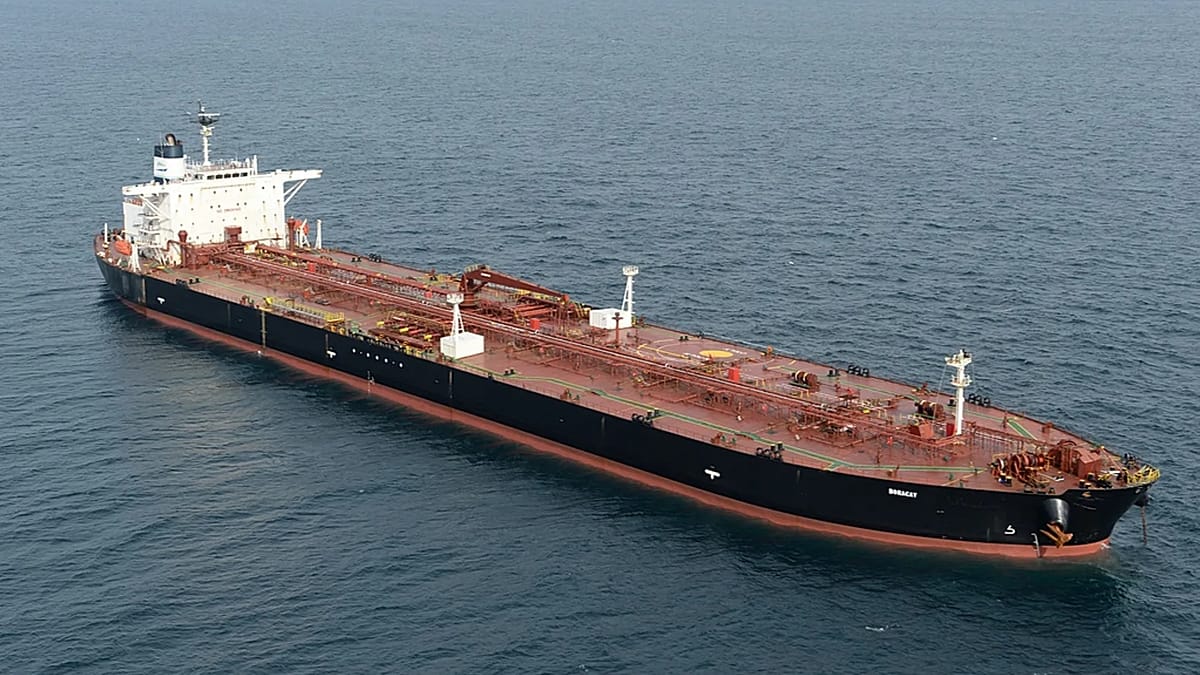
An overnight sea-drone strike forced suspension of operations at the Caspian Pipeline Consortium (CPC) marine terminal in Novorossiysk—which handles roughly 80% of Kazakhstan's oil exports—prompting Kazakhstan to activate plans to reroute shipments. The incident followed separate drone attacks on two sanctioned tankers (Kairos and Virat) in the Black Sea, one of which exploded; Ukrainian sources claimed use of domestically produced Sea Baby naval drones and estimated the oil at stake at just over €60m. The strikes heighten near-term disruption risk to regional crude flows, exacerbate geopolitical risk premia on energy markets and pose direct economic damage to CPC stakeholders. Investors should monitor flow re-routing, insurance/shipping costs, and potential further escalation affecting supply and prices.
Market structure: Attacks on the CPC terminal and sanctioned tankers tighten supply lines for seaborne Russian/Kazakh crude and raise a short-term risk premium in Brent/WTI; expect 3–12% upside swings in crude within days if flows are disrupted and insurance premiums spike. Winners include integrated majors (XOM, CVX, SHEL) and storage/terminal operators benefiting from higher spot/backwardation; losers are coastal refiners/refined-product exporters that rely on Russian heavy crude and owners/operators of sanctioned ‘shadow fleet’ vessels.
Risk assessment: Tail scenarios include a multi-week CPC outage or escalation that removes ~0.3–1.0 mb/d from seaborne markets, driving oil >$10–20/bbl above baseline and forcing strategic stock releases or EU policy shifts; conversely successful rerouting by Kazakhstan within 4–12 weeks could cap the move. Hidden dependencies: marine insurance, tanker availability and port capacity are choke points that can amplify volatility even if pipeline damage is limited.
Trade implications: Position duration matters—expect immediate (days) volatility, short-term (weeks) directional moves, and long-term (quarters) structural shifts in trade routes and insurance costs. Volatility-sensitive plays (3-month WTI call spreads), long XLE/XOM for energy exposure, selective long defense/maintenance contractors (NOC, LMT) and small short exposure to tanker owners linked to sanctioned cargo are all actionable.
Contrarian angles: Consensus may overprice a prolonged supply shock; much of the ‘shadow fleet’ is already high-risk and may be sidelined anyway, creating a faster rebalancing of flows toward insured capacity and onshore storage (contango trades). If Kazakhstan reroutes >80% of CPC volumes within 6–12 weeks, short-duration oil calls could expire worthless—use tight size limits and objective stop triggers.
AI-powered research, real-time alerts, and portfolio analytics for institutional investors.
Request DemoOverall Sentiment
moderately negative
Sentiment Score
-0.50
