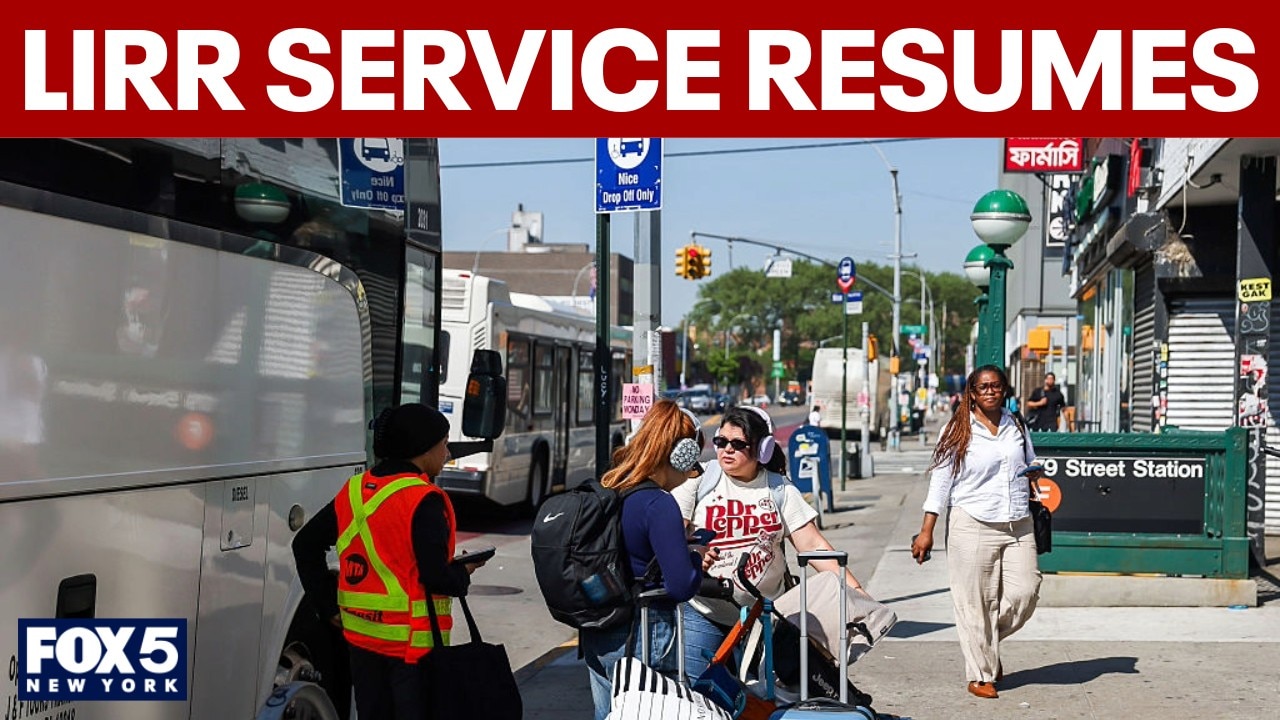
A tentative deal ended the 3-day Long Island Rail Road strike that had shut down service and affected nearly 300,000 daily riders. Limited hourly service is set to resume at noon Tuesday on four branches, with full systemwide service expected by 4 p.m., and the MTA plans prorated refunds for business days impacted by the shutdown. The agreement appears to avoid additional fare pressure or budget strain, removing a near-term disruption for commuters and local transit operations.
The immediate market read is not on the strike resolution itself, but on the reversal of a near-term demand shock into a normalization event. For MTA, the key second-order effect is that weekday revenue leakage from discretionary riders and avoided trips should snap back quickly, while the political cost of fare pressure has been reduced by pushing the wage settlement into a non-event for commuters. That lowers the probability of a broader labor contagion across other transit or municipal bargaining units in the next few months, because the state just demonstrated it will lean toward a backstop solution when commuter disruption becomes visible.
Operationally, the biggest loser during the outage was not transit itself but the urban friction economy: taxis, rideshare, parking operators, and some Manhattan retail/service demand benefited temporarily from forced substitution, and those gains should unwind over days rather than weeks. The more durable winner is suburban productivity: if the commute normalizes by the evening rush, the market should expect only a small, transient hit to regional labor attendance rather than a structural change in commuting behavior. That matters for office-linked landlords and rail-dependent suburbs, because the episode likely reinforced the value of redundancy rather than causing permanent mode-shift.
The contrarian angle is that the settlement removes a tail risk premium from the region faster than consensus may assume, so any post-headline complacency around MTA fiscal pressure could be premature. If labor costs were genuinely pushed higher without an offset, the real bearish catalyst would show up later via state subsidy needs, fare discussions, or deferred capital spending, not in today’s tape. The cleanest trading implication is that the disruption trade is probably over by the next session, while the budgetary debate becomes the slower-moving setup to fade on any rally in transit-linked assets.
From a risk perspective, the main reversal is ratification failure or delayed implementation, but that is a days-to-1 week issue, not a months-long bearish thesis. The more important 1-3 month catalyst is whether the state signals a funding bridge that keeps commuter fares stable; if not, investors should expect renewed pressure on the MTA’s operating outlook and political scrutiny around subsidy allocations.
AI-powered research, real-time alerts, and portfolio analytics for institutional investors.
Request DemoOverall Sentiment
mildly positive
Sentiment Score
0.35
Ticker Sentiment
