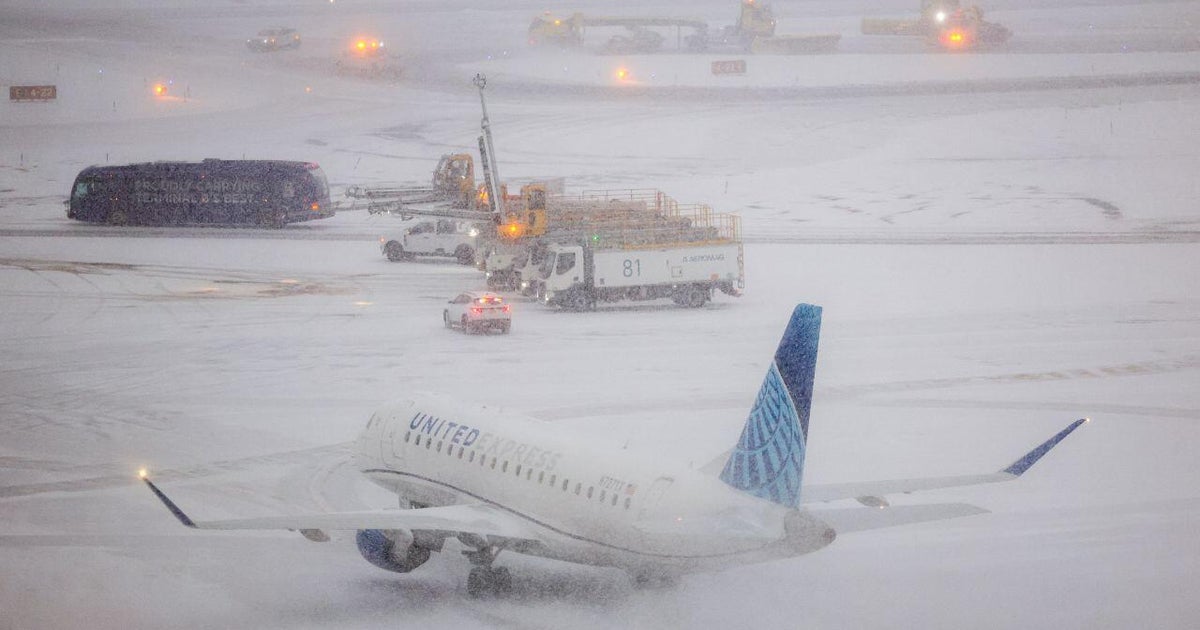
LaGuardia Airport was shut down Sunday just after 1 p.m. due to a major snowstorm and was not expected to reopen until at least 8 p.m.; at the time of closure more than 90% of LaGuardia's flights had been canceled. The storm forced suspension of regional transit (NJ Transit, NYC Ferry) and contributed to over 2,700 cancellations across the three major NYC-area airports and more than 10,000 U.S. cancellations on Sunday—the most in a single day since the start of the pandemic—creating short-term operational and revenue disruption risks for airlines and regional travel-related businesses.
Market structure: Immediate winners are owners of re-accommodation channels (large network carriers with diversified hubs like DAL, UAL) and short-term ground/hotel alternatives that can capture stranded passengers; losers are low-margin ULCCs (SAVE, ULCC peers), airport concessionaires, and regional operators with limited liquidity. Snow closures create a temporary supply shock (capacity down >90% at LGA; >10,000 U.S. flights canceled day-of) that lifts last‑available fares on unaffected routes and spikes short-dated booking/rebooking costs for carriers and OTAs.
Risk assessment: Tail risks include prolonged multi-day closures cascading into material quarterly revenue misses, class-action litigation for refunds, or FAA operational directives raising OPEX; probability low but impact can be >5–10% of quarterly operating income for exposed carriers. Immediate impact (days) is cash refunds and reroute costs; short-term (weeks) is higher customer acquisition and rescheduling costs; long-term (quarters/years) is potential insurance/policy and schedule redesign increasing unit costs by an estimated 1–3% if frequency of severe storms rises.
Trade implications: Expect equity weakness and IV spike in airline names today—tradeable window: buy quality network carriers on >4–8% intraday declines (mean reversion 2–6 weeks) and short smaller carriers that lack balance sheet flexibility. Use 30–45 day calls on DAL/UAL if IV normalizes post-panic; sell very short-dated straddles on deep liquid names if IV >30% above 60‑day average and hedge deltas.
Contrarian angles: Consensus will overweight headline cancellations; markets often over-penalize large, resilient carriers for short disruptions—historical storms show 5–15% rebounds in 2–4 weeks. Watch for mispricing in JETS ETF and airline options IV; unintended consequence: persistent volatility creates opportunities to systematically sell rebooking/revenue shock hedges and buy upright names on pullbacks.
AI-powered research, real-time alerts, and portfolio analytics for institutional investors.
Request DemoOverall Sentiment
mildly negative
Sentiment Score
-0.25
