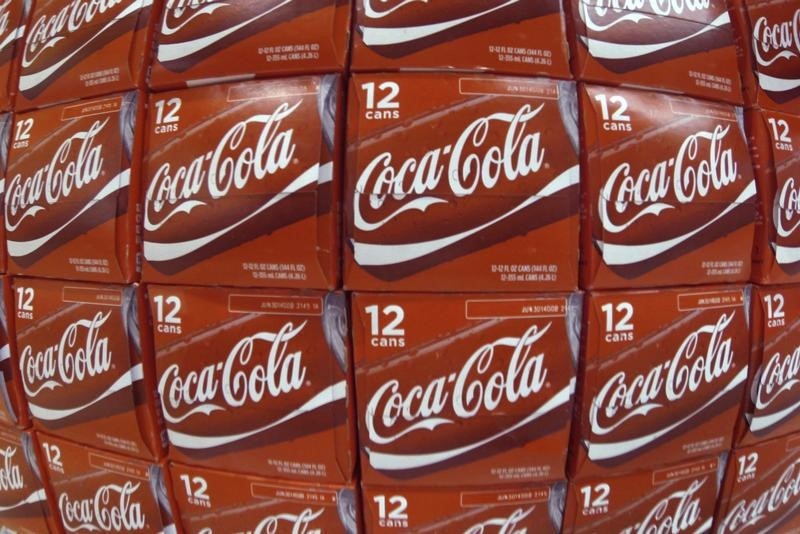
Jefferies trimmed its Coca-Cola price target to $88 from $90 while keeping a Buy; the stock trades at $76.06 (~12% implied upside) and peers Piper Sandler and BofA have $87–$88 targets. InvestingPro flags the shares as overvalued and Jefferies cited input-cost inflation and Middle East geopolitical risks, but still expects ~4–5% organic sales growth and potential 6–7% 2026 EPS guidance. Corporate positives include a 55-year consecutive dividend raise streak, Sprite returning as the NBA global soft drink partner, and a planned leadership change: Henrique Braun to become CEO on March 31, 2026 with James Quincey moving to Executive Chairman.
Coca-Cola’s franchise benefits from pricing power and high gross margins, which create a natural buffer against short-term input inflation, but that buffer works with a lag: pricing cadence, channel mix (on-premise vs retail), and promotional behavior determine whether margin compression shows up in next-quarter results or is drawn out over several quarters. A sustained strong U.S. dollar materially depresses reported EPS via translation and weakens the benefit of overseas price increases; a 5-10% swing in the dollar typically moves reported EPS by multiple percentage points for global consumer staples, so FX is a near-term earnings lever to watch independent of operations.
Geopolitical flare-ups that raise freight, insurance and energy costs have an outsized second-order effect on beverage COGS — higher tanker/road freight boosts PET/aluminum and concentrate logistics, and reduced tourism/on-premise demand shifts mix toward lower-margin channels. These mechanics mean a short spike in energy (days–weeks) will show up as input cost noise, while a prolonged shock (months) forces deeper promotion, slowed price pass-through and measurable EPS downside.
The management transition reduces execution uncertainty but could nudge capital allocation and promotional aggressiveness — changes that take quarters to show up in margins and organic growth. Key catalysts: FX stabilization, commodity deflation and channel mix normalizing (3–12 months) are bullish; rapid consumer trade-down or a prolonged geopolitical shock (days→months) are the primary reversal risks.
AI-powered research, real-time alerts, and portfolio analytics for institutional investors.
Overall Sentiment
mildly positive
Sentiment Score
0.15
Ticker Sentiment
